Precision Antimicrobial Therapy Emerges to Safeguard Oral Microbiome While Eradicating Periodontal Pathogens.
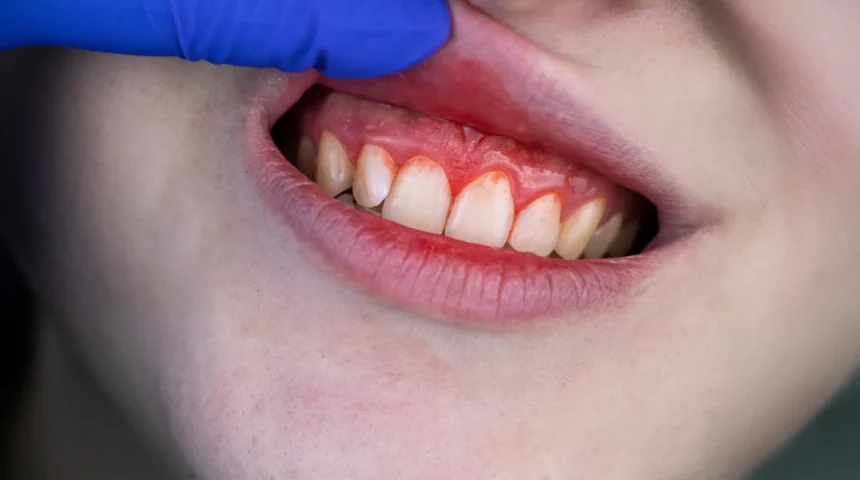
A groundbreaking therapeutic strategy has been unveiled by Japanese scientists, offering a paradigm shift in the management of periodontal disease by meticulously targeting detrimental oral bacteria while leaving beneficial microbial populations intact. This novel approach diverges significantly from conventional interventions that often indiscriminately decimate both pathogenic and commensal microorganisms, thereby disrupting the intricate oral ecosystem. The developed therapy is specifically engineered to identify and neutralize the microbial culprits responsible for gum recession and the progressive degradation of tooth-supporting bone.
Researchers affiliated with Nagoya University are at the forefront of this innovation, which harnesses the synergistic capabilities of antibodies derived from egg yolks and the targeted application of near-infrared light. Initial investigations conducted on human cell cultures and preclinical models in mice have yielded encouraging evidence, suggesting this method represents a more refined and selective means of combating periodontitis, a severe inflammatory condition of the gums that can ultimately result in tooth loss. The seminal findings of this research have been formally documented and published in the esteemed Journal of Translational Medicine.
The human oral cavity is a thriving microcosm, characterized by a diverse and complex community of microorganisms, many of which are integral to maintaining optimal oral health. Pathological conditions, such as gum disease, typically arise when specific strains of harmful bacteria proliferate unchecked, thereby upsetting this delicate microbial equilibrium. Among these troublesome bacteria, Porphyromonas gingivalis (P. gingivalis) stands out, classified by the scientific community as a keystone pathogen. This designation signifies its disproportionately influential role within the surrounding microbial milieu, even when present in relatively low quantities. Through its capacity to instigate chronic inflammation and destabilize the natural balance of oral flora, P. gingivalis contributes significantly to the destruction of the alveolar bone that anchors the teeth.
Historically, the therapeutic landscape for periodontitis has largely centered on the eradication of the bacteria implicated in the infection. However, a critical limitation of many existing antimicrobial treatments lies in their lack of specificity; they often fail to differentiate between virulent pathogens and the beneficial microbes that are essential for a healthy oral environment. Kazuhide Sato, a co-corresponding author of the study and a lecturer at Nagoya University, articulated this challenge, stating, "Current treatments for periodontitis, including antibiotics and antimicrobial photodynamic therapy (aPDT), eliminate both pathogenic and beneficial oral bacteria." He further elaborated on the detrimental consequences of these broad-spectrum approaches: "These approaches often disrupt the entire oral microbial ecosystem and can also release lipopolysaccharide (LPS), an endotoxin that may exacerbate inflammation." The uncontrolled release of LPS, a component of the outer membrane of Gram-negative bacteria, is known to trigger robust inflammatory responses, potentially worsening the very condition it aims to treat.
In a strategic pivot to circumvent the shortcomings of existing therapies, the research consortium at Nagoya University drew inspiration from a technology originally conceived for oncological applications. This innovative methodology, known as near-infrared photoimmunotherapy, employs antibodies meticulously conjugated with a photosensitive dye. These antibody-dye complexes are designed to recognize and bind exclusively to specific molecular targets. Upon successful attachment to the designated target, the application of near-infrared light initiates a photochemical reaction, activating the dye and ultimately eliciting a localized cytotoxic effect.
The research team ingeniously adapted this cancer-fighting paradigm to specifically target P. gingivalis while minimizing collateral damage to other oral bacterial species. Their innovative strategy hinges on the utilization of IgY, a class of antibodies readily obtainable from the egg yolks of hens that have been deliberately immunized against the target pathogen. A significant practical advantage of employing egg yolk antibodies is their inherent scalability and cost-effectiveness; they can be produced in substantial quantities at a relatively low manufacturing cost. This characteristic positions them as a highly attractive option for the development of targeted therapeutic agents that are both accessible and amenable to widespread deployment.
The synthesized technology, christened near-infrared photo-antibacterial targeting therapy (NIR-PAT²), is the product of collaborative efforts within the Nagoya University Graduate School of Medicine. The principal investigators contributing to this project include lead author Hiroshi Maruyama, Professor Hideharu Hibi, and the co-corresponding authors, Sato and Kiyoshi Sakai. To rigorously assess the efficacy of this novel treatment in eradicating pathogenic bacteria while preserving host tissues, the researchers subjected it to evaluation in both human cell culture models and murine models of periodontitis. Furthermore, a comparative analysis was conducted to contrast its effects with those of established antimicrobial therapies.
Laboratory investigations provided compelling evidence of the targeted binding of the antibody-dye complex exclusively to P. gingivalis. Crucially, other bacterial species resident in the oral environment, as well as healthy human gingival cells, remained unaffected by this initial binding process. Subsequent exposure of the targeted bacteria to near-infrared light triggered the activation of the conjugated dye. This photochemical activation resulted in the generation of reactive oxygen species, which subsequently inflicted damage upon the bacterial cell membranes, ultimately leading to cell death.
Microscopic examination revealed a nuanced distinction between the mechanism of action of this novel technique and conventional antimicrobial photodynamic therapies. Bacteria subjected to the new treatment exhibited the formation of minute pores in their cell membranes, but their overall structural integrity was largely preserved. In stark contrast, conventional antimicrobial photodynamic therapy induced a more destructive process, causing the bacterial cells to fragment and disintegrate entirely. This difference is of considerable clinical significance, as the complete lysis of bacterial cells can lead to the release of inflammatory mediators, thereby potentially exacerbating the inflammatory cascade. By preserving the structural integrity of the targeted bacteria, even after rendering them non-viable, this new approach may mitigate such undesirable inflammatory sequelae.
The researchers also meticulously evaluated the impact of the treatments on healthy human gingival cells. Their targeted therapy demonstrated a complete absence of detectable cytotoxicity towards these cells. Conversely, conventional antimicrobial photodynamic therapy was observed to induce cellular damage and demonstrably impede the healing process in these vital connective tissues.
The team then proceeded to investigate whether the promising outcomes observed in laboratory settings would translate into tangible improvements in the management of periodontitis. In a murine model of the disease, the experimental therapy was found to significantly attenuate the loss of alveolar bone, the specialized bone tissue that encases and supports the teeth. The preservation of this critical bone structure is paramount, as advanced periodontitis can lead to progressive tooth mobility and, ultimately, tooth exfoliation.
Further analysis of saliva samples collected from the treated animals yielded another highly encouraging finding. The treatment effectively reduced the abundance of P. gingivalis while simultaneously preserving beneficial commensal bacteria, such as certain species of Streptococcus. This selective action contributed to the restoration of a healthier microbial balance within the oral cavity. In direct contrast, conventional antibiotics and antimicrobial photodynamic therapy, in the same experimental setup, indiscriminately eliminated both pathogenic and beneficial bacteria, leading to a more widespread and disruptive alteration of the oral microbial community. Sato reiterated the significance of these findings: "Results demonstrated that, unlike antibiotics or standard light therapy, this approach selectively removes the primary pathogenic species while preserving the remainder of the oral bacterial community." Collectively, these experimental results strongly suggest that the precise targeting of individual disease-causing bacteria holds the potential to effectively control gum disease while circumventing some of the unintended detrimental consequences associated with broad-spectrum antimicrobial interventions.
While acknowledging the promising nature of these preliminary findings, the researchers are keenly aware of the inherent complexity of periodontitis, which often involves the interplay of multiple bacterial species. Consequently, the exclusive elimination of P. gingivalis may not prove sufficient for the comprehensive management of all cases of the disease. To address this challenge, the research team intends to leverage the power of artificial intelligence (AI) to analyze extensive publicly available datasets pertaining to oral bacteria. By identifying other critical microorganisms and elucidating the intricate interspecies interactions within the oral microbiome, they aspire to uncover additional therapeutic targets for the development of future treatments.
Moreover, the potential implications of this research extend beyond the realm of oral health. Periodontitis has been increasingly recognized for its association with a range of systemic medical conditions, including rheumatoid arthritis and diabetes mellitus. A deeper understanding of the intricate relationships between oral bacteria and these systemic diseases could pave the way for the identification of patient subgroups who are most likely to benefit from specific therapeutic interventions. AI-driven analysis is anticipated to play a pivotal role in guiding these diagnostic and therapeutic decisions, fostering the development of more personalized and effective approaches to gum disease management. For the present, this innovative therapy remains in its experimental phase, with its efficacy validated through laboratory studies and preclinical animal models, rather than extensive human clinical trials. Nevertheless, these compelling findings illuminate a potential future where the treatment of gum disease involves the judicious removal of harmful bacteria, rather than the disruptive obliteration of the entire microbial ecosystem that underpins oral health.

Related News