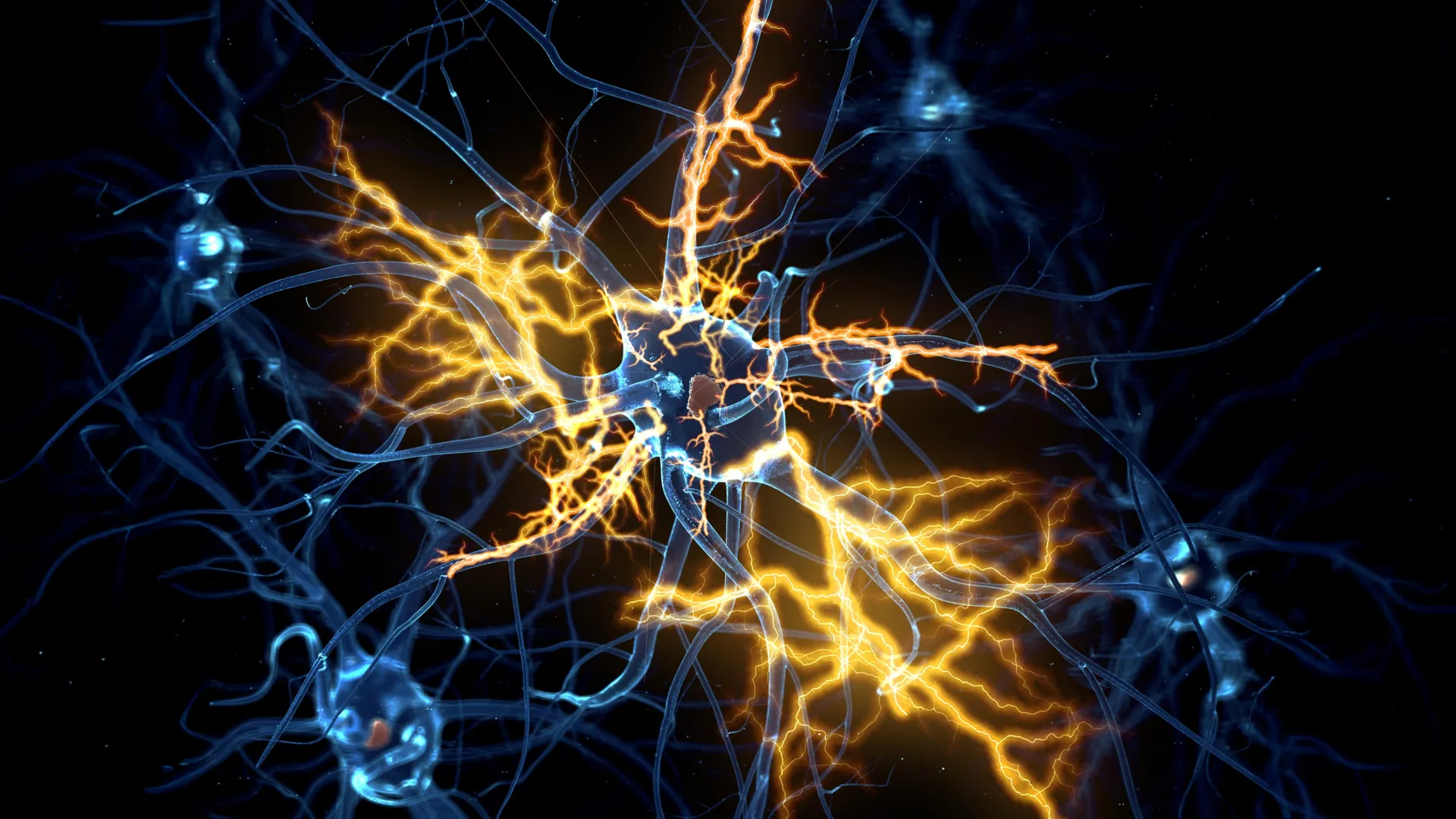
A significant advancement in understanding the intricate biological processes that impede nerve self-repair has been unveiled by a team of investigators at the Icahn School of Medicine at Mount Sinai. Their groundbreaking research, detailed in the esteemed scientific journal Nature, pinpoints a specific molecular mechanism that actively restricts the capacity of injured neurons to regrow severed or damaged axonal projections. The implications of this discovery are profound, suggesting that the targeted inhibition of a protein known as the aryl hydrocarbon receptor (AHR) could potentially unlock new avenues for promoting nerve regeneration and significantly improving functional recovery following damage to the peripheral nervous system or the central nervous system, particularly the spinal cord.
Axons, the long, thread-like extensions emanating from nerve cells (neurons), serve as the critical conduits for transmitting electrochemical signals throughout the body’s complex communication network, encompassing both the central and peripheral nervous systems. The efficacy of these vital fibers in relaying information underpins virtually all bodily functions, from motor control to sensory perception. Consequently, when these crucial axonal connections are compromised or severed, the capacity for recovery hinges almost entirely on the neuron’s ability to effectively reconstruct these damaged pathways. For decades, a fundamental enigma has plagued neuroscientists: the remarkably limited regenerative potential observed in the nervous systems of adult mammals. This inherent constraint means that injuries to nerves, and especially the spinal cord, often result in debilitating and enduring deficits in motor function and sensory awareness, frequently leading to permanent disability. Deciphering the underlying biological barriers that prevent more robust axonal regrowth has thus represented a paramount challenge in the field of neuroscience.
The latest research from Mount Sinai introduces the aryl hydrocarbon receptor (AHR) as a key molecular player, acting as a crucial regulator that dictates how neurons respond to the cellular stress and damage consequent to injury. Dr. Hongyan Zou, a distinguished Professor of Neurosurgery and Neuroscience at the Icahn School of Medicine at Mount Sinai and the senior author of the study, elucidated this central finding. "When neurons sustain injury," Dr. Zou explained, "they are confronted with a dual imperative: to effectively manage the resultant cellular stress while simultaneously attempting to initiate the complex process of axonal regeneration." The research team’s discovery reveals that AHR functions akin to a molecular "brake," effectively redirecting the neuron’s cellular machinery away from the energy-intensive task of rebuilding damaged connections and towards a more immediate focus on stress management and survival.
Through a series of meticulous experiments, the researchers observed that the sustained activity of AHR actively suppresses the genetic programs and cellular processes necessary for axonal growth. Conversely, when they engineered neurons to lack AHR, or employed pharmacological agents designed to inhibit its activity, a marked improvement in the regeneration of damaged axonal fibers was observed. These findings were further validated in preclinical animal models. In mouse models subjected to induced peripheral nerve damage and spinal cord injury, the suppression of AHR activity not only facilitated more successful axonal regrowth but also correlated with a notable restoration of motor function and sensory perception.
The investigation delved deeper to elucidate the biological rationale behind AHR’s inhibitory role, uncovering what appears to be a fundamental evolutionary tradeoff between cellular survival and regenerative capacity. Following an injury event, the presence and activation of AHR are shown to bolster a critical protective cellular response. This response is primarily geared towards maintaining protein homeostasis, a sophisticated cellular quality control system known as proteostasis. By supporting this system, AHR helps injured neurons to better withstand the acute cellular insults and metabolic derangements associated with trauma. However, this protective mechanism comes at a cost: it simultaneously curtails the synthesis of new proteins, a prerequisite for the intricate construction and extension of axonal structures.
In the absence of AHR’s active signaling, neurons appear to undergo a fundamental shift in their cellular priorities. They begin to upregulate the production of new proteins, activating cellular pathways that are intrinsically linked to growth and axonal regeneration. This shift in cellular strategy, the researchers discovered, is also influenced by another critical cellular factor, HIF-1α (hypoxia-inducible factor 1-alpha). HIF-1α plays a pivotal role in regulating genes involved in cellular metabolism and the complex processes of tissue repair, suggesting a coordinated molecular interplay that governs the neuron’s response to injury. Dr. Zou further elaborated on this delicate balance, stating, "This discovery illuminates how neurons strategically employ AHR to mediate a critical equilibrium between immediate survival and long-term regeneration. By effectively releasing this molecular brake, we can effectively guide neurons into a physiological state that prioritizes and facilitates repair."
Perhaps one of the most intriguing aspects of this discovery is the revelation of an unexpected role for AHR, a receptor initially identified for its function as a cellular sensor for environmental toxins and foreign chemical compounds, often referred to as xenobiotics. The latest findings expand our understanding of AHR’s purview, demonstrating that its influence extends far beyond environmental sensing. Within the intricate environment of a neuron, AHR appears to act as a critical nexus, integrating signals from the surrounding cellular milieu with the fundamental intracellular processes that ultimately determine whether damaged axons possess the capacity to regenerate.
The potential therapeutic ramifications of this research are substantial and warrant significant exploration. Notably, a number of pharmaceutical agents designed to inhibit AHR are already progressing through various stages of clinical trials for unrelated medical conditions. This existing pipeline of AHR-inhibiting drugs raises the tantalizing prospect that similar compounds could, in the future, be investigated and potentially repurposed as therapeutic interventions for individuals suffering from injuries affecting peripheral nerves or the spinal cord.
While this discovery represents a significant leap forward, it is crucial to acknowledge that the research remains in its nascent stages. Extensive further investigation will be indispensable before any clinical application involving AHR modulation can be considered for patient treatment. Future research endeavors will focus on rigorously evaluating the efficacy of AHR inhibitors across a diverse spectrum of neural injury types. Additionally, studies will aim to precisely identify optimal treatment windows and dosages, and critically examine the broader impact of AHR suppression on other cellular populations integral to the complex injury and repair cascade. The Mount Sinai research team is also committed to exploring novel therapeutic modalities, including the development of specific AHR-blocking drugs and the implementation of gene-therapy approaches designed to selectively reduce AHR activity within neurons. Their ultimate objective is to ascertain whether these advanced strategies can further amplify axonal regeneration and lead to more profound improvements in functional recovery following devastating neurological conditions such as spinal cord injury, stroke, and other neurodegenerative diseases.
About the Author