For generations, the prevailing narrative surrounding weight management has emphasized personal resolve, framing successful fat reduction as a simple equation of caloric restriction coupled with increased physical exertion. However, contemporary scientific inquiry has begun to dismantle this long-held assumption, revealing a far more intricate biological reality at play. Our evolutionary past, stretching back hundreds of thousands of years, profoundly influences our present-day struggles with maintaining a reduced body mass. Early human survival was intrinsically linked to the ability to efficiently store and conserve energy. Consequently, the human physiology developed sophisticated internal safeguards, deeply embedded within our neural architecture, to protect vital energy reserves. These adaptive mechanisms, honed in environments characterized by unpredictable food availability and the necessity of physical mobility, now present significant challenges in an era of unprecedented food abundance and widespread sedentary lifestyles.
The process of weight reduction, from a biological perspective, is often interpreted by the body as an existential threat. This triggers a cascade of physiological responses designed to counteract the perceived deficit. A surge in hunger-stimulating hormones, an amplified craving for energy-dense foods, and a significant reduction in metabolic rate are all part of this intricate defense system. These adaptations, which were crucial for ensuring survival through periods of scarcity, now contribute to the difficulty of achieving and sustaining weight loss in modern society. Our contemporary environment, replete with readily accessible, high-calorie processed foods and a general decline in physical activity, inadvertently activates these ancient survival mechanisms, leading to unintended consequences.
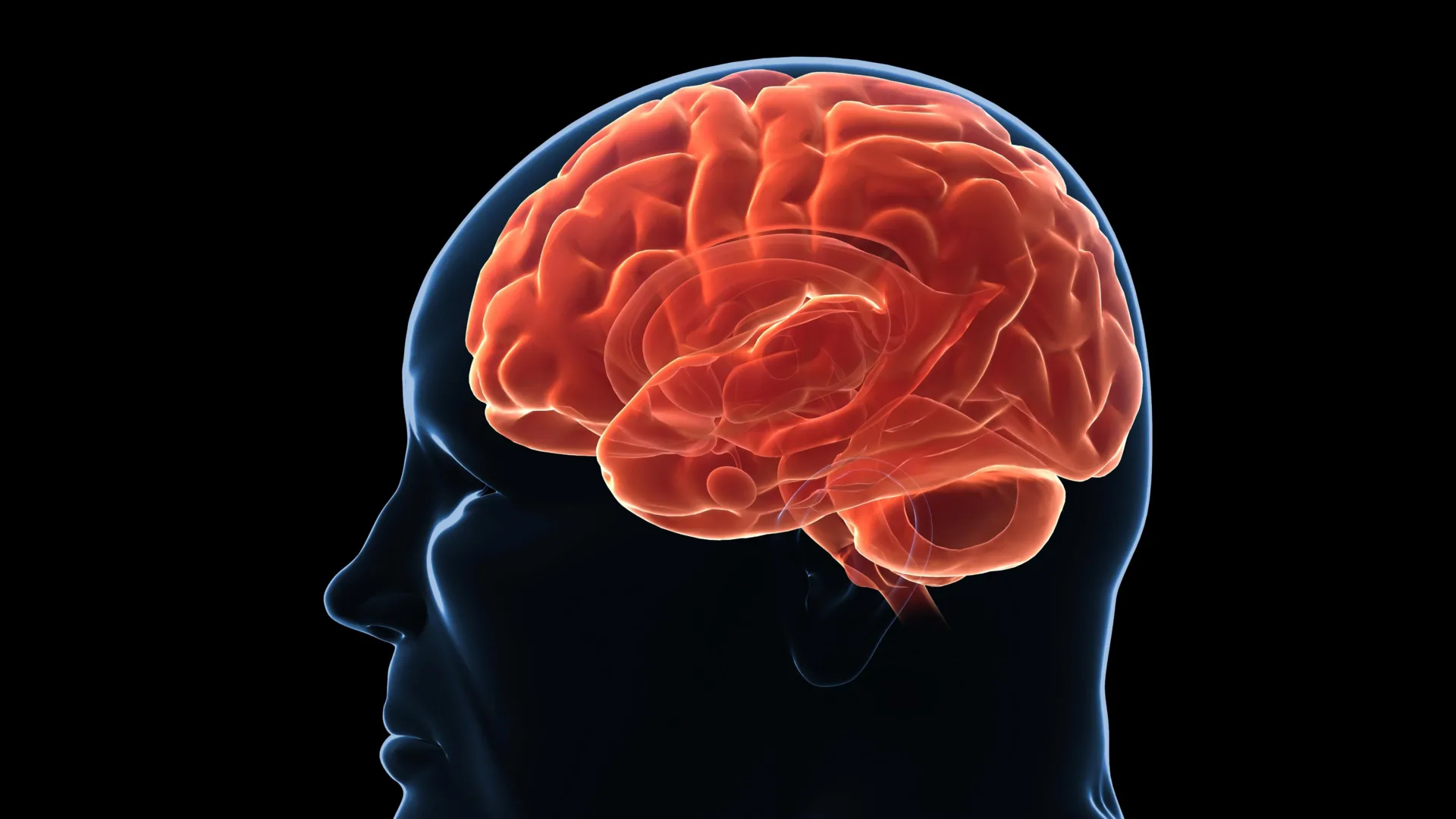
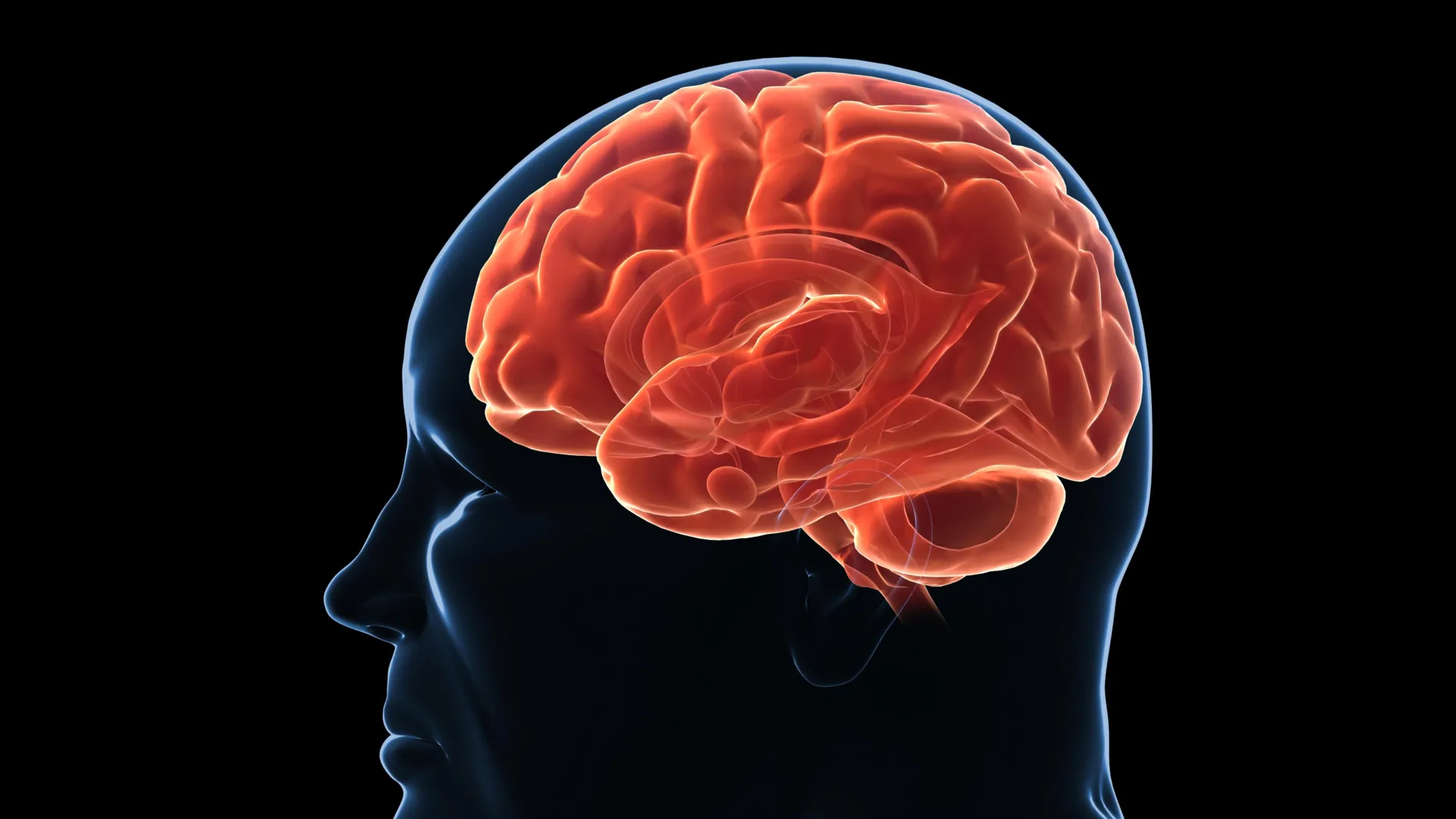
Recent scientific investigations underscore the brain’s powerful role in actively defending a particular body weight. This suggests that our brains possess a remarkable capacity to "remember" previous body mass levels. For our ancient ancestors, this meant that following periods of hardship that led to weight loss, their bodies were equipped to efficiently regain that lost mass when more favorable conditions arose. In the context of modern human physiology, this same mechanism means that the brain and body tend to perceive any acquired excess weight as a new baseline, a state that it then actively works to preserve. This inherent biological tendency to defend a previously established higher weight is a significant factor in explaining the common experience of weight regain following dieting efforts. It is not a reflection of individual willpower but rather a testament to the body’s evolutionary programming to protect against perceived threats, in this case, weight loss.
The advent of pharmacological interventions, such as specific weight-loss medications, has introduced a novel dimension to addressing obesity. These treatments often function by emulating the action of naturally occurring gut hormones that signal satiety to the brain, thereby suppressing appetite. While these medications have demonstrated considerable efficacy for many individuals, their application is not universally straightforward. A subset of patients may experience adverse effects that complicate adherence, while others may find that the drugs do not yield the desired weight reduction outcomes. Furthermore, a common challenge is the potential for weight regain once the therapeutic intervention ceases, as the body’s fundamental biological programming reasserts itself. Ongoing research into the complexities of obesity and metabolism holds promise for the development of future therapies capable of modulating these signals that drive the body back to its pre-treatment weight, potentially offering more sustained results.
Beyond pharmaceutical avenues, emerging research is broadening our understanding of health, suggesting that optimal well-being is not solely defined by a specific number on the scale. Positive lifestyle choices, encompassing adequate sleep, balanced nutrition, regular physical activity, and robust mental health, can significantly enhance cardiovascular and metabolic health, even in the absence of substantial weight reduction. This paradigm shift encourages a more holistic approach to health, recognizing that improvements in various physiological markers can occur independently of significant changes in body mass.
Addressing the multifaceted issue of obesity necessitates a comprehensive, societal-level strategy that tackles its underlying causes. Evidence suggests that a range of preventative measures could prove impactful. These include initiatives such as enhancing the nutritional quality of school meals, curtailing the aggressive marketing of unhealthy foods to children, urban planning that prioritizes pedestrian and cycling infrastructure over vehicular dominance, and the implementation of standardized portion sizes in food establishments.
Scientists are also focusing considerable attention on critical developmental periods, particularly from gestation through early childhood (approximately age seven), during which a child’s weight regulation systems are exceptionally susceptible to influence. Research has indicated that factors such as parental dietary habits, infant feeding practices, and the establishment of early lifestyle routines can profoundly shape the brain’s long-term control over appetite and fat storage.
For individuals seeking to manage their weight, the focus is increasingly shifting away from restrictive, short-term diets towards the cultivation of sustainable habits that promote overall health. Prioritizing sufficient sleep, for instance, plays a vital role in appetite regulation, while consistent engagement in physical activity, even moderate forms like walking, can positively impact blood sugar levels and cardiovascular function.
Ultimately, obesity should not be viewed as a personal failing but rather as a complex biological condition influenced by a confluence of genetic predispositions, neurological processes, and environmental factors. The advancements in neuroscience and pharmacology are continuously expanding the therapeutic landscape, while proactive prevention strategies offer the potential to reshape health outcomes for future generations. Therefore, individuals who have experienced challenges in losing or maintaining weight should recognize that these struggles are not indicative of a lack of discipline but are rooted in intricate biological mechanisms. While the brain presents a formidable challenge in this regard, ongoing scientific discoveries, medical innovations, and the implementation of informed public policies are gradually altering the framework within which weight management is understood and addressed.
About the Author