
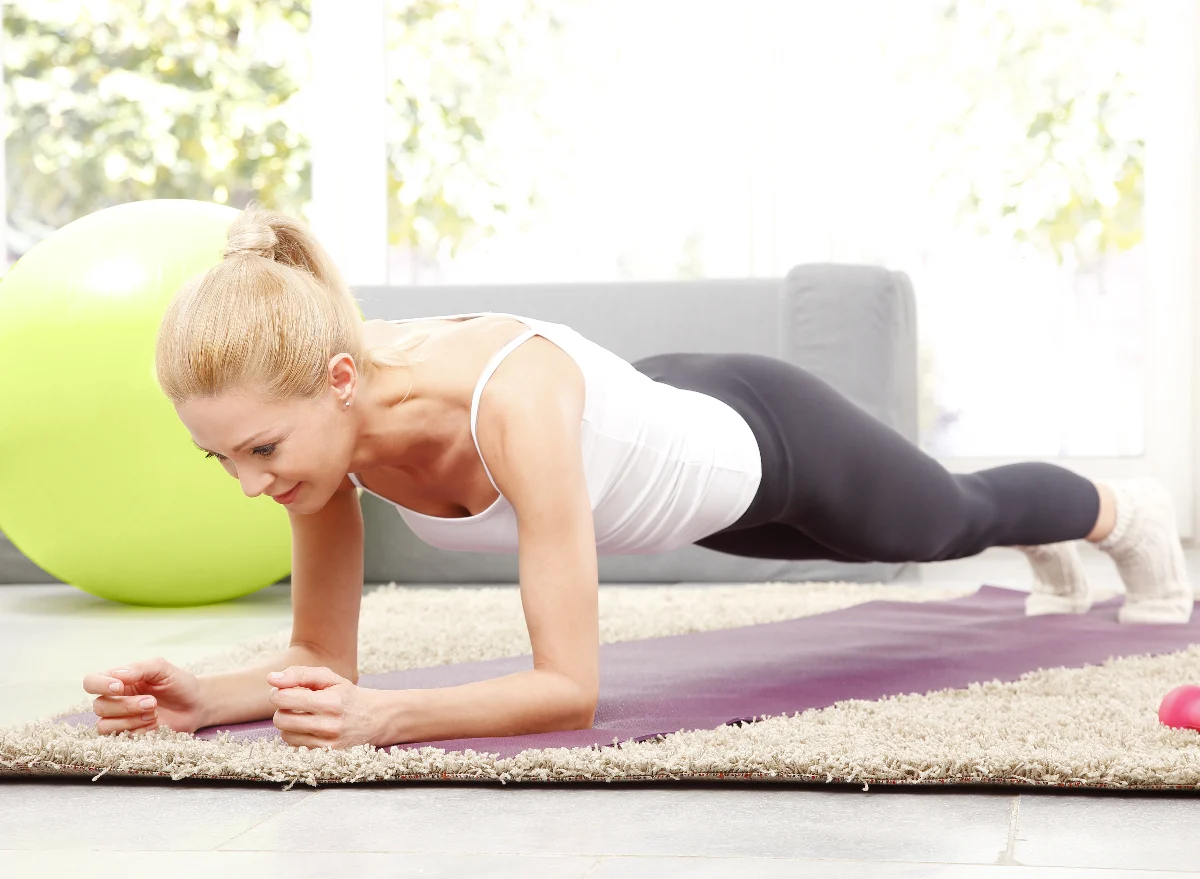
Maintaining robust physical capabilities becomes increasingly important as individuals progress beyond their sixth decade, directly influencing independence and overall quality of life. Among the myriad exercises designed to bolster physical fitness, the plank stands out as an exceptionally effective and accessible assessment tool for evaluating an individual’s core strength and endurance. Unlike more isolated abdominal exercises, the plank provides a comprehensive snapshot of the entire stabilizing musculature that underpins functional movement and balance, making it particularly relevant for older adults. Its ability to engage a broad spectrum of muscles simultaneously offers a holistic measure of deep core resilience, a quality that is paramount for healthy aging.
The human core extends far beyond the superficial abdominal muscles often targeted by traditional crunches. It encompasses a complex network of muscles including the transverse abdominis, rectus abdominis, internal and external obliques, the erector spinae along the back, and the deep multifidus muscles of the spine, alongside contributions from the glutes, hip flexors, and shoulder girdle stabilizers. This intricate muscular corset plays a pivotal role in nearly every physical action, from the simplest daily tasks like walking, reaching, or bending, to preventing falls—a significant concern for the elderly population. Scientific literature consistently highlights that core endurance is a cornerstone of maintaining postural stability and preventing age-related declines in balance, thereby mitigating the risk of serious injuries.

As individuals age, physiological changes such as sarcopenia, the gradual loss of muscle mass and strength, can significantly diminish core stability. This reduction in foundational strength contributes to a compromised sense of balance and reduced confidence in movement, transforming once-effortless actions into potential hazards. A strong, resilient core acts as a natural protective mechanism for the lumbar spine, reducing susceptibility to lower back pain, a pervasive issue among older adults. By providing unwavering support to the torso, these muscles ensure efficient transfer of force throughout the body, optimize posture, and enhance proprioception—the body’s awareness of its position in space. Regular engagement of these core muscles through exercises like the plank is therefore not merely about physical strength, but about preserving functional independence and enhancing one’s capacity to navigate the world confidently and securely.
While numerous exercises claim to fortify the midsection, the isometric nature of the plank provides a distinct advantage, especially for an aging demographic. Unlike dynamic movements such as sit-ups or crunches, which involve repetitive flexion of the spine and primarily target the rectus abdominis, the plank demands a sustained, static contraction across the entire core. This sustained engagement cultivates endurance in the deep stabilizing muscles, which are often neglected but are critical for spinal health and injury prevention. Crunches, with their limited range of motion and potential for neck strain, offer a less comprehensive assessment and may even be contraindicated for some older individuals with pre-existing spinal conditions. The plank, conversely, encourages a neutral spine alignment, distributing tension evenly across the core and back, thus building practical strength without undue stress on joints or vertebrae.
For those keen to gauge their core prowess, the forearm plank presents a straightforward, equipment-free method. Certified personal trainer James Brady, associated with OriGym, suggests a significant benchmark for individuals over sixty. According to Brady, sustaining a strict forearm plank for approximately 60 seconds indicates an "excellent level of core endurance." He clarifies that this duration is not an official, universally mandated standard, but rather an aspirational goal reflecting substantial control across the abdominal region, back, hips, and shoulders. Achieving a minute-long hold with impeccable form signifies a robust core system, capable of supporting a wide range of daily activities and contributing meaningfully to fall prevention and overall physical resilience. This target underscores the importance of quality over mere duration, emphasizing that the integrity of the posture during the hold is paramount.
The efficacy of the plank is entirely dependent on its proper execution. A correctly performed plank involves maintaining a rigid, straight line from the crown of the head to the heels, ensuring that the hips are neither allowed to sag towards the floor nor pike upwards towards the ceiling. This alignment is critical for engaging the intended musculature effectively and preventing strain on the lower back or shoulders. To initiate the exercise, one typically begins by resting on the forearms and toes, with elbows positioned directly beneath the shoulders and hands extended forward or clasped. The gaze should be directed towards the floor to maintain a neutral cervical spine. Active engagement is key: consciously brace the abdominal muscles as if preparing for an impact, squeeze the glutes, and gently push the ground away with the forearms and feet to protract the shoulder blades slightly. Throughout the hold, consistent, controlled breathing is essential; individuals should avoid holding their breath, which can elevate blood pressure and disrupt muscle oxygenation. The moment this precise alignment can no longer be maintained—when the hips begin to drop or rise, or the lower back starts to arch—the exercise should be concluded. Prioritizing correct form over extending duration with compromised technique is a fundamental principle for maximizing benefits and minimizing injury risk.
Brady adamantly stresses the critical importance of maintaining impeccable technique throughout the plank. He advises against the temptation to extend a hold by sacrificing form, such as allowing the hips to sag or arching the lower back, stating that "a shorter, clean hold builds real strength and protects your back; a long, sagging one does neither." If proper alignment begins to falter after 30 seconds, for instance, it is more advantageous to cease the exercise at that point than to continue for an extended period with poor posture. Compromised form shifts the load away from the core muscles and onto less stable structures like the lumbar spine, potentially leading to discomfort or injury, especially for older adults. Therefore, the duration of the plank should always be secondary to the quality of its execution. For those new to planks or finding a full minute challenging, modifications exist, such as performing the plank with knees on the ground or against a wall, gradually progressing to the full forearm plank as strength improves. Conversely, advanced individuals can explore variations like single-arm or weighted planks to further challenge their core.
Embracing a consistent planking regimen—perhaps three to four times per week—yields profound dividends that extend well beyond the immediate satisfaction of achieving a longer hold. Regular practice not only strengthens the core but also reinforces the neural pathways responsible for muscular coordination and stability. Over time, individuals will observe significant improvements in their balance, posture, and overall body control. Reaching and sustaining the 60-second benchmark for a strict forearm plank places one in a commendable category for their age group, signifying a high degree of functional fitness. However, the true reward lies not in the number itself, but in the enhanced quality of life that a robust core provides. From reduced incidence of back pain and improved ease in performing daily activities to a bolstered sense of confidence and independence, the benefits are tangible and far-reaching. Starting where one is currently able, with a focus on meticulous form, and progressively increasing hold times, allows individuals to embark on a journey towards greater physical resilience and sustained well-being through their senior years. As with any new exercise program, consulting with a healthcare professional or a certified fitness expert is always recommended to ensure it aligns with individual health needs and capabilities.
About the Author










