
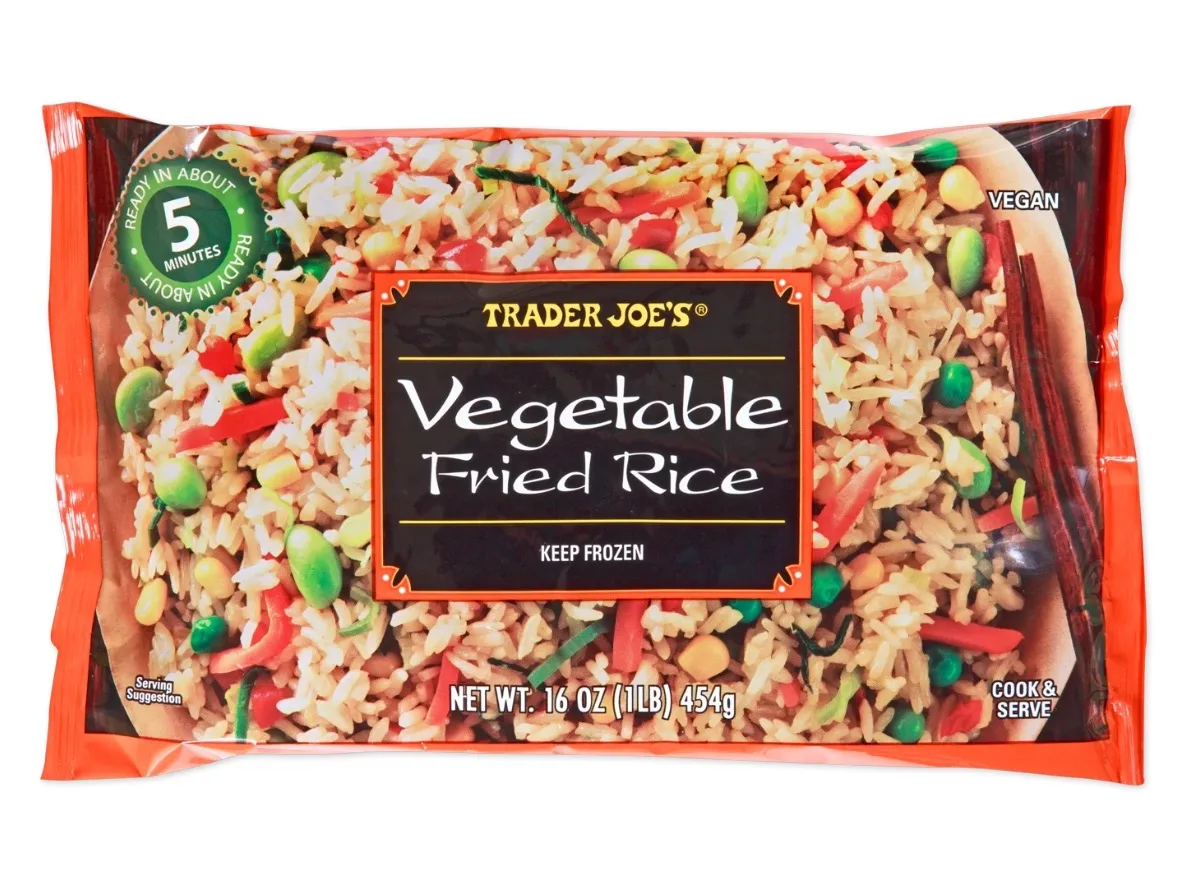
A significant and expanding food safety alert has been issued across the United States, prompting consumers to inspect their freezers for specific frozen food products manufactured by Ajinomoto Foods North America, Inc. The recall, which commenced in early March and has since broadened its scope, now encompasses nearly ten million pounds of various popular frozen entrees sold under prominent brand names, including Trader Joe’s, Kroger, Tai Pei, and the Ajinomoto label itself. The critical concern driving this widespread product withdrawal is the potential presence of foreign material, specifically glass fragments, within these items, posing a substantial physical hazard to consumers.
The initiation of this expansive recall stemmed from multiple reports from consumers who discovered glass pieces within the affected products. Upon thorough investigation, the manufacturer, Ajinomoto Foods, identified carrots as the likely source of the foreign material contamination. This revelation underscores the intricate challenges inherent in large-scale food production and the complex supply chains involved in sourcing ingredients. The presence of glass shards, varying in size from one to three centimeters in length and two to four millimeters in width, could lead to severe health consequences if ingested, including lacerations to the mouth, throat, or gastrointestinal tract, and potentially internal bleeding. While no confirmed reports of injuries or adverse reactions directly linked to this recall have been publicly disclosed, regulatory bodies and the manufacturers involved are taking stringent precautionary measures to safeguard public health.
The U.S. Department of Agriculture’s Food Safety and Inspection Service (FSIS) plays a pivotal role in overseeing the recall of meat, poultry, and egg products, while the Food and Drug Administration (FDA) monitors other food items. In this instance, as the recall involves products containing meat (chicken, pork) and vegetables, both agencies collaborate to ensure comprehensive public awareness and product removal. FSIS has expressed significant concern that a considerable quantity of the affected products might still be stored in consumers’ or retailers’ freezers, emphasizing the urgency for immediate action. This type of recall, where a physical hazard like glass could cause serious health problems, typically falls under a Class I designation, which signifies a high probability of adverse health consequences.
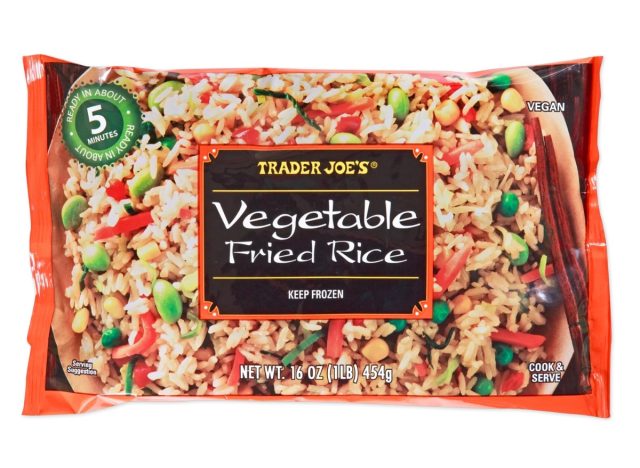
The sheer volume of products affected highlights the extensive reach of Ajinomoto Foods North America, Inc.’s manufacturing operations and its role as a key supplier for various grocery chains. Trader Joe’s, a popular specialty grocery retailer known for its unique private-label offerings, was among the first to announce the withdrawal of several of its frozen rice and dim sum items. A statement from Trader Joe’s affirmed their commitment to customer safety, indicating a proactive stance in addressing potential issues, aggressively investigating problems, and swiftly removing products from sale whenever there is any doubt regarding their safety or quality. This approach reflects an industry standard for responsible corporate conduct in the face of food safety concerns.
Consumers are strongly advised to meticulously check their freezers for any of the following items, paying close attention to brand names, product descriptions, and "Best By" dates, which are crucial for accurate identification:
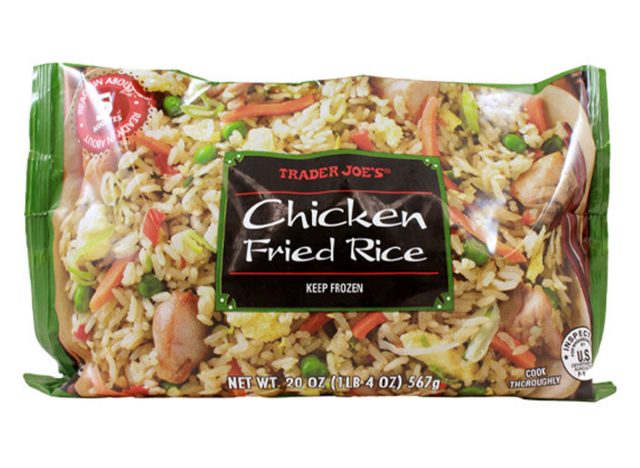
Trader Joe’s Brand Products Affected:
- Trader Joe’s Vegetable Fried Rice: This particular item accounts for a significant portion of the recalled volume, with almost 10 million pounds distributed across a vast majority of U.S. states. Consumers should look for "Best By Dates" ranging from 02/28/2026 through 11/19/2026. This product was distributed in Alaska, Alabama, Arkansas, Arizona, California, Colorado, Connecticut, Delaware, Florida, Georgia, Idaho, Illinois, Indiana, Kansas, Kentucky, Louisiana, Massachusetts, Maryland, Michigan, Minnesota, Missouri, Mississippi, Montana, North Carolina, North Dakota, Nebraska, New Hampshire, New Jersey, Nevada, New York, Ohio, Oklahoma, Oregon, Pennsylvania, Rhode Island, South Carolina, Tennessee, Texas, Utah, Virginia, Washington, Wisconsin, and Wyoming.
- Trader Joe’s Chicken Fried Rice: Affected "Best By Dates" for this product span from 03/04/2026 through 02/10/2027.
- Trader Joe’s Japanese Style Fried Rice: This item is impacted with "Best By Dates" between 02/28/2026 and 11/14/2026.
- Trader Joe’s Chicken Shu Mai: For this dim sum offering, the recall pertains to "Best By Dates" from 03/13/2026 through 10/23/2026.
Kroger Brand Products Affected:
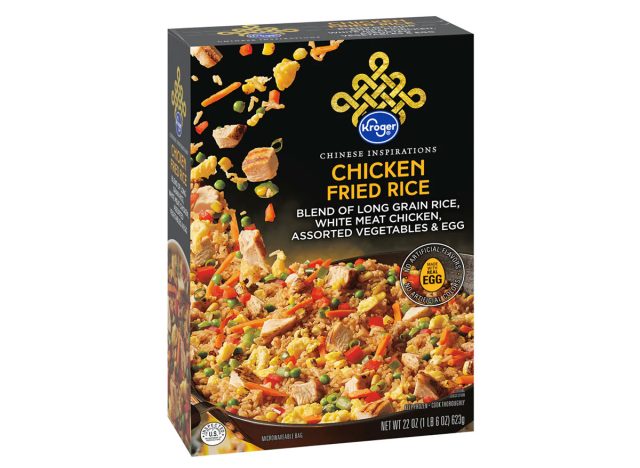
- Kroger Chicken Fried Rice (22 oz): Shoppers should check for UPC 11110-04161. All product codes purchased between March 10, 2025, and March 4, 2026, are subject to this recall.
- Kroger Vegetable Fried Rice (22 oz): This product carries UPC 11110-04162. All codes purchased between March 10, 2025, and March 4, 2026, are included in the recall.
Other Brands Affected:
- Tai Pei Chicken Fried Rice: This brand, also manufactured by Ajinomoto Foods, is part of the expanded recall due to potential glass contamination. Specific product codes for this item can be found on the detailed recall notices provided by FSIS.
- Ajinomoto Fried Rice Authentic Japanese Style: Products directly bearing the Ajinomoto label are also under recall. Consumers should refer to the official FSIS product list for specific codes and identifying information.
The process of managing food recalls is a multi-faceted endeavor, involving collaboration between manufacturers, distributors, retailers, and government agencies. When a problem is detected, typically through consumer complaints or internal quality control checks, the manufacturer is obligated to notify the relevant regulatory body. These agencies then assess the risk, classify the recall, and disseminate information to the public through various channels, including press releases, public service announcements, and online databases. Retailers are responsible for removing the products from their shelves and often for notifying customers who purchased the items, especially through loyalty programs.
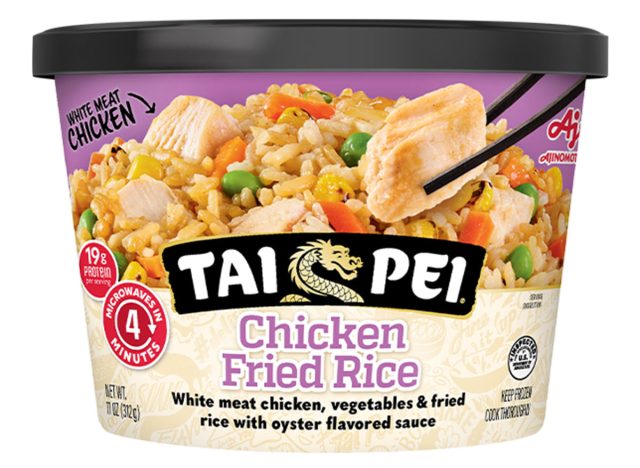
For consumers, the recommended course of action is unequivocal: do not consume any of the identified products. Even if the product appears visually normal, the risk of ingesting harmful foreign material remains. Instead, individuals who have purchased these items should immediately discard them in a manner that prevents further consumption, or return them to the place of purchase for a full refund. Retaining the packaging, including any labels with "Best By" dates or UPCs, can facilitate the return process. For the most current and comprehensive details, including specific product codes and visual aids, consumers are urged to consult the official websites of the FSIS (www.fsis.usda.gov/recalls-alerts) and the FDA (www.fda.gov/safety/recalls-market-withdrawals-safety-alerts), as well as the websites of Trader Joe’s and Kroger.
This incident serves as a stark reminder of the continuous vigilance required within the food industry to maintain safety standards and the importance of consumer awareness in protecting public health. While manufacturers strive for perfection in their processes, occasional lapses can occur, making robust recall systems and transparent communication essential for mitigating potential harm.
About the Author










