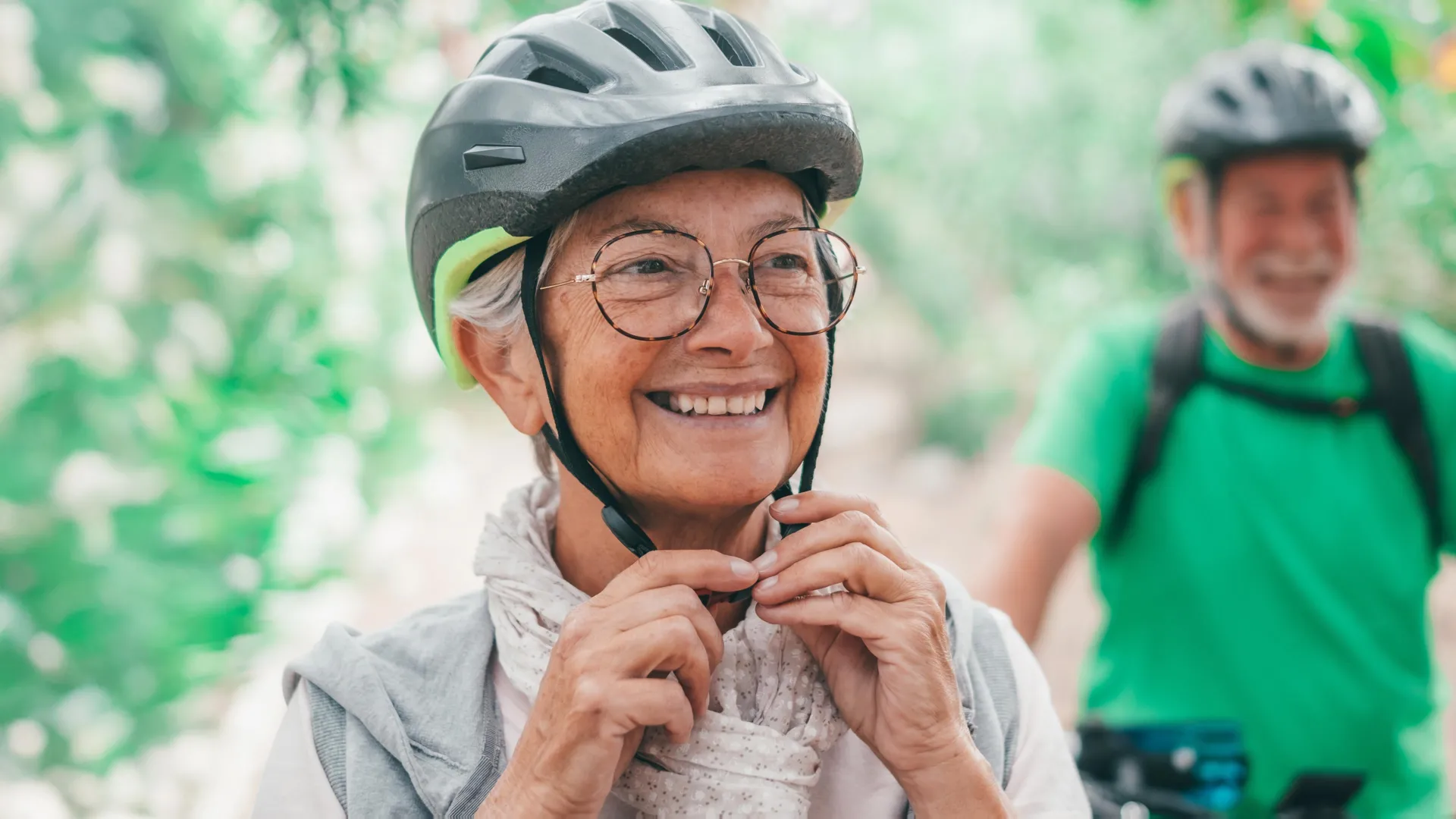
A recent comprehensive investigation has unveiled compelling evidence suggesting that the simple act of cycling can significantly contribute to enhanced longevity and sustained independence among Japan’s aging population. While the broader benefits of physical activity for older adults are well-documented, this research delves into the specific, long-term impacts of regular bicycle use in a demographic where cycling remains a more prevalent mode of daily transit than in many Western nations. The study’s findings underscore a notable reduction in the likelihood of requiring long-term care services and a decreased risk of mortality over a decade for those who incorporate cycling into their routines.
The research, conducted over a ten-year span from 2013 to 2023, meticulously tracked the health trajectories of a substantial cohort of older adults. A primary focus of the analysis involved examining baseline cycling habits in 2013 and subsequently observing participants for their need for extensive care or their passing by 2023. This longitudinal approach allowed researchers to establish a clear correlation between initial cycling engagement and subsequent health outcomes. Furthermore, the study incorporated a secondary, more granular examination of evolving cycling behaviors, categorizing participants into groups based on whether they ceased cycling, initiated the activity, interrupted it, or maintained it consistently between 2013 and 2017. This detailed observation of behavioral shifts provided deeper insights into the dynamic relationship between cycling engagement and health.
A particular emphasis was placed on understanding these effects within the subset of participants who had relinquished their driving privileges. This demographic is especially pertinent, given the increasing trend of older Japanese individuals surrendering their driver’s licenses due to age-related concerns or a desire for alternative, less demanding transportation. For this group, the study found that the protective benefits of cycling were even more pronounced, suggesting that it serves as a crucial compensatory mechanism for maintaining mobility and an active lifestyle in the absence of personal vehicle use.
The quantitative results of the study paint a clear picture of the protective advantages conferred by cycling. Older individuals who reported engaging in cycling in 2013 exhibited a statistically significant lower propensity to require long-term care services and a demonstrably reduced risk of mortality when compared to their non-cycling counterparts over the ensuing decade. This protective shield against adverse health outcomes was amplified for those who did not drive, indicating that for this particular segment of the senior population, cycling not only supports general well-being but also plays a critical role in preserving functional independence.
Delving deeper into the temporal aspects of cycling engagement, the second phase of the analysis highlighted the enduring advantages of consistent participation. Seniors who maintained their cycling habit throughout the 2013-2017 period demonstrated a sustained reduction in their risk of needing long-term care and their overall mortality risk in the subsequent years. The findings were particularly illuminating for non-drivers, who experienced even more widespread benefits. In this subgroup, individuals who either continued their cycling routine or began cycling during this observational window were found to be substantially less likely to require assisted living or other forms of long-term care in the future. This suggests that the initiation of cycling, even later in life, can yield significant positive health dividends.
Researchers conceptualize cycling not merely as a form of exercise but as a vital "lifestyle companion" for older adults. This framing emphasizes its multifaceted role in fostering both physical vitality and mental acuity, thereby contributing to a more robust and independent aging process. The implications are particularly profound for those who have transitioned away from driving, where cycling can fill a significant void in their daily routines, promoting social interaction and engagement with their communities. This resonates strongly within the Japanese context, where the aging demographic and the concurrent decline in driving rates create an urgent need for sustainable and accessible mobility solutions.
The study’s conclusions also point towards an imperative for enhanced societal support structures designed to encourage and facilitate cycling among the elderly. This could encompass initiatives such as the development of safer cycling infrastructure, community-based cycling programs tailored for seniors, and public awareness campaigns that highlight the health benefits and practical advantages of this mode of transportation. By fostering an environment that makes cycling more accessible and appealing, Japan can proactively address the challenges of an aging population, promoting healthier, more independent, and longer lives for its senior citizens. The research was made possible through the generous support of various foundations and grant-making bodies, including JSPS KAKENHI Grant-in-Aid for Young Scientists (B) (26750348), KEIRIN JKA (2023P-380), JST (JPMJPF1234), the Meiji Yasuda Life Foundation of Health and Welfare, and the Japan Sport Association, underscoring a collaborative effort to advance understanding in this critical area of public health.
About the Author