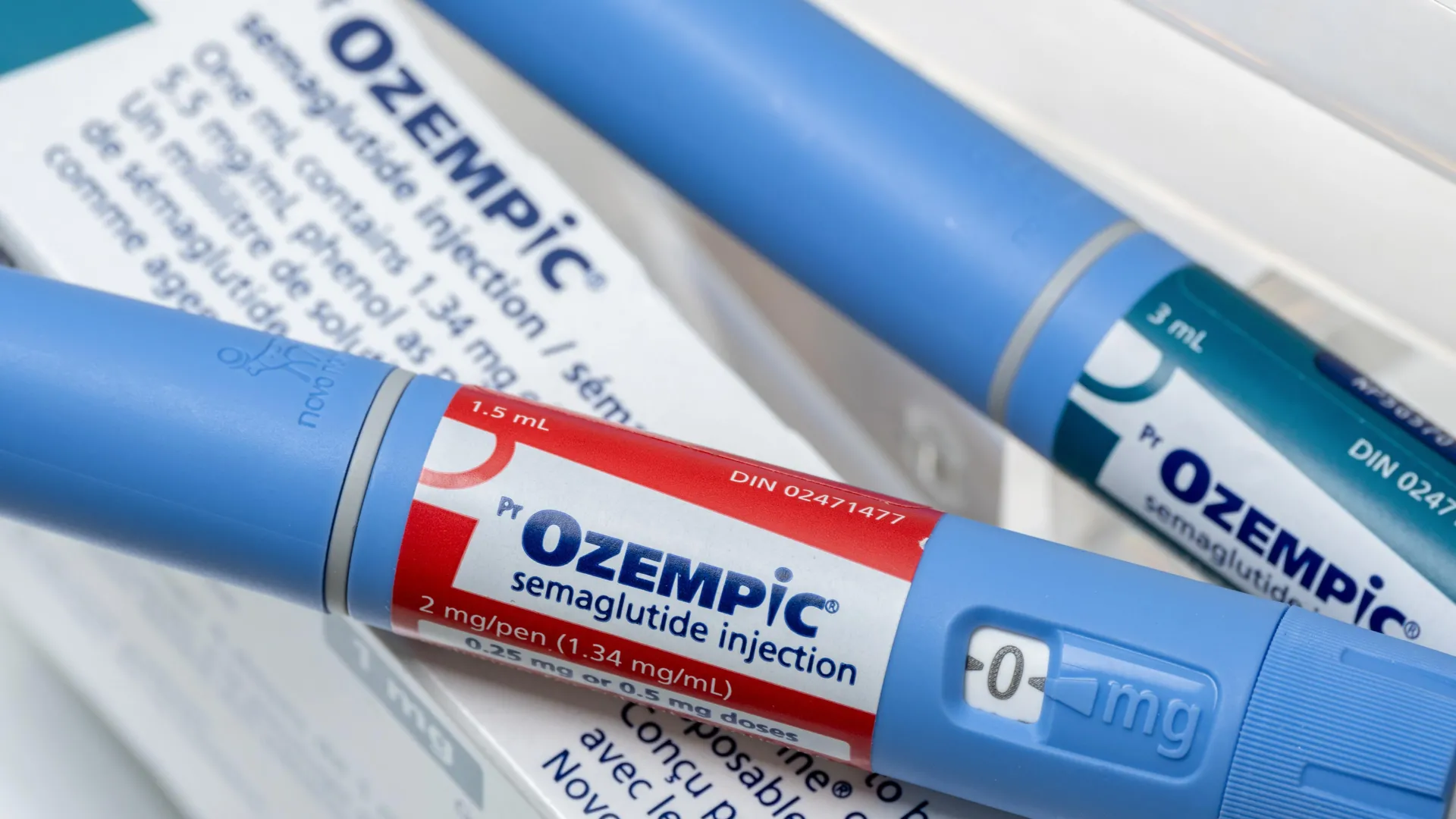
A groundbreaking investigation has unveiled a previously unrecognized therapeutic potential for a class of widely utilized medications, suggesting they could significantly enhance recovery outcomes following a myocardial infarction. These drugs, known as Glucagon-Like Peptide-1 (GLP-1) receptor agonists, which have gained prominence for their efficacy in managing type 2 diabetes and obesity, now appear to offer a novel mechanism for protecting the heart from enduring additional harm after a cardiac event. This significant finding, spearheaded by researchers from the University of Bristol and University College London (UCL), indicates that these pharmaceutical agents might play a crucial role in preventing severe adverse effects that afflict a substantial proportion of individuals recovering from a heart attack.
The research, recently detailed in the esteemed scientific journal Nature Communications, illuminates a pathway through which GLP-1 agonists could counteract a critical post-heart attack complication. For a significant number of patients—nearly half, in fact—the immediate aftermath of a heart attack involves a persistent issue where microscopic blood vessels within the heart muscle remain constricted, even after successful emergency procedures to clear the primary blocked coronary artery. This phenomenon, termed "no-reflow," significantly impedes the vital supply of oxygen-rich blood to already vulnerable heart tissue, thereby exacerbating damage and increasing the risk of dire long-term consequences, including heart failure and heightened mortality rates within a year of the initial event. The new study posits that GLP-1 analogues possess the capability to mitigate this specific problem, presenting a potentially life-altering intervention.
Understanding the complex cascade of events during a heart attack is essential to appreciating the significance of this discovery. A heart attack, or myocardial infarction, occurs when blood flow to a section of the heart muscle is abruptly cut off, typically by a blood clot in one of the coronary arteries. This deprivation of oxygen and nutrients, known as ischemia, leads to the rapid death of heart cells. Emergency medical interventions, such as angioplasty and stenting, are crucial for restoring blood flow to the affected area, a process called reperfusion. While these procedures are life-saving, reperfusion itself can sometimes paradoxically contribute to further injury, a phenomenon known as reperfusion injury. Moreover, the microcirculation—the network of tiny blood vessels that permeate the heart muscle—can suffer damage during both ischemia and reperfusion, leading to the "no-reflow" complication. This microvascular dysfunction is a major determinant of long-term cardiac function and patient prognosis.
Earlier clinical trials and observational studies had already hinted at the cardiovascular benefits of GLP-1 receptor agonists, independent of their primary effects on glucose control and weight reduction. These benefits included a reduced incidence of major adverse cardiovascular events (MACE) in patients with type 2 diabetes and established cardiovascular disease. However, the precise biological mechanisms underpinning these broad cardioprotective effects were not fully elucidated, particularly concerning direct microvascular interventions post-myocardial infarction. The current investigation sought to delve deeper into these physiological processes, specifically exploring how these medications interact with the delicate microvasculature of the heart.
Central to the study’s findings is the role of pericytes—small, contractile cells that envelop the capillaries and play a critical role in regulating microvascular blood flow. Previous research by the same team had demonstrated that during the early stages of ischemia, pericytes in the coronary capillaries contract, thereby constricting these tiny blood vessels. This contraction, while potentially a protective response in some contexts, contributes to the "no-reflow" phenomenon by preventing efficient blood distribution even after the main artery has been unblocked. The pivotal question for the present study was whether GLP-1 drugs could antagonize this pericyte-mediated constriction, thereby facilitating the reopening of these minute conduits.
Dr. Svetlana Mastitskaya, a Senior Lecturer in Cardiovascular Regenerative Medicine at Bristol Medical School: Translational Health Sciences (THS) and the lead author of this seminal work, elaborated on the clinical challenge: "In nearly half of all heart attack patients, the vital microvascular network within the cardiac muscle remains compromised, even following successful recanalization of the main coronary artery. This persistent impediment to blood flow, known as ‘no-reflow,’ critically impacts myocardial viability. Our prior investigations had firmly established that this microvascular narrowing is a primary driver of the ‘no-reflow’ complication, directly correlating with an elevated risk of subsequent mortality or hospital readmission due to heart failure within twelve months of the initial ischemic event. The most recent findings, however, present a compelling and somewhat unexpected revelation: GLP-1 drugs possess the capacity to preemptively avert this detrimental microvascular dysfunction."
To probe this hypothesis, the research team conducted a series of sophisticated experiments utilizing animal models of myocardial infarction. The results provided clear evidence that GLP-1 agonists significantly enhance blood flow within the heart muscle after an ischemic episode. The key to this improved perfusion lies in the medications’ ability to activate specific potassium channels located on the pericytes. Activation of these channels triggers a relaxation response in the pericytes, leading to the dilation of previously constricted capillaries. This relaxation effectively re-establishes the patency of these tiny vessels, allowing blood to reach areas of the heart tissue that were previously inaccessible, thereby curtailing the extent of further damage and promoting more effective recovery.
Professor David Attwell, Jodrell Professor of Physiology at UCL and a co-lead author of the study, highlighted the broader implications of these findings for clinical practice. "With an ever-expanding array of GLP-1-based therapeutic agents now integrated into clinical protocols for diverse conditions, ranging from type 2 diabetes and chronic kidney disease to obesity, our current observations underscore a significant potential for drug repurposing. These existing pharmaceutical compounds could be strategically redeployed to address the critical issue of ‘no-reflow’ in patients recovering from myocardial infarction, thereby offering a potentially life-saving adjunct to current treatment paradigms." The notion of repurposing existing drugs is particularly attractive in pharmacology, as these compounds have already undergone rigorous safety and efficacy testing, significantly accelerating their potential path to new clinical applications.
The implications of this research are profound for the future of cardiovascular medicine. While GLP-1 agonists have already revolutionized the management of metabolic disorders, their newly elucidated microvascular protective effects open up exciting avenues for improving patient outcomes after one of the most common and devastating cardiovascular events. The ability to mitigate "no-reflow" could translate into better preservation of heart muscle, reduced incidence of heart failure, and improved quality of life for millions of individuals worldwide.
Future research will undoubtedly focus on translating these promising preclinical findings into human clinical trials. Such studies would aim to confirm the efficacy and safety of GLP-1 agonists in preventing microvascular dysfunction and improving cardiac recovery in patients who have experienced a heart attack. If successful, these trials could lead to a paradigm shift in post-myocardial infarction care, adding a powerful new tool to the cardiologist’s arsenal. The ongoing commitment to understanding the intricate mechanisms of cardiac disease, as exemplified by this collaborative research, continues to pave the way for innovative therapeutic strategies that promise to alleviate human suffering and extend healthy lifespans. The British Heart Foundation provided crucial funding for Dr. Svetlana Mastitskaya’s research, underscoring the importance of investment in fundamental cardiovascular science.
About the Author