
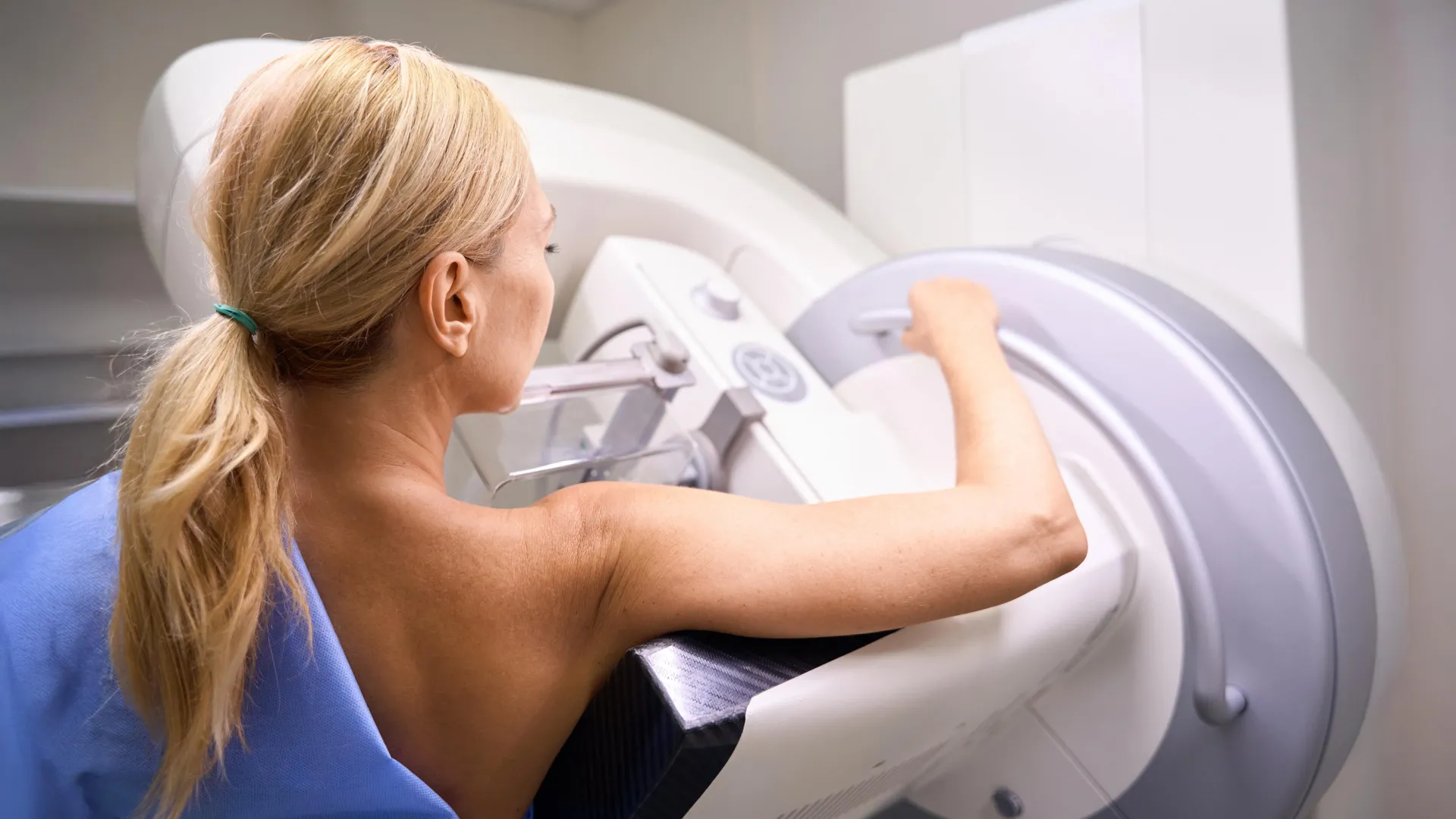
A comprehensive re-evaluation of decades of breast cancer screening research suggests that the phenomenon of overdiagnosis – the detection of cancers that would never have posed a threat to a woman’s life – may have been significantly overestimated in previous analyses, potentially leading to undue apprehension about the benefits of mammography. For many years, a substantial portion of the scientific discourse and public health recommendations surrounding population-wide breast cancer screening has been shaped by estimates suggesting that a considerable percentage of detected cancers, sometimes ranging from 30% to as high as 50%, were overdiagnosed. This new investigation, which meticulously synthesizes data from all major randomized controlled trials on mammography screening, alongside real-world data from Denmark, posits that the true extent of overdiagnosis is likely much lower, potentially under 5%.
The research team, comprising esteemed academics from the University of Southern Denmark, Lillebælt Hospital, and the University of Copenhagen, along with a senior epidemiologist from Queen Mary University of London, aimed to provide a more nuanced and accurate understanding of overdiagnosis. Professor Sisse Helle Njor of the University of Southern Denmark highlighted the critical need for this re-examination, stating, "The intention behind our study was to consolidate the evidence from every randomized controlled trial to achieve a clearer perspective on the prevalence of overdiagnosis in breast cancer screening." She further elaborated on the implications of their findings, noting, "Randomized trials have frequently been presented as definitive proof that overdiagnosis is a significant issue. Our research indicates that this interpretation is not as straightforward as it might initially appear."
Central to this revised understanding is a meticulous analysis of the temporal dynamics inherent in screening programs. When mammography screening is introduced into a population, an immediate surge in breast cancer diagnoses is typically observed. This initial spike is largely attributable to detecting cancers at an earlier stage than would have occurred organically. However, without accounting for the subsequent decline in diagnoses that should logically follow as these "time-shifted" cancers are identified, researchers might mistakenly attribute a portion of this early increase to overdiagnosis. This effect can be further compounded if individuals in control groups within trials later gain access to screening, blurring the lines between spontaneous diagnoses and those identified through screening.
The study employed a novel comparative approach, contrasting the patterns of breast cancer detection within the established randomized trials with the long-term data from Denmark’s organized screening programs. Denmark serves as a particularly valuable reference point due to a natural experiment where organized breast cancer screening was rolled out in different regions at staggered intervals, some 17 years apart. This temporal disparity allowed researchers to meticulously track how breast cancer diagnoses evolved immediately following the introduction of screening and how these patterns stabilized over extended periods.
Professor Emerita Elsebeth Lynge from the University of Copenhagen explained the significance of this temporal aspect: "When screening is implemented, the number of breast cancer diagnoses initially escalates because cancers are identified earlier than they would have been without the intervention. Over time, this should be succeeded by a decrease, as some of these cancers would have been diagnosed later in life otherwise. This pattern can also be influenced if individuals in either group continue to undergo screening after the trials have concluded, which was a common occurrence. If these factors are not adequately considered by researchers, the initial rise can be erroneously interpreted as overdiagnosis."
By aligning comparable time points in both the randomized trials and Denmark’s routine screening initiatives, the researchers were able to ascertain the similarity of diagnostic patterns. This congruence provides compelling evidence for a more tempered view of overdiagnosis. Matejka Rebolj, a Senior Epidemiologist at Queen Mary University of London, articulated this conclusion: "Collectively, we believe that some prior high estimates of overdiagnosis, which have influenced screening guidelines and public communication, were based on evidence gathered before trial data had fully matured. When interpreted within their complete temporal context, randomized trial data align with an overdiagnosis rate of less than five percent, rather than estimates approaching 50%."
The concept of overdiagnosis itself warrants careful consideration. It encompasses the detection of breast cancers that, had they not been identified by screening, would never have manifested symptoms or posed a threat to a woman’s lifespan. In such instances, the woman would remain unaware of the cancer’s existence. Furthermore, the definition can extend to women who succumb to other health conditions shortly after receiving a breast cancer diagnosis. In these scenarios, the diagnostic and subsequent treatment efforts may offer minimal benefit, as pre-existing health issues or a limited life expectancy would likely preclude the cancer from significantly impacting their overall longevity or quality of life.
The implications of this revised understanding are profound for individual decision-making regarding breast cancer screening. A clear grasp of both the substantial benefits and the nuanced risks is crucial for women as they consider their participation in screening programs. Professor Njor emphasized this point: "The majority of women will not develop breast cancer, but with the findings of this study, we can now offer reassurance that the advantages of early breast cancer detection and the prevention of premature mortality will outweigh the minimal risk of unnecessary treatment." She expressed hope that this research would furnish a framework for a more accurate interpretation of the existing evidence, thereby enabling more informed discussions with women invited for screening.
The study’s methodology involved a rigorous re-analysis of all eight pivotal randomized trials in the field of mammography screening. These included the New York Health Insurance Plan, Malmö, Two-County, Edinburgh, the Canadian National Breast Screening Study, Stockholm, Gothenburg, and UK Age trials. The researchers also incorporated data from two regional screening programs in Denmark, focusing on both invasive breast cancers and ductal carcinoma in situ (DCIS), a non-invasive form of breast cancer. A key aspect of their reassessment involved meticulously accounting for three critical factors that can skew overdiagnosis estimates: differences in screening exposure between trial arms, variations in the duration of follow-up periods, and the potential for individuals in control groups to subsequently undergo screening. By carefully adjusting for these variables, the research team arrived at their revised conclusion that overdiagnosis is likely substantially less prevalent than previously suggested. The study acknowledges financial support from the Novo Nordisk Foundation and Cancer Research UK.
About the Author












