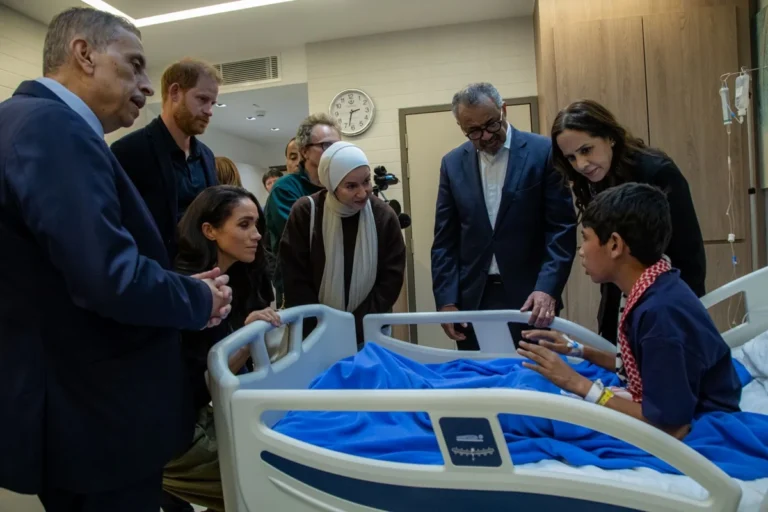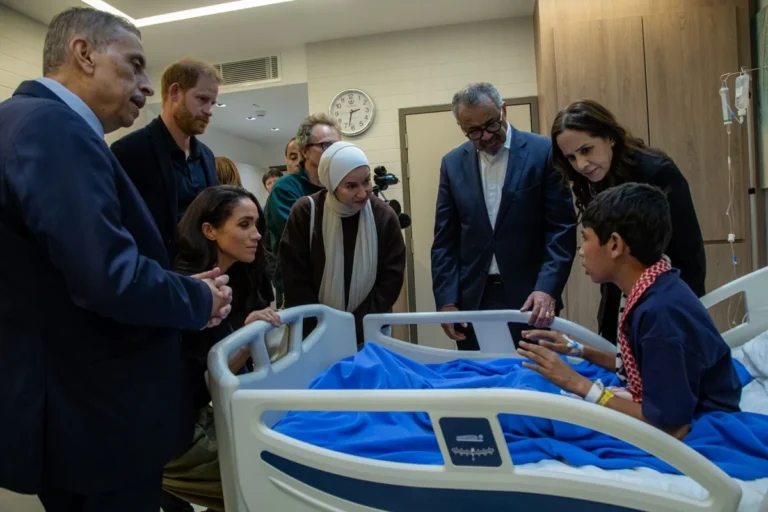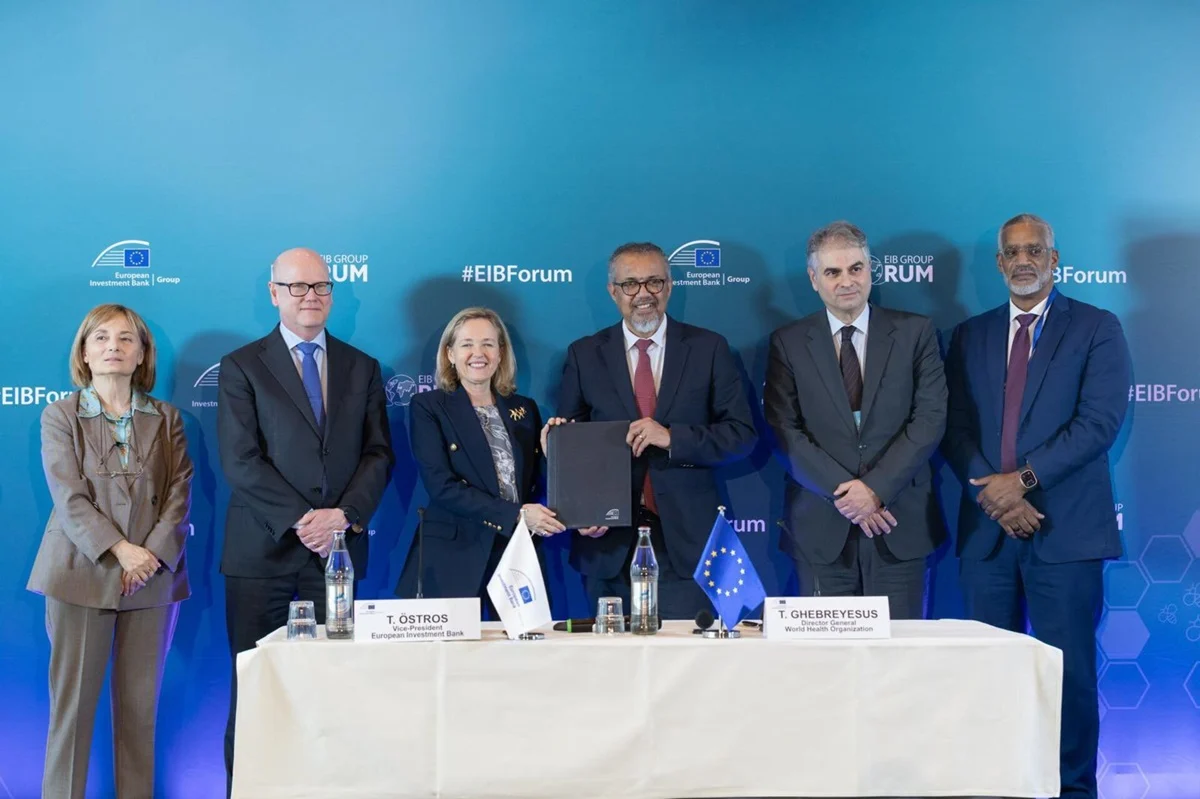
In a significant stride towards bolstering Lebanon’s beleaguered healthcare infrastructure, the European Investment Bank (EIB Global) and the World Health Organization (WHO) formalized a €10 million grant agreement on March 6, 2025. This pivotal accord, signed during the EIB Group Forum in Luxembourg by Dr. Tedros Adhanom Ghebreyesus, Director-General of the WHO, and Thomas Östros, Vice-President of EIB Global, is set to channel vital financial resources into two critical areas: the comprehensive rehabilitation of Lebanon’s Central Public Health Laboratory and the provision of essential medical support to over 50,000 individuals afflicted with chronic conditions such as diabetes, cardiovascular diseases, and cancer. The initiative represents a concerted international effort to mitigate the profound health crisis gripping the nation, offering a lifeline to a system teetering on the brink.
Lebanon’s healthcare sector has endured an unprecedented period of strain, exacerbated by a multifaceted economic collapse that began in 2019. The ensuing financial crisis, marked by drastic currency devaluation and a severe liquidity crunch, has crippled public services and profoundly impacted the nation’s ability to maintain essential medical provisions. Hospitals, once regional beacons of advanced care, now grapple with chronic shortages of critical medicines, medical equipment, and even basic supplies. The exodus of highly skilled medical professionals, driven by deteriorating working conditions and plummeting salaries, has further depleted an already overstretched workforce. Power outages, fuel scarcities, and the high cost of imported goods have rendered the operational environment for healthcare facilities increasingly untenable, pushing many to the verge of collapse. This grant, therefore, arrives at a moment of dire necessity, aiming to inject targeted support into areas that are foundational to national health security and the well-being of its most vulnerable citizens.
The revitalisation of the Central Public Health Laboratory stands as a cornerstone of this international intervention. A robust national laboratory system is indispensable for any nation’s public health defense, acting as the frontline in disease detection, surveillance, and outbreak response. In Lebanon, the existing infrastructure has suffered extensive degradation, compromising its capacity to perform critical functions. A fully operational central laboratory is paramount for accurately identifying infectious agents, monitoring epidemiological trends, and providing early warnings for potential public health emergencies, a capability that is particularly crucial in a region susceptible to various health threats. Beyond infectious diseases, the laboratory plays a vital role in quality assurance for pharmaceuticals, ensuring the safety and efficacy of medications distributed across the country. It also contributes to environmental health monitoring and food safety, underpinning broader public confidence and health standards. The grant will facilitate the necessary infrastructural repairs, procurement of state-of-the-art diagnostic equipment, and the implementation of modern operational protocols. Furthermore, it will support the training and retention of skilled laboratory personnel, ensuring that the facility is not only physically restored but also functionally robust and sustainable in the long term. This comprehensive overhaul is expected to significantly enhance Lebanon’s ability to monitor, detect, and respond to health threats, reinforcing national health resilience against future crises.
Equally critical is the commitment to bolstering healthcare support for the estimated 50,000 individuals living with chronic diseases. Conditions such as diabetes, cardiovascular ailments, and various forms of cancer demand continuous medical management, regular monitoring, and an uninterrupted supply of specialized medications. For these patients, the breakdown of the healthcare system has not merely been an inconvenience but a life-threatening crisis. Access to essential drugs has become sporadic and prohibitively expensive, leading to treatment interruptions that carry severe, often irreversible, health consequences. Many individuals have been forced to ration their medication, delay crucial diagnostic tests, or forgo necessary follow-up appointments, leading to exacerbated conditions, increased hospitalizations, and a tragic rise in preventable deaths. The €10 million grant specifically targets these vulnerabilities by ensuring a more consistent supply chain for vital pharmaceuticals. This support is designed to re-establish reliable access to necessary medications, thereby preventing deterioration in health conditions and improving the quality of life for these patients. The initiative will also likely encompass strengthening primary healthcare networks to facilitate regular check-ups and ongoing management, easing the burden on overburdened tertiary care facilities and ensuring a more holistic approach to chronic disease care. This focused intervention underscores a humanitarian imperative, recognizing that consistent care for chronic conditions is not a luxury but a fundamental human right, especially during times of crisis.
The partnership between EIB Global and the WHO in this endeavor exemplifies a synergistic approach to international development and humanitarian aid. EIB Global, as the arm of the European Investment Bank dedicated to operations outside the European Union, plays a crucial role in supporting sustainable development, economic resilience, and social infrastructure in partner countries. Its involvement reflects a broader European commitment to stability and prosperity in the Mediterranean region. Vice-President Thomas Östros emphasized the bank’s dedication to investing in critical social infrastructure, particularly in sectors like health, which are vital for human capital development and long-term societal stability. EIB Global’s financial leverage and expertise in project financing are instrumental in translating policy commitments into tangible on-the-ground improvements.
The World Health Organization, as the leading global authority on public health, brings unparalleled technical expertise, normative guidance, and operational experience to the collaboration. Under the leadership of Director-General Dr. Tedros Adhanom Ghebreyesus, the WHO has consistently advocated for universal health coverage and strengthened health systems, particularly in vulnerable contexts. Its role in this initiative extends beyond technical advice, encompassing oversight of project implementation, ensuring adherence to global health standards, and facilitating coordination with local health authorities. The WHO’s deep understanding of Lebanon’s health landscape and its established networks within the country are critical for the effective and equitable distribution of aid. The combined strengths of EIB Global’s financial capacity and the WHO’s public health acumen create a robust framework for addressing the complex challenges facing Lebanon’s health sector.
This grant is more than just a financial injection; it is a profound statement of international solidarity and a strategic investment in Lebanon’s future. By targeting foundational elements of the health system—the central laboratory for national health security and chronic disease care for vulnerable populations—the initiative aims to create a ripple effect of positive change. A strengthened public health laboratory will not only enhance Lebanon’s preparedness for future health crises but also restore public trust in national health institutions. Improved access to chronic disease management will alleviate immense suffering, reduce premature mortality, and allow individuals to lead more productive lives, contributing to the nation’s broader recovery efforts. This act of support underscores the interconnectedness of global health and the shared responsibility of the international community to assist nations facing severe humanitarian challenges. It signals hope for a population that has endured years of hardship, demonstrating that they are not forgotten.
While this €10 million grant represents a crucial and timely intervention, it is important to acknowledge that it forms part of a much larger and ongoing requirement for comprehensive recovery in Lebanon. The systemic issues plaguing the health sector, including governance challenges, deep-seated economic instability, and the need for long-term reform, necessitate sustained international engagement and domestic commitment. The effective utilization of these funds will require rigorous oversight, transparent accountability mechanisms, and close collaboration between international partners and Lebanese stakeholders. Future efforts will need to focus on building sustainable funding models, fostering an environment conducive to retaining medical talent, and implementing reforms that strengthen the overall resilience and equity of the health system.
In conclusion, the agreement between EIB Global and the WHO marks a pivotal moment in the ongoing efforts to support Lebanon’s shattered healthcare infrastructure. By strategically allocating resources to critical areas such as laboratory rehabilitation and chronic disease management, this grant promises to deliver tangible improvements to public health and alleviate the suffering of thousands. It stands as a testament to the power of international collaboration in addressing complex humanitarian crises, offering a beacon of hope and a vital step towards rebuilding a more resilient and equitable health system for the people of Lebanon.
About the Author