
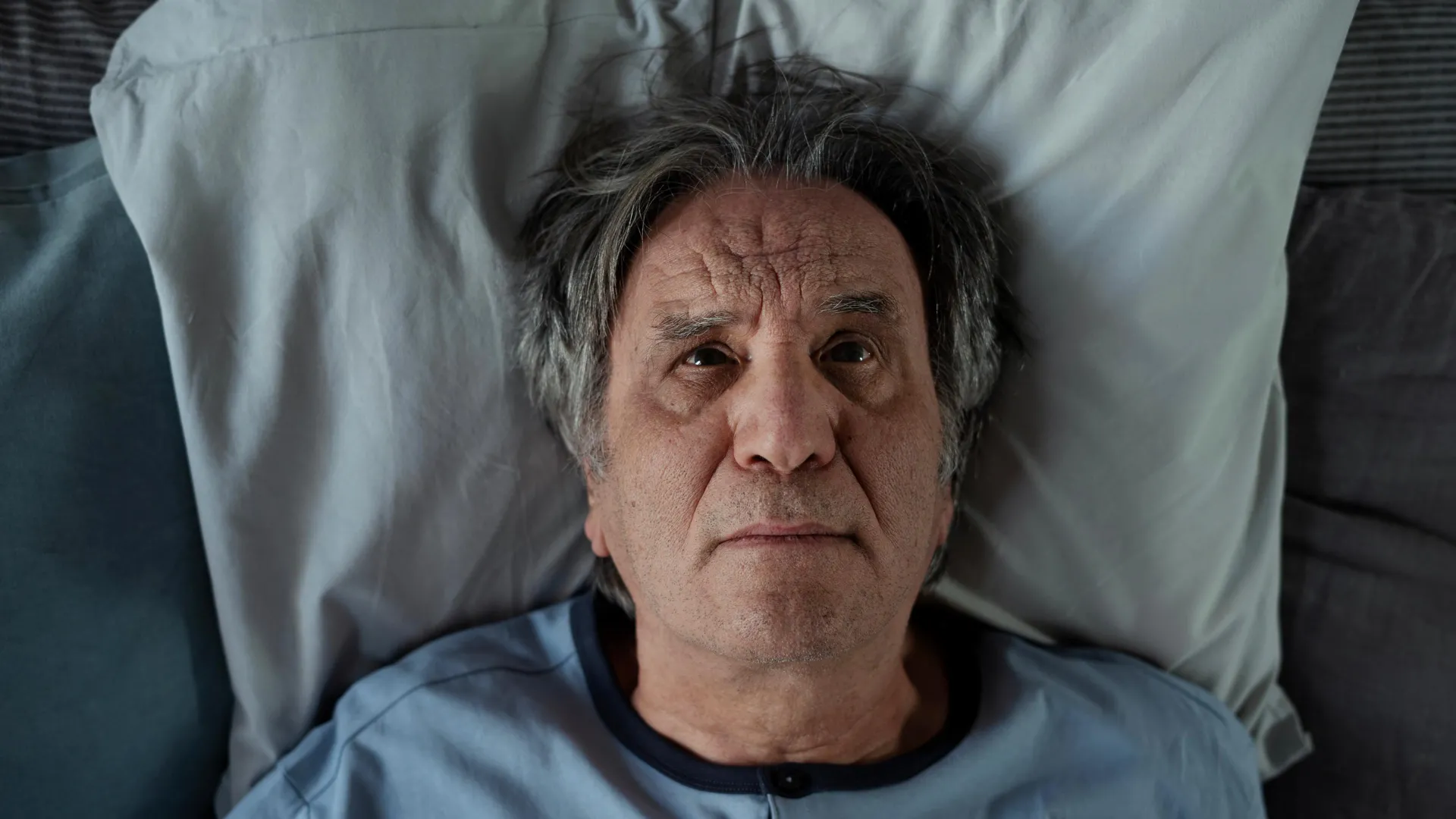
A comprehensive new analysis has illuminated a striking correlation between deviations from optimal sleep duration and an accelerated pace of biological aging across virtually all major organ systems within the human body. This extensive investigation, which examined a vast dataset from the UK Biobank, involved the development and application of sophisticated, organ-specific biological aging clocks, revealing that both chronically insufficient and excessively prolonged sleep patterns are intricately linked to a faster biological clock in the brain, heart, lungs, immune system, and other vital organs, while also being associated with a wider spectrum of disease pathologies.
"Previous scientific endeavors have consistently underscored the profound connection between sleep quality and the aging process, particularly concerning the pathological accumulation of changes within the brain," stated Junhao Wen, the lead investigator of this groundbreaking study and an assistant professor of radiology at Columbia University Vagelos College of Physicians and Surgeons. "Our research transcends these prior findings by demonstrating that both curtailed and extended sleep durations are implicated in the accelerated biological maturation of nearly every organ system. This strongly supports the hypothesis that sleep is a fundamental pillar in maintaining holistic organ health, operating within a complex, integrated brain-body network that governs metabolic equilibrium and the robust functioning of the immune system." The full findings of this pivotal research have been formally published in the esteemed scientific journal, Nature.
The scientific community’s increasing reliance on sophisticated "aging clocks" represents a significant advancement in our ability to quantify biological age, moving beyond mere chronological years to assess whether an individual’s body is aging at a faster or slower rate. These cutting-edge tools leverage the power of machine learning algorithms, analyzing a multitude of biological indicators – often derived from minimally invasive procedures such as blood tests that identify specific protein profiles – to discern complex patterns indicative of aging. While many existing aging clocks provide a generalized assessment of the entire body’s biological age, it is increasingly recognized that different organs can exhibit distinct aging trajectories. A well-established illustration of this phenomenon is the decline in ovarian function, a key determinant of the biological clock associated with female reproductive capacity.
Recognizing the limitations of a singular, global measure, Wen and his team have dedicated their efforts to developing advanced aging clocks that are specifically tailored to individual organs. This innovative approach aims to furnish a more granular and potentially more personalized understanding of an individual’s physiological health status. "The development of these aging clocks has generated considerable excitement within the scientific community, owing to their remarkable capacity to predict disease risk and mortality," Wen elaborated. "However, for me, a more compelling question arises: can we effectively link these biological aging metrics to modifiable lifestyle factors that, if addressed in a timely manner, could potentially decelerate the aging process?"
The quest to identify such a modifiable factor led the researchers to focus on sleep, a physiological process with a well-documented, substantial impact on overall health. Furthermore, Wen admitted to a personal motivation for exploring this area, stating, "As an individual who experiences light sleep, I harbored concerns regarding its potential physiological consequences." To construct their sophisticated aging clocks, the researchers harnessed a wealth of data from approximately half a million participants enrolled in the UK Biobank, a large-scale biomedical database. Employing advanced machine learning techniques, they meticulously identified distinct biological signatures associated with aging within various organs.
The creation of these organ-specific aging clocks involved the integration of diverse data types. This included quantitative measurements derived from medical imaging, analyses of proteins that are organ-specific in their function and prevalence, and the identification of various molecules present in the bloodstream. "For instance, concerning the liver, we have developed distinct aging clocks that utilize protein data, metabolic indicators, and imaging characteristics," Wen explained. "This multi-layered approach enables us to ascertain whether sleep duration exhibits a unique association with aging clocks derived from multiple ‘omics’ disciplines and molecular strata." Subsequently, the research team meticulously compared self-reported sleep durations of the UK Biobank participants with the biological age estimates generated by 23 distinct aging clocks, collectively representing 17 different organ systems.
The analysis yielded a clear and compelling "U-shaped" relationship across the entire spectrum of organ systems examined. Individuals who reported consistently sleeping less than six hours per night, as well as those who reported sleeping more than eight hours per night, exhibited a statistically significant tendency towards accelerated biological aging. Conversely, the lowest rates of biological aging were observed among individuals who reported sleeping within a narrower window, specifically between 6.4 and 7.8 hours on a daily basis. It is crucial to emphasize that these findings do not definitively establish a direct causal link whereby sleep duration alone dictates the rate of organ aging. Rather, the observed associations suggest that either insufficient or excessive sleep may serve as a potent indicator of underlying poorer health status across the entire body.
The research findings further underscore a profound and pervasive connection between sleep patterns, brain health, and the physiological well-being of the body as a whole. Insufficient sleep, defined as less than six hours per night, demonstrated a significant association with the occurrence of depressive episodes and anxiety disorders, findings that align with a substantial body of prior research linking sleep deprivation to adverse mental health outcomes. Moreover, short sleep duration was found to be correlated with a range of significant health conditions, including obesity, type 2 diabetes, hypertension, ischemic heart disease, and cardiac arrhythmias. Intriguingly, both short and long sleep durations were linked to chronic obstructive pulmonary disease (COPD) and asthma, as well as a variety of gastrointestinal disorders, such as gastritis and gastroesophageal reflux disease. "This pervasive brain-body pattern is of considerable importance, as it elucidates that sleep duration is not an isolated physiological phenomenon but rather a deeply integrated component of our entire biological architecture, with far-reaching implications that extend throughout the body," Wen commented.
The development of organ-specific aging clocks also holds immense promise for elucidating the complex mechanisms by which sleep influences the development of individual diseases. Wen and his colleagues specifically explored this potential by examining the relationship between sleep patterns and late-life depression. While the initial analysis could not definitively determine whether variations in sleep duration were a cause of late-life depression or if depression itself altered sleep habits, the team employed sophisticated "mediation analysis" to investigate whether biological aging might serve as a mediating factor in the observed relationship.
The results of this advanced analysis indicated that short sleep duration may be more directly implicated in the pathological burden associated with late-life depression. In contrast, prolonged sleep appeared to influence depression through biological pathways that are reflected in the aging clocks of the brain and adipose (fat) tissue. "This has significant implications for the future development of sleep management strategies and therapeutic interventions," Wen concluded. "Our study suggests that distinct biological pathways may exist between individuals who are short sleepers and those who are long sleepers, ultimately leading to the same outcome, late-life depression. Therefore, it is imperative that we avoid a one-size-fits-all approach and tailor interventions accordingly."
About the Author












