Pancreatic cancer stands as one of the most formidable adversaries in oncology, renowned for its aggressive nature, late-stage diagnosis, and devastatingly poor prognosis. Despite transformative advancements in cancer immunotherapy that have revolutionized treatment paradigms for numerous malignancies, pancreatic adenocarcinoma has largely remained recalcitrant to these innovative approaches. A primary impediment to effective treatment lies in the unique and profoundly immunosuppressive microenvironment that encapsulates pancreatic tumors. Often described as "cold," this milieu actively thwarts the immune system’s capacity to mount a robust and sustained attack against cancer cells, characterized by a dense fibrotic stroma, limited immune cell infiltration, and an abundance of immunosuppressive cellular components.
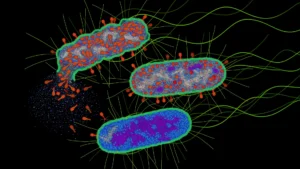
In a significant stride toward overcoming this therapeutic impasse, researchers at the University of Chicago have pioneered a novel strategy, detailed in a recent publication in Science Advances. Their innovative approach harnesses the intrinsic properties of a common probiotic bacterium, Bifidobacterium longum, engineering it to serve as a targeted delivery system for an immune-stimulating therapeutic agent directly within the tumor site. This engineered strain, designated BifidoSumIL-2, represents a potential paradigm shift in how difficult-to-treat cancers, particularly those with "cold" microenvironments, might be approached.
The conceptual foundation of this therapy rests on exploiting the distinctive biological characteristics of Bifidobacterium longum. This gram-positive bacterium is a natural inhabitant of the mammalian gut, widely recognized for its probiotic benefits and an established safety profile. Crucially, Bifidobacterium species are obligate anaerobes, meaning they thrive exclusively in environments devoid of oxygen. This particular metabolic requirement offers a unique advantage for cancer therapy. Solid tumors, especially those characterized by rapid, uncontrolled growth and disorganized vascularization, frequently develop hypoxic (low-oxygen) or anoxic (no-oxygen) cores. In stark contrast, healthy tissues typically possess ample oxygen supply. When introduced systemically, BifidoSumIL-2 preferentially colonizes these oxygen-deprived tumor regions, while being efficiently cleared from oxygen-rich healthy tissues. This selective localization transforms the tumor into a precise, microscopic factory for drug production, concentrating the therapeutic payload exactly where it is most needed and minimizing systemic exposure.
The therapeutic cargo carried by BifidoSumIL-2 is a modified variant of interleukin-2 (IL-2), an endogenous cytokine critical for immune cell proliferation and differentiation, particularly T lymphocytes. While conventional IL-2 has been employed in cancer therapy for decades, its clinical utility has been severely hampered by two primary challenges. Firstly, systemic administration of IL-2 often leads to significant, dose-limiting toxicities due to its widespread effects on various immune and non-immune cells throughout the body. Secondly, traditional IL-2 can inadvertently stimulate not only beneficial effector T cells (such as CD8+ T cells, which are potent cancer killers) but also regulatory T cells (Tregs), which actively suppress immune responses and can thus paradoxically weaken the anti-tumor effect.
To circumvent these historical limitations, the University of Chicago team engineered a specialized form of IL-2, termed SumIL-2. This modified cytokine is designed to selectively activate the cancer-fighting CD8+ T cells while significantly reducing its stimulatory impact on immunosuppressive regulatory T cells. By encapsulating SumIL-2 within the tumor-targeting Bifidobacterium, the researchers aimed to achieve a dual advantage: precise, localized delivery of the therapeutic agent to the tumor microenvironment, and the use of a refined IL-2 variant that maximizes beneficial immune activation while mitigating undesirable side effects.
The development of BifidoSumIL-2 was a testament to interdisciplinary collaboration, drawing expertise from diverse scientific domains. As Dr. Mark Mimee, Assistant Professor of Microbiology at the University of Chicago, highlighted, the project necessitated a confluence of specialists spanning microbiology, synthetic biology, oncology, and immunology. The intricate process of genetically engineering Bifidobacterium itself presented considerable technical hurdles. Unlike more commonly studied model bacteria like E. coli, Bifidobacterium is notoriously challenging to manipulate genetically, owing to its anaerobic growth requirements, slow replication rate, and limited availability of molecular tools. Overcoming these fundamental biological and technical barriers required extensive foundational research and ingenuity from the team.
Preclinical investigations conducted in animal models yielded highly encouraging results. The studies confirmed that BifidoSumIL-2 indeed demonstrated a strong propensity to accumulate within pancreatic tumors. Once localized, the engineered bacteria effectively stimulated local immune activity, leading to a measurable deceleration in tumor growth. Furthermore, the therapy actively remodeled the tumor microenvironment, fostering a more immune-permissive state characterized by an increased presence and activity of cancer-fighting CD8+ T cells. This shift from a "cold" to a "hotter" immune environment is a crucial step towards making these resistant tumors more amenable to immune attack.
Perhaps one of the most compelling findings from the research was the demonstration of enhanced therapeutic efficacy when BifidoSumIL-2 was combined with established cancer treatments. The bacterial therapy exhibited synergistic effects when administered alongside conventional chemotherapy, radiation therapy, or even anti-PD-L1 immunotherapy, a type of checkpoint inhibitor. In these combination regimens, the treated animals showed superior tumor control and significantly prolonged survival compared to any of the individual therapies alone. Dr. Ralph Weichselbaum, the Daniel K. Ludwig Distinguished Service Professor and Chair of Radiation and Cellular Oncology at the University of Chicago, underscored the importance of this combinatorial potential, emphasizing that BifidoSumIL-2’s ability to augment existing treatments positions it as a versatile and promising adjunctive therapy.
While these preclinical findings are highly promising, it is crucial to emphasize that BifidoSumIL-2 has not yet advanced to human clinical trials. Future research will be imperative to meticulously evaluate its long-term safety profile, including any potential off-target effects outside the intended tumor sites. Investigations will also need to determine the duration and robustness of the induced immune response, explore the feasibility of alternative administration routes, such as oral delivery, and assess its potential integration with other emerging pancreatic cancer treatments, including novel KRAS inhibitors that target a common oncogenic mutation in this disease.
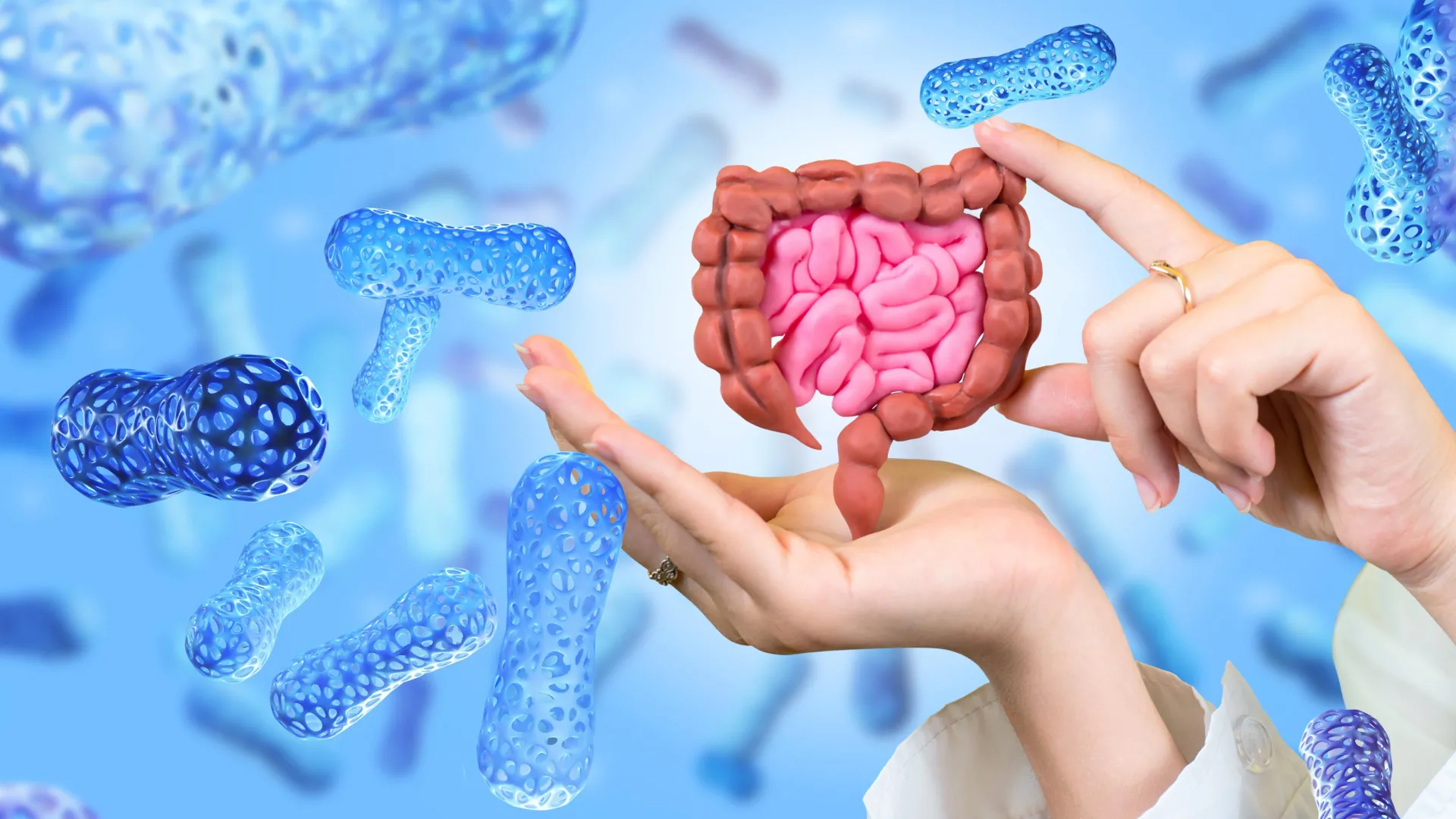
This pioneering work by the University of Chicago team contributes significantly to a burgeoning field often termed "bugs as drugs" or microbial therapeutics. The strategy of engineering bacteria to home in on tumors and act as localized drug delivery vehicles represents a powerful new frontier in oncology. By leveraging the unique biological properties of microorganisms, scientists aim to create highly precise therapeutic agents that can concentrate potent anti-cancer treatments directly at the disease site, thereby maximizing efficacy while simultaneously minimizing the systemic toxicities often associated with conventional therapies. The inherent ability of bacteria to sense and respond to their environment, along with their capacity for sustained therapeutic production, offers an unparalleled platform for next-generation precision oncology.
The study, titled "Engineered probiotic Bifidobacterium for tumor-targeted pancreatic cancer therapy," received vital financial backing from the Ludwig Foundation and the National Institutes of Health. Key contributors included Jaehyun Lee, Kaiting Yang, Christina Nowicki, Wei Liu, Emile Naccasha, and Hua Liang from the University of Chicago; Zhichen Sun from the University of Texas Southwestern, Dallas; and Yang-Xin Fu from Tsinghua University, Beijing, China. This research further solidifies UChicago Medicine and its Biological Sciences Division’s position at the forefront of cancer innovation. Their ongoing commitment to advancing cancer care and research is further exemplified by the upcoming opening of the AbbVie Foundation Cancer Pavilion in April 2027, which is poised to become Chicago’s inaugural freestanding cancer pavilion, dedicated to delivering cutting-edge diagnostics, pioneering treatments, and comprehensive patient support.
About the Author