Investigating the Potential of Microbial Interventions to Modulate Affective Disorders in Older Adults

A recent clinical investigation has illuminated a potential new avenue for supporting the mental well-being of older individuals experiencing depression, exploring the intricate nexus between the gut microbiome and mood regulation. The study, published in the esteemed Journal of the American Geriatrics Society, posits that the daily administration of a specific probiotic formulation may offer adjunctive benefits to established antidepressant therapies, fostering a tangible improvement in symptoms associated with both depression and anxiety.
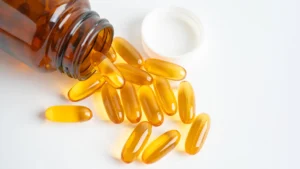
The research team embarked on a controlled trial involving 58 participants in India, all of whom were aged 60 years or older and diagnosed with moderate depression. Crucially, all individuals continued their prescribed standard antidepressant treatment throughout the study duration. The volunteers were then randomly allocated, in a precise one-to-one ratio, to one of two groups: one receiving a daily probiotic supplement and the other an inert placebo, which was designed to be indistinguishable from the active treatment. This intervention phase lasted for a period of 12 weeks, after which the participants were monitored for an additional 12 weeks to assess the persistence and longer-term implications of the intervention.
While both the probiotic and placebo groups demonstrated a notable degree of symptom amelioration over the 24-week study period, a statistically significant, albeit modest, divergence emerged. The group that consistently consumed the daily probiotic supplement exhibited a more pronounced reduction in the severity of depressive and anxious symptoms when contrasted with their counterparts who received the placebo. This finding suggests that the microbial intervention may contribute an additional layer of therapeutic effect beyond the standard care.
The scientific rationale underpinning this exploration lies in the increasingly recognized "gut-brain axis," a complex bidirectional communication network that links the gastrointestinal tract and the central nervous system. The human digestive system is home to trillions of microorganisms, collectively termed the gut microbiome, which play a multifaceted role in numerous physiological processes, including immune function, nutrient metabolism, and, as emerging research indicates, the modulation of mood and behavior. Probiotics, defined as live microorganisms that, when administered in adequate amounts, confer a health benefit on the host, are thought to influence this axis by promoting a more favorable balance of microbial communities within the gut. Scientists hypothesize that these beneficial bacteria can impact neurotransmitter production, reduce inflammation, and influence the integrity of the gut barrier, all of which can indirectly affect brain function and emotional state.
To rigorously evaluate the impact of the probiotic intervention, the researchers employed a comprehensive assessment strategy. This involved the utilization of well-established psychological rating scales, meticulously designed to quantify the severity of depression and anxiety symptoms experienced by the participants. Beyond subjective reporting, the study also delved into objective biological markers. One such marker examined was serum brain-derived neurotrophic factor (BDNF) levels. BDNF is a vital protein instrumental in the development, survival, and plasticity of neurons, and its dysregulation has been frequently implicated in various psychiatric disorders, including depression. Furthermore, the investigators conducted an in-depth analysis of the participants’ gut bacteria through fecal microbiota profiling. This advanced technique allows for a detailed examination of the diversity and composition of the microbial communities residing in the digestive tract, providing insights into how the probiotic might have altered the gut ecosystem.
The collective findings from these assessments indicated that the probiotic therapy was associated with improvements in the measured mental health indicators. However, it is important to note that the study did not identify clear evidence of additional benefits in terms of overall quality of life when comparing the probiotic group to the placebo group. This nuanced outcome highlights that while symptom relief may be enhanced, broader functional improvements might require further investigation or different intervention strategies.
Given the preliminary nature of this research, being a relatively small pilot study, these findings should be interpreted with caution. The researchers themselves emphasize the need for larger, more robust clinical trials to definitively ascertain the extent of benefit that probiotics may offer, to identify specific patient populations who are most likely to respond positively to such interventions, and to confirm the consistency of these effects across more diverse demographic groups. Nevertheless, the results provide compelling support for the hypothesis that probiotics could represent a safe and biologically plausible adjunct to conventional treatments for depression.
Dr. Saibal Das, MBBS, MD, DM, PhD, from the Indian Council of Medical Research — National Institute for Research in Bacterial Infections, Kolkata, and a co-corresponding author of the study, expressed optimism about the novelty of their findings. He announced plans for a subsequent, larger-scale clinical trial, motivated by the encouraging outcomes observed. This forward-looking perspective underscores the commitment to advancing this line of research.
Echoing this sentiment, Abhinaba Ghosh, MBBS, MSc, PhD, a physician-neuroscientist affiliated with Tata Medical Center, Kolkata, and also a co-corresponding author, articulated a broader vision for the project. His aspiration is to contribute to the development of accessible and affordable healthcare solutions that can be broadly disseminated to benefit public health on a significant scale. This ambitious goal highlights the potential societal impact of successfully integrating microbial interventions into mainstream mental healthcare. The journey from initial findings to widespread clinical application is often long and requires rigorous scientific validation, but this study represents a promising step in that direction, opening new avenues for holistic approaches to mental wellness, particularly for aging populations.
Related posts:

Related News