The global demographic shift towards an increasingly aging population presents a unique set of challenges for public health, particularly concerning the efficacy of preventative medical interventions like vaccination. As individuals advance in age, the human immune system typically undergoes a gradual decline in its functional capacity, a phenomenon scientifically termed immunosenescence. This pervasive age-related deterioration of immune function often translates into reduced responsiveness to vaccinations and heightened vulnerability to infectious diseases. However, recent groundbreaking research has shed light on a naturally occurring polyamine, spermidine, suggesting its potential to mitigate some of these age-related immune deficits and thereby enhance vaccine effectiveness in older adults.
Immunosenescence is a complex biological process characterized by a myriad of changes within the immune system. Key hallmarks include a decrease in the production of new, naïve T and B cells, an accumulation of exhausted or senescent immune cells, chronic low-grade inflammation (often referred to as "inflammaging"), and a general impairment in the signaling pathways critical for mounting robust immune responses. These alterations collectively weaken the body’s ability to identify and neutralize pathogens, making older individuals more susceptible to infections such as influenza, pneumonia, and, as profoundly demonstrated by the recent global crisis, severe acute respiratory syndrome coronavirus 2 (SARS-CoV-2). Furthermore, the compromised immune state means that even after receiving vaccines, older adults may not generate the same level or duration of protective antibodies and T-cell responses compared to younger individuals. This reduced vaccine efficacy underscores the urgent need for strategies to bolster immune function in the elderly and ensure they derive maximum benefit from vaccination programs.
Against this backdrop, the collaborative efforts of scientists from the Max Delbrück Center, the University of Oxford’s Nuffield Department of Orthopaedics, Rheumatology & Musculoskeletal Sciences (NDORMS), the Oxford Vaccine Group, and Cardiff University have yielded promising insights. The team, spearheaded by Dr. Katja Simon, Group Leader of the Cell Biology of Immunity lab at the Max Delbrück Center, and Dr. Ghada Alsaleh, an Associate Professor at NDORMS, embarked on a pilot study to explore whether spermidine supplementation could positively influence vaccine responses in an older demographic. Their findings, meticulously documented in the esteemed journal Aging Cell, indicate that this ubiquitous compound may indeed strengthen immune reactions to vaccines by addressing underlying biological markers of immune system aging.
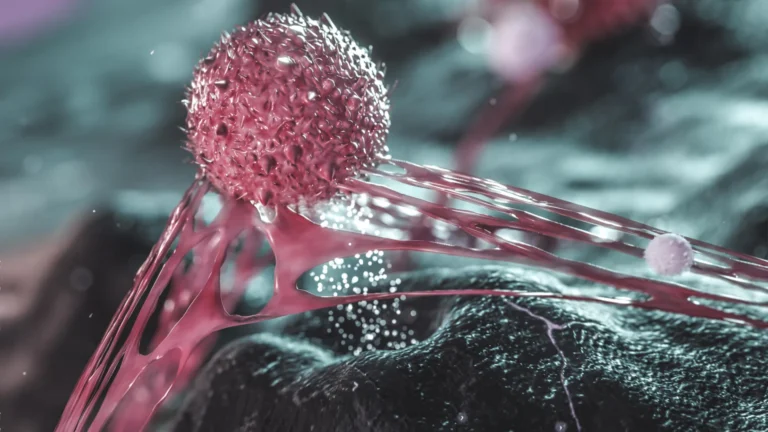
Spermidine is a polyamine found abundantly in all living organisms. It plays a crucial role in various cellular processes, including cell growth, proliferation, and differentiation. While human cells naturally synthesize spermidine, it is also readily available through dietary sources. Common foods rich in spermidine include wheat germ, aged cheeses such as Parmesan and cheddar, mushrooms, legumes, and whole grains. Prior scientific investigations have established spermidine’s involvement in promoting autophagy, a fundamental cellular "housekeeping" process. Autophagy, derived from Greek words meaning "self-eating," is the body’s intrinsic mechanism for recycling damaged cellular components, misfolded proteins, and dysfunctional organelles. This vital process ensures cellular health, maintains homeostasis, and prevents the accumulation of cellular waste products that can contribute to aging and disease. As individuals age, autophagic activity tends to decline, leading to a buildup of cellular debris and contributing to cellular senescence, a state where cells stop dividing but remain metabolically active, secreting pro-inflammatory molecules that further exacerbate immune dysfunction. The hypothesis driving the current research was that by enhancing autophagy and other cellular maintenance mechanisms, spermidine could potentially reverse or attenuate aspects of immunosenescence, thereby improving vaccine responsiveness.
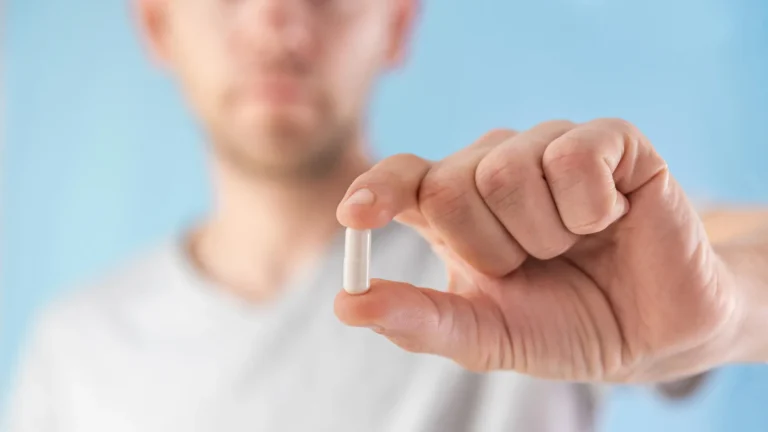
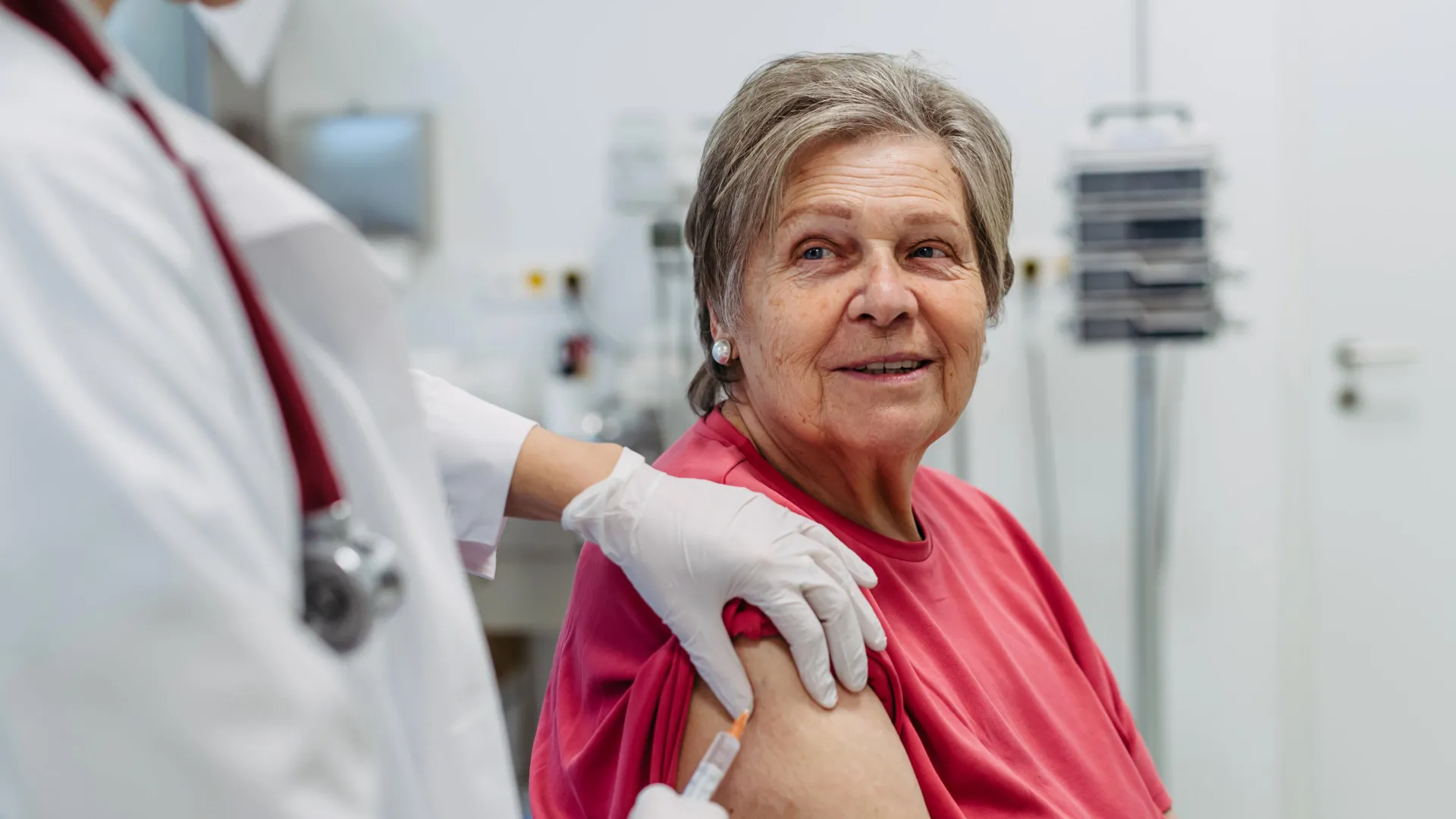
To rigorously test this hypothesis, Dr. Simon, Dr. Alsaleh, and their colleagues designed a controlled pilot study involving 40 healthy adults, all aged 65 years or older. Following the administration of their third dose of a COVID-19 vaccine, participants were randomly assigned to one of two groups: one receiving a daily oral supplement of six milligrams of spermidine, and the other a placebo, for a duration of 13 weeks. This particular study design allowed the researchers to assess the impact of spermidine specifically on the immune response following a recent vaccination event.
A significant observation made during the initial assessment of the participants was that approximately one-quarter of the enrolled older adults exhibited a remarkably weak antibody response, even after receiving three doses of the COVID-19 vaccine. This subgroup, effectively classified as "vaccine non-responders," also displayed pronounced molecular indicators of biological aging within their immune cells. These markers included elevated levels of DNA damage and an increased presence of molecular signatures associated with cellular senescence. Such findings underscored the real-world challenge of variable vaccine efficacy within the older population and identified a specific cohort that could potentially benefit most from interventions aimed at bolstering immune function.
Crucially, the investigators observed a substantial improvement in several key indicators of vaccine-induced immunity among the non-responding participants who received the spermidine supplement. These individuals generally developed higher titers of antibodies specifically targeting SARS-CoV-2 and demonstrated a more potent neutralizing activity against various viral variants. This suggests that spermidine not only helped to increase the quantity of antibodies but also improved their functional quality, rendering them more effective at combating the virus. Beyond the direct antibody response, the study also revealed deeper cellular-level changes. Spermidine administration led to a measurable reduction in markers associated with immunosenescence and, significantly, an increase in autophagic activity within immune cells. This enhanced cellular recycling capability likely contributed to the overall rejuvenation of immune cell function, allowing them to respond more effectively to the vaccine antigen. Importantly, throughout the 13-week study period, the spermidine supplement appeared to be safe and well-tolerated, with no reported adverse effects linked to the treatment.
While these findings are undeniably encouraging, the researchers wisely emphasize the preliminary nature of this pilot study. With a relatively small cohort of 40 participants, the results should be interpreted as early evidence rather than definitive proof of spermidine’s universal ability to enhance vaccination outcomes. As Dr. Simon articulated, "This study was designed as a pilot trial and involved a relatively small number of participants. Larger studies will be needed to determine whether spermidine can consistently improve vaccine responses and whether similar effects are seen with other vaccines, such as those used against seasonal influenza."
The implications of this research, though still in its nascent stages, are profound. If larger, more extensive clinical trials corroborate these initial findings, spermidine supplementation could represent a straightforward, safe, and cost-effective strategy to significantly improve vaccine efficacy in older adults. This could have far-reaching public health benefits, reducing the burden of infectious diseases in a vulnerable population, preventing severe illness and hospitalization, and ultimately contributing to healthier aging. Future research will need to delve deeper into the precise molecular mechanisms through which spermidine exerts its immunomodulatory effects, investigate optimal dosages, and explore its potential benefits across a broader range of vaccines and diverse geriatric populations. The prospect of leveraging a common dietary compound to fortify our immune defenses in later life opens an exciting new avenue in healthy aging research and preventative medicine.
About the Author