
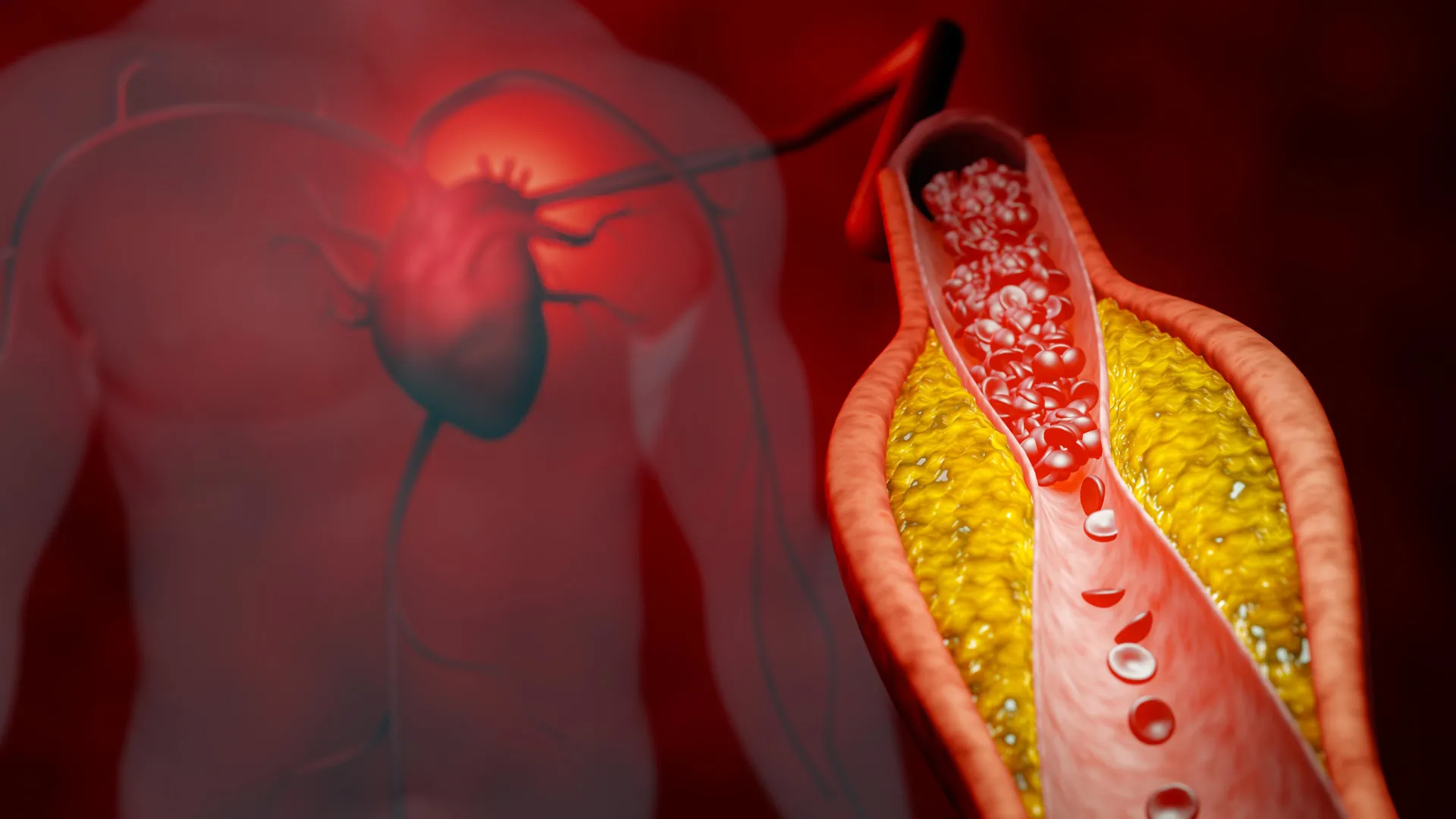
Cardiovascular disease remains the leading cause of mortality globally, with elevated levels of low-density lipoprotein cholesterol (LDL-C), commonly referred to as "bad" cholesterol, being a primary modifiable risk factor. For decades, statins have been the cornerstone of lipid-lowering therapy, dramatically reducing cardiovascular events by inhibiting cholesterol synthesis in the liver. However, despite their widespread efficacy, statins are not universally tolerated, with some patients experiencing side effects such as muscle pain (myalgia) or liver enzyme abnormalities, and others failing to achieve optimal LDL-C targets even at maximum doses. This clinical gap underscores an urgent need for novel therapeutic strategies that can effectively lower LDL-C through alternative mechanisms, offering options for patients who cannot take statins or require additional lipid reduction.
Against this backdrop, a groundbreaking experimental strategy has emerged from collaborative research efforts involving scientists at the University of Barcelona and the University of Oregon. This innovative approach, detailed in the journal Biochemical Pharmacology, represents a significant step forward in the quest for advanced cholesterol management by leveraging a sophisticated genetic intervention. Rather than targeting cholesterol synthesis directly, this new method focuses on regulating the production of a key protein, PCSK9, which plays a pivotal role in dictating the body’s ability to clear LDL-C from the bloodstream.
The protein convertase subtilisin/kexin type 9, or PCSK9, has garnered substantial attention in cardiovascular medicine over the past decade due to its profound influence on lipid metabolism. Its primary function involves regulating the availability of LDL receptors (LDLRs) on the surface of liver cells. These receptors are crucial for internalizing LDL-C particles circulating in the blood. When PCSK9 binds to an LDL receptor, it triggers the receptor’s degradation within the cell’s lysosomes, effectively reducing the number of available receptors on the cell surface. Consequently, fewer LDL-C particles are removed from circulation, leading to higher plasma LDL-C concentrations—a condition known as hypercholesterolemia, which significantly accelerates the development of atherosclerosis, the hardening and narrowing of arteries due to plaque buildup.
Given PCSK9’s critical role, inhibiting its activity has become a validated therapeutic strategy. Currently available PCSK9 inhibitors include monoclonal antibodies (like evolocumab and alirocumab), which bind to the PCSK9 protein itself, preventing it from interacting with LDL receptors. Another class, represented by inclisiran, employs small interfering RNA (siRNA) molecules to reduce PCSK9 production at the messenger RNA (mRNA) level, effectively silencing the PCSK9 gene. These existing therapies have demonstrated remarkable efficacy in lowering LDL-C, often by 50% or more, and have been shown to reduce cardiovascular events. However, they typically involve injectable administration, often bi-weekly or quarterly, and can be relatively expensive. The new research introduces a potentially advantageous alternative within this therapeutic landscape.
The innovative technique developed by the research teams, spearheaded by Professors Carles J. Ciudad and Verónica Noé from the University of Barcelona’s Faculty of Pharmacy and Food Sciences and the Institute of Nanoscience and Nanotechnology (IN2UB), alongside Dr. Nathalie Pamir of the University of Oregon, utilizes specialized DNA molecules known as polypurine hairpins (PPRHs). Unlike siRNAs, which target mRNA, PPRHs are designed to interfere with gene expression at an earlier stage: transcription. Transcription is the fundamental biological process where genetic information encoded in DNA is copied into RNA. By intervening at this foundational level, PPRHs aim to prevent the cellular machinery from even creating the mRNA template for PCSK9, thereby cutting off protein production closer to its source.
PPRHs are short, single-stranded DNA molecules, classified as oligonucleotides, that possess a unique structural characteristic: they can fold back on themselves to form a hairpin-like shape. This distinct configuration allows them to recognize and bind with exceptional specificity to particular polypyrimidine sequences within a target gene’s DNA. In this study, the researchers engineered two distinct PPRH molecules, designated HpE9 and HpE12. Their design allows them to bind specifically to exons 9 and 12, respectively, of the human PCSK9 gene via classical Watson-Crick base pairing. This precise binding action then disrupts the process of gene transcription. As Professor Carles J. Ciudad explained, this interference can occur either by physically blocking the activity of RNA polymerase, the enzyme responsible for synthesizing RNA from a DNA template, or by impeding the attachment of transcription factors—proteins essential for initiating and regulating gene expression—to the DNA. By hindering these critical steps, the PPRHs effectively reduce the overall production of PCSK9 RNA and subsequently, the PCSK9 protein.
The efficacy of this novel approach was rigorously evaluated through a series of experiments, first in vitro using human liver cancer cells (HepG2 cells), and subsequently in vivo using a sophisticated animal model. In the HepG2 cell lines, both HpE9 and HpE12 demonstrated significant reductions in PCSK9 RNA and protein levels, concurrently leading to an increase in LDLR levels, indicating enhanced cellular capacity to take up cholesterol. HpE12, in particular, proved to be highly potent, achieving a remarkable 74% decrease in PCSK9 RNA levels and an even more substantial 87% reduction in PCSK9 protein levels within these cells.
To assess the therapeutic potential in a living system, the researchers utilized transgenic mice specifically engineered to express the human PCSK9 gene. This animal model is critically important because it mimics the human genetic context for PCSK9 regulation, making the findings more translatable. A single administration of HpE12 to these mice yielded dramatic results. Within just three days post-injection, plasma PCSK9 levels plummeted by 50%, a direct consequence of the transcriptional silencing induced by the PPRH. Critically, this reduction in PCSK9 translated directly into a substantial decrease in circulating cholesterol, with total plasma cholesterol levels falling by an impressive 47%. This rapid and profound cholesterol-lowering effect underscores the potential of PPRHs to swiftly and effectively modify lipid profiles. The mechanism behind this observed reduction is consistent with the initial hypothesis: by reducing PCSK9, the number of functional LDL receptors on liver cell surfaces increases, thereby accelerating the clearance of LDL-C from the bloodstream and ultimately reducing the amount of cholesterol available to contribute to arterial plaque formation.
While these preclinical findings are highly promising, it is imperative to acknowledge that the research is currently at an early stage. The observed efficacy in mouse models provides a robust proof-of-concept, but further extensive research will be necessary to ascertain the safety, long-term efficacy, and optimal dosing of PPRHs in human subjects. The transition from animal studies to human clinical trials is a complex process, involving stringent regulatory review and multiple phases of testing to ensure patient safety and confirm therapeutic benefit.
Nonetheless, the advantages articulated by the research team for PPRHs present a compelling argument for their continued development. One significant benefit highlighted is the potentially low cost of synthesis for these oligonucleotide molecules, which could make them a more accessible and economically viable option compared to existing biologics. Furthermore, PPRHs are noted for their inherent stability, a critical characteristic for drug development that impacts storage, shelf life, and in vivo persistence. Perhaps most importantly, the researchers emphasize the low likelihood of these molecules provoking an immune response, or immunogenicity. The immune system can recognize foreign genetic material, leading to unwanted side effects or reduced drug effectiveness; a low immunogenic profile would be a significant advantage. Additionally, this PPRH-based strategy offers a mechanism entirely distinct from statins, which could mean avoiding common statin-associated side effects such as myopathies, providing a much-needed alternative for patients intolerant to conventional treatments.
The development of PPRHs to target PCSK9 represents an exciting new chapter in the evolving story of cardiovascular disease prevention and treatment. It adds to a growing arsenal of advanced gene-targeting therapies that aim to move beyond traditional pharmacology towards more precise, molecular-level interventions. If subsequent human trials validate the safety and effectiveness demonstrated in these initial studies, polypurine hairpins could emerge as a powerful new tool, expanding the therapeutic landscape for lowering LDL cholesterol and ultimately enhancing cardiovascular health for millions worldwide. This genetic precision medicine holds the promise of not just treating symptoms but fundamentally altering the underlying biological pathways of disease.
About the Author









