For many individuals navigating the complexities of aging, particularly those beyond their sixth decade, the accumulation of fat around the midsection can become a significant concern. Often referred to colloquially as an "apron belly" or scientifically as a panniculus, this abdominal adiposity is not merely an aesthetic issue but a crucial indicator of metabolic health, linked to increased risks for conditions like type 2 diabetes, cardiovascular disease, and certain cancers. The pursuit of a leaner midsection frequently leads to a focus on isolated abdominal exercises, a common misconception rooted in the debunked theory of spot reduction. Scientific consensus firmly establishes that fat loss occurs systemically across the body in response to a caloric deficit and increased metabolic activity, not in a single, targeted area. Therefore, a more effective and sustainable strategy for managing abdominal fat, especially in later life, involves a comprehensive, full-body approach that prioritizes functional movement, cardiovascular health, and strength development.
This re-evaluation of fitness strategies suggests that certain dynamic, standing exercises can offer superior benefits compared to more traditional, often sedentary, gym routines or singular abdominal focus. The inherent advantage of standing movements lies in their ability to engage multiple muscle groups simultaneously, requiring greater stability, coordination, and overall effort. When an exercise compels the body to stabilize against gravity, integrate core strength, and utilize major muscle groups like the legs and hips, it naturally elevates heart rate, increases calorie expenditure, and enhances overall metabolic demand. This integrated approach not only contributes more effectively to systemic fat reduction but also fosters improvements in balance, proprioception, and functional strength—all vital components for maintaining independence and quality of life as one ages.
The efficacy of a fitness regimen for individuals over 60 hinges on a delicate balance: maximizing intensity for physiological benefit while minimizing risk of injury. A well-designed program will incorporate movements that challenge the cardiovascular system and musculature without placing undue stress on joints or compromising form. The goal is to build a foundation of repeatable, effective sessions that cumulatively drive body composition changes, rather than relying on sporadic, overly strenuous workouts that can lead to burnout or injury. Consistency, therefore, becomes paramount, dictating that exercises must be approachable, adaptable, and conducive to long-term adherence.
To effectively address abdominal fat and bolster overall health in the senior population, a specific circuit incorporating power, strength, and conditioning elements, all performed from a standing position, proves highly beneficial. These exercises are selected for their multi-joint nature, high metabolic impact, and adaptability, ensuring that individuals can control the intensity to match their current fitness level and physical limitations. Always remember to begin with a thorough warm-up to prepare muscles and joints, and consult with a healthcare professional before embarking on any new exercise program, especially if you have pre-existing health conditions.
1. The Comprehensive Kettlebell Hip Hinge (Single-Arm Kettlebell Swing)
The single-arm kettlebell swing stands out as a formidable exercise for generating significant total-body effort. It is fundamentally a hip-dominant movement, where explosive power originates from the glutes and hamstrings, driving the kettlebell upwards. The unilateral nature of the single-arm variation intensifies the demand on the core musculature, which must work vigorously to resist rotation and stabilize the torso as the weight moves through its arc. This anti-rotational challenge is crucial for developing robust core strength, which extends beyond superficial abdominal muscles to deep stabilizers vital for spinal health and injury prevention. Furthermore, the dynamic nature of the swing rapidly elevates heart rate, contributing substantially to calorie expenditure and metabolic conditioning.
For seniors, mastering the hip hinge motion is foundational. It’s advisable to first practice the two-hand kettlebell swing or even a kettlebell deadlift to perfect the mechanics of hinging at the hips, keeping the back straight, and engaging the posterior chain. When transitioning to the single-arm swing, start with a very light kettlebell to ensure control. The arm should act as a pendulum, guiding the weight, rather than actively lifting it with the shoulder. The focus remains on generating power from the hips. This exercise builds grip strength, strengthens the entire posterior chain (glutes, hamstrings, lower back), engages the core, and even activates the shoulders and upper back as stabilizers. Aim for 3 sets of 8 to 10 repetitions per side, allowing 45 to 60 seconds of recovery between sets.
2. Integrated Strength: The Dumbbell Squat-to-Overhead Press
Adding a full-body strength component, the dumbbell squat-to-overhead press is a highly functional compound movement that targets major muscle groups across the entire body. It seamlessly combines a lower-body squat with an upper-body press, creating a powerful synergistic action. The initial drive comes from the legs and glutes as you ascend from the squat, transferring momentum upwards, which is then utilized by the shoulders and triceps to press the dumbbells overhead. This integrated movement pattern mimics many daily activities, such as lifting objects from the floor and placing them on a shelf, thus directly enhancing functional independence.
The squat itself engages the quadriceps, glutes, and hamstrings, while the overhead press activates the deltoids, triceps, and upper back. Critically, the core muscles are heavily recruited throughout the entire movement to stabilize the spine, especially during the transition and overhead phase. Maintaining a light enough weight to execute the press smoothly and with control is essential, preventing undue strain on the shoulders and lower back. Ensure a full, stable standing position is achieved before initiating the press to maximize power and control. Perform 3 sets of 8 to 10 repetitions, resting for 45 to 60 seconds between sets. For those new to the movement or with shoulder concerns, variations like a goblet squat or a bodyweight squat with an overhead reach can serve as excellent preparatory exercises.
3. Dynamic Conditioning: High Knees for Cardiovascular Health and Coordination
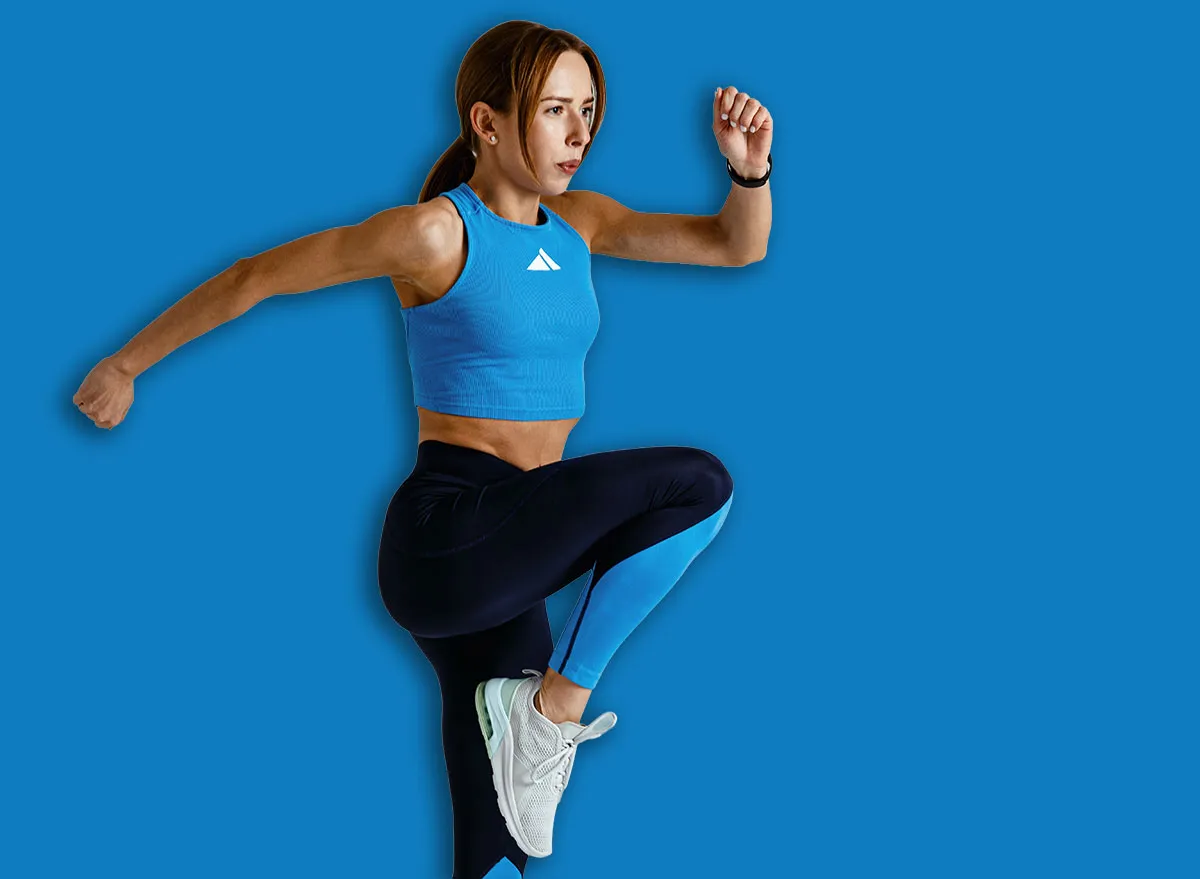
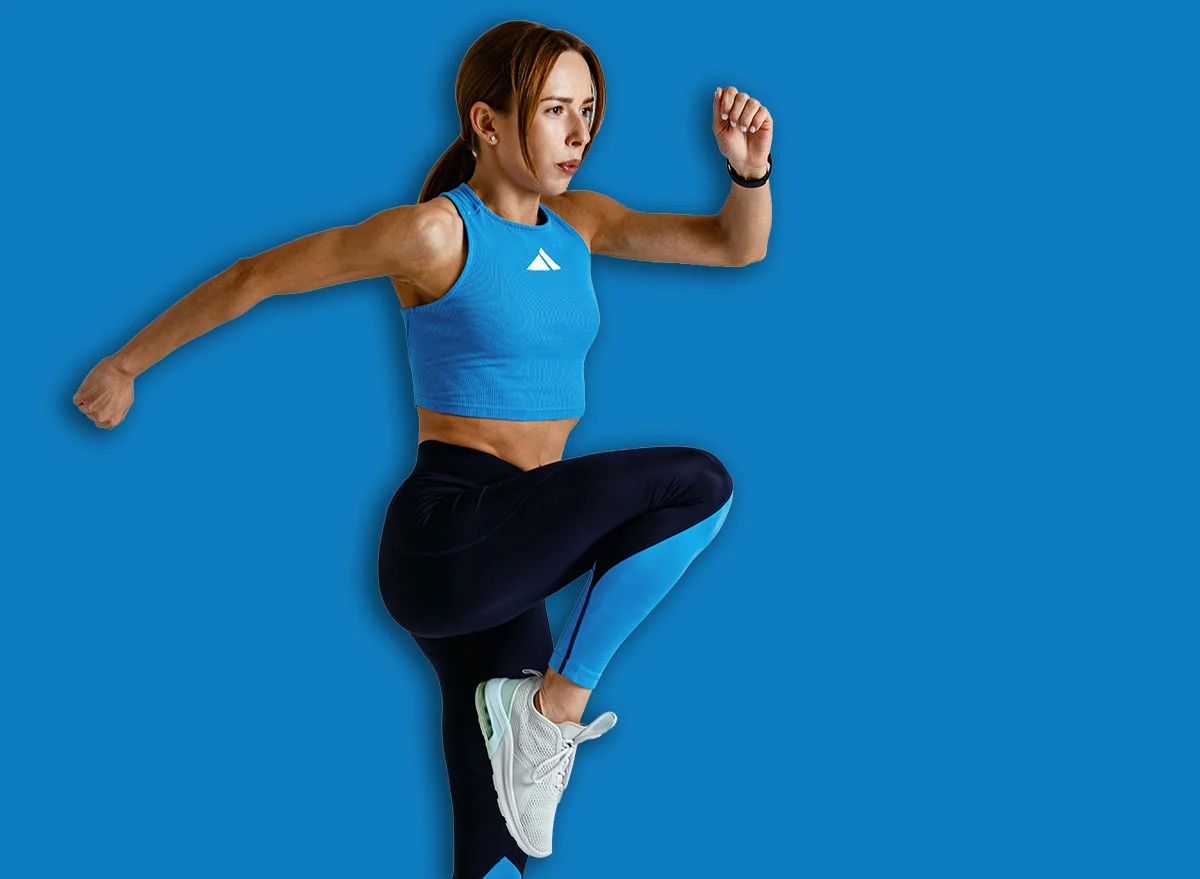
To introduce a cardiovascular and conditioning element without high impact, high knees serve as an excellent choice. This exercise involves rapidly bringing the knees up towards the chest in an alternating fashion, simulating a running-in-place motion. The primary goal is to elevate the heart rate and improve dynamic coordination, fostering agility and stamina. Despite its appearance, high knees can be performed with varying degrees of intensity, making them highly adaptable for seniors.
This movement primarily engages the hip flexors, quadriceps, and calves, while the core muscles are actively recruited to maintain an upright, stable posture throughout the rapid leg movements. The emphasis should be on controlled, quick movements, maintaining an elongated spine and light footfalls to minimize joint impact. For individuals with joint sensitivities or those seeking a lower-impact alternative, a marching high knees variation, where the movements are slower and more deliberate, or even supported high knees using a wall or sturdy furniture, can be effectively substituted. This exercise is an excellent way to improve cardiovascular endurance and dynamic balance. Execute 3 sets, focusing on a duration of 20 to 30 seconds per set, with a shorter rest period of 30 to 45 seconds to maintain cardiovascular demand.
4. Controlled Explosive Power: Modified Squat Jumps for Bone Density and Power
Adding a component of controlled explosive power, modified squat jumps can significantly contribute to overall fitness, including benefits for bone density, which is particularly important for older adults. This exercise involves a controlled descent into a squat, followed by an explosive, yet low, jump off the ground, landing softly and resetting for the next repetition. The objective is to train the leg muscles to generate force rapidly, which is crucial for functional movements like quickly avoiding obstacles or rising from a low chair. Even a small, controlled jump can effectively raise the heart rate and stimulate fast-twitch muscle fibers.
The squat jump primarily targets the quadriceps, glutes, hamstrings, and calves, demanding significant engagement from the core for stabilization during both the explosive phase and the controlled landing. Given the potential impact on joints, particularly the knees, hips, and spine, it is paramount that seniors approach this exercise with extreme caution and prioritize proper form over height or speed. A low-impact variation, such as a squat to calf raise (rising onto the balls of the feet without leaving the ground) or very shallow, controlled jumps, should be utilized if full jumps feel uncomfortable or risky. The key is to land softly and absorb the impact efficiently, ensuring joint protection. Perform 3 sets of 6 to 8 repetitions, allowing 45 to 60 seconds of rest between sets to ensure full recovery and maintain quality of movement.
Implementing the Circuit for Optimal Results
To harness the full potential of these standing exercises, integrate them into a structured circuit performed two to three times per week. Begin with one set of each movement in the prescribed order, then rest for 60 to 90 seconds. Subsequently, repeat the entire sequence for two to three total rounds, depending on your fitness level and available time. This circuit format maintains an elevated heart rate, maximizes calorie expenditure, and provides a balanced workout for the entire body.
Beyond the physical execution of these exercises, remember that consistency is the bedrock of progress. Listen intently to your body, adjusting repetitions, sets, or opting for lower-impact variations whenever necessary. The journey toward improved body composition and enhanced well-being is a marathon, not a sprint, requiring patience, dedication, and smart training.
A Holistic Perspective on Abdominal Fat Reduction
While these standing exercises form a robust foundation for a comprehensive fitness regimen, it is crucial to recognize that managing abdominal fat effectively is a multifaceted endeavor. Exercise, while indispensable, is most impactful when integrated within a broader healthy lifestyle. Nutritional choices play a pivotal role; a diet rich in lean protein, fiber, whole grains, and healthy fats, coupled with adequate hydration, supports metabolic health and satiety, contributing to a sustainable caloric deficit. Sufficient sleep is another often-underestimated factor, as chronic sleep deprivation can disrupt hormone regulation, leading to increased fat storage, particularly in the abdominal region. Similarly, stress management techniques can mitigate the impact of cortisol, a hormone associated with central adiposity.
Ultimately, addressing concerns about abdominal fat, particularly for individuals over 60, extends far beyond isolated efforts. It requires a holistic commitment to well-being that embraces dynamic, functional exercise, mindful nutrition, restorative sleep, and effective stress reduction. By adopting a comprehensive strategy that leverages the power of standing, full-body movements, individuals can not only work towards a leaner midsection but also significantly enhance their overall health, vitality, and functional independence well into their golden years.
About the Author