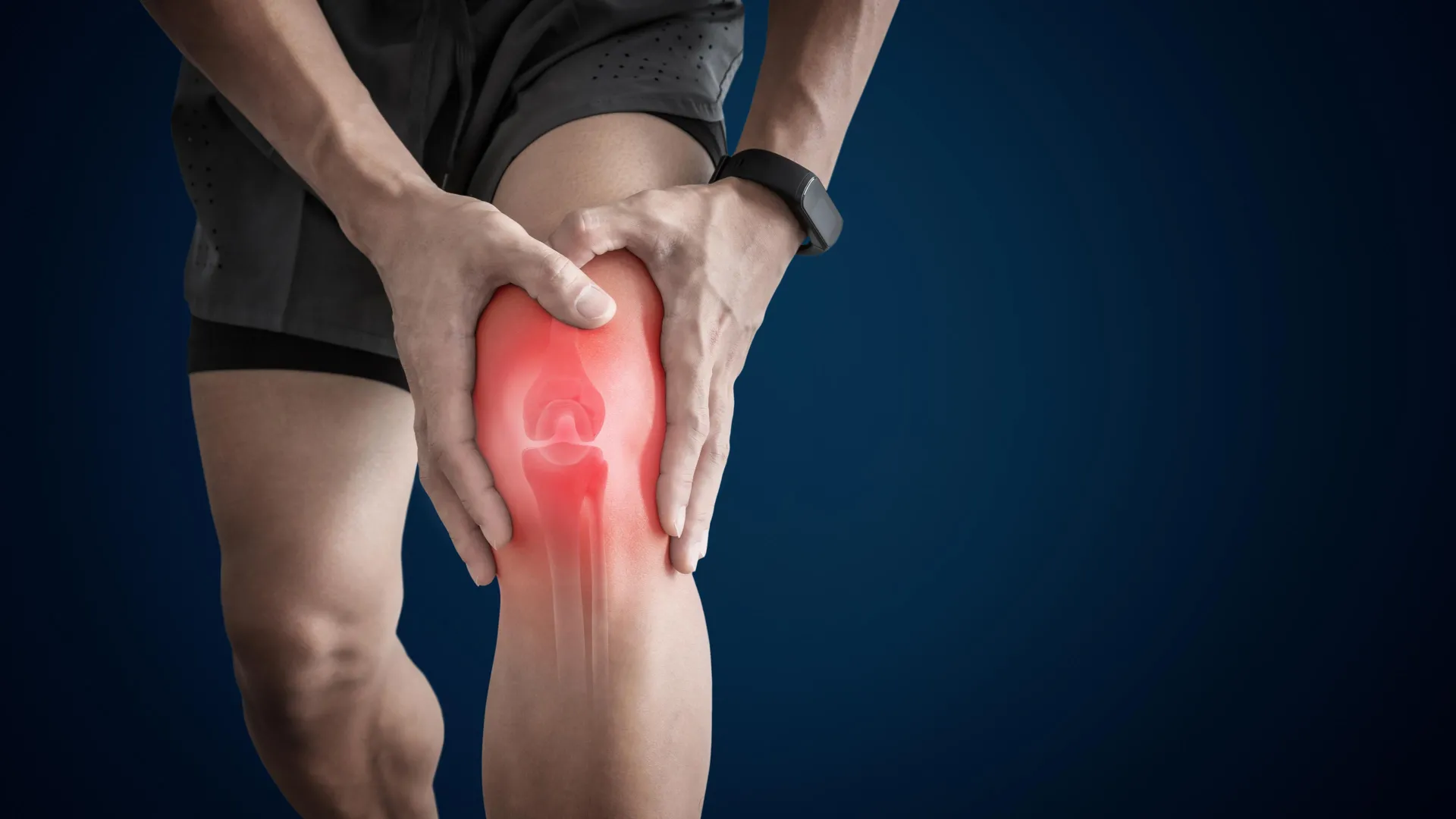
A recent clinical investigation has illuminated the potential of a daily prebiotic fiber supplement to significantly mitigate pain and bolster physical capabilities in individuals diagnosed with knee osteoarthritis (OA). Beyond pain reduction, participants incorporating this supplement into their daily regimen exhibited a notable increase in grip strength and a diminished sensitivity to discomfort, while simultaneously demonstrating a markedly lower attrition rate compared to those engaged in a digitally delivered physiotherapy regimen. These findings, stemming from the INSPIRE clinical trial led by researchers at the University of Nottingham, explore the therapeutic avenues opened by targeting the gut microbiome for managing a prevalent and debilitating condition.
The study focused on inulin, a naturally occurring dietary fiber abundantly found in foods such as chicory root and Jerusalem artichokes. The daily administration of inulin was observed to bring about a substantial reduction in pain experienced by participants suffering from knee OA. The research, meticulously documented and published in the esteemed journal Nutrients, suggests that nurturing the health of the gut ecosystem could represent a novel and effective strategy for managing a condition that profoundly affects millions globally, particularly as they age.
Osteoarthritis of the knee affects a substantial portion of the world’s population, serving as a primary driver of chronic pain and functional impairment, especially in later life. Conventional management strategies often involve the prescription of pain medications, which can carry the burden of adverse side effects, or the implementation of exercise programs, which some patients find challenging to sustain over extended periods. The proposition that a straightforward dietary adjustment—such as integrating a fiber supplement into a morning meal or beverage—could yield meaningful improvements in pain and physical function presents an exceptionally promising prospect, as articulated by Dr. Afroditi Kouraki, the lead author of the study from the University of Nottingham’s School of Medicine.
The intricate ecosystem within the human digestive tract, known as the gut microbiome, comprises trillions of microorganisms that exert influence over numerous physiological processes, including the perception and modulation of pain. Inulin functions as a prebiotic, acting as a vital nutrient source for beneficial gut bacteria. Through their metabolic processes, these bacteria break down inulin, yielding short-chain fatty acids (SCFAs). Among these SCFAs, butyrate stands out as a particularly significant compound, possessing the capacity to influence inflammatory pathways and biological mechanisms intrinsically linked to pain signaling throughout the body.
Furthermore, participants who consumed inulin demonstrated elevated concentrations of both butyrate and glucagon-like peptide-1 (GLP-1). GLP-1 is a crucial gut hormone recognized for its role in pain regulation and its association with muscle health. The observed correlation between higher GLP-1 levels and enhanced grip strength suggests a compelling, albeit preliminary, connection between the state of gut health and the functionality of muscles. Researchers posit that this intricate gut-muscle-pain axis warrants extensive further investigation to fully elucidate its implications.
The six-week randomized controlled trial involved a cohort of 117 adults diagnosed with knee OA. These participants were strategically allocated into four distinct groups: one receiving inulin exclusively, another undertaking digitally supported physiotherapy (PSE) exercises alone, a third group combining both inulin and physiotherapy, and a control group administered a placebo. Both the inulin intervention and the physiotherapy program demonstrated independent efficacy in reducing knee pain. However, it was exclusively within the inulin group that improvements in grip strength and a reduction in pain sensitivity were observed. These latter measurements are indicative of how the nervous system processes and responds to painful stimuli.
A particularly striking observation from the trial was the significantly lower dropout rate among participants in the inulin group. Merely 3.6% of individuals receiving the supplement discontinued their participation, a stark contrast to the 21% attrition rate observed in the physiotherapy group. This disparity strongly suggests that incorporating a supplement into an established daily routine may represent a more accessible and sustainable approach for many patients compared to adhering to a structured exercise program. Dr. Kouraki emphasized that these findings underscore the potential of targeting gut health via a prebiotic supplement as a safe, well-tolerated, and effective strategy for pain management in individuals with knee OA. The notably low dropout rate, especially when juxtaposed with the exercise cohort, offers considerable encouragement from a public health perspective, indicating that individuals can readily integrate such a supplement into their everyday lives.
The observed association between GLP-1 levels and grip strength is particularly noteworthy, according to Professor Ana Valdes, a senior author on the study from the School of Medicine. She highlighted that this finding points towards a broader gut-muscle-pain axis that merits deeper exploration. The implications of such research could extend beyond osteoarthritis, offering profound insights into how gut health influences the broader aspects of aging and overall physical resilience. Arthritis UK, through its Director of Research, Professor Lucy Donaldson, acknowledged the severe impact that arthritis-related pain can have on an individual’s quality of life. Recent survey data from Arthritis UK revealed that a significant majority, six out of ten individuals, experience pain most or all of the time due to their condition.
Researchers are increasingly delving into the role of the gut microbiome in shaping our experience of pain. This promising preliminary research effectively demonstrates that dietary interventions and physiotherapy can exert beneficial effects on individuals with arthritis through distinct mechanisms. It reinforces the well-established understanding that a varied and balanced intake of healthy foods, including ample fiber, coupled with regular physical activity, are paramount. Arthritis UK expressed its support for research endeavors that seek to unravel the precise ways in which these elements contribute to the well-being of individuals living with arthritis.
About the Author