Dili, Timor-Leste – In a monumental public health triumph, the World Health Organization (WHO) has officially recognized Timor-Leste as a nation free from malaria, marking the culmination of a two-decade-long, resolute campaign against the debilitating parasitic disease. This significant declaration places the Southeast Asian nation among a select group of countries that have successfully interrupted indigenous transmission of malaria, a testament to its unwavering commitment to public health since gaining full independence in 2002. The achievement is particularly noteworthy given Timor-Leste’s history as a country with a high malaria burden, demonstrating that sustained political will, strategic interventions, and community engagement can lead to the eradication of even the most entrenched infectious diseases.
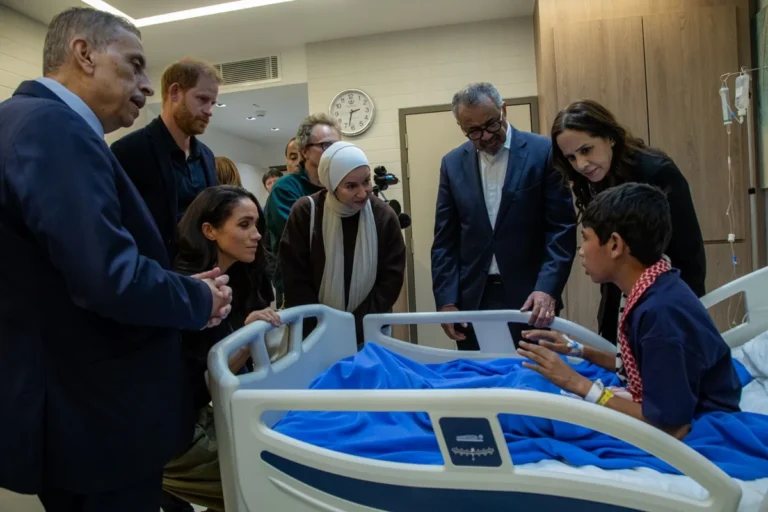
The rigorous process for WHO malaria-free certification demands undeniable proof that the chain of local malaria transmission has been broken nationwide for a minimum of three consecutive years. This involves comprehensive surveillance to detect any new cases, robust response mechanisms to prevent localized outbreaks, and the absence of any indigenous infections for the stipulated period. Dr. Tedros Adhanom Ghebreyesus, the Director-General of the WHO, extended his congratulations, emphasizing that Timor-Leste’s success serves as a powerful global example. He highlighted the critical synergy of strong political commitment, intelligent public health strategies, continuous domestic and international financial support, and the relentless dedication of healthcare professionals as pivotal factors in halting malaria’s spread.
Timor-Leste now joins 47 other nations and one territory globally that have achieved this esteemed status. Within the WHO South-East Asia region, it stands as the third country to be certified, following the Maldives in 2015 and Sri Lanka in 2016. This regional progress underscores the potential for coordinated efforts to eliminate malaria across diverse geographical and socio-economic landscapes. For Timor-Leste, a young nation that emerged from conflict and established its sovereignty in the early 21st century, this certification symbolizes not only a health victory but also a broader assertion of national capacity and resilience.
Reflecting on this historic milestone, Dr. Élia António de Araújo dos Reis Amaral, the Minister of Health for the Government of Timor-Leste, articulated the profound emotional and societal impact of the achievement. She acknowledged malaria as a "relentless enemy," silent yet deadly, responsible for countless preventable deaths. The Minister paid tribute to the tireless efforts of health workers, the steadfast support of communities, and the invaluable partnership with organizations like the WHO. Her statement, "From 223,000 cases to zero – this elimination honours every life lost and every life now saved," powerfully encapsulates the scale of the transformation and the deep human significance of eradicating a disease that once plagued the nation. She also stressed the ongoing need for vigilance to prevent the re-entry of malaria, underscoring that maintaining this status requires sustained effort.
The journey from a high-burden country to malaria-free status in just over two decades is a remarkable narrative of public health transformation. Following independence, Timor-Leste grappled with a severe malaria epidemic, with clinically diagnosed cases peaking at over 223,000 in 2006. This alarming figure placed immense strain on the nascent healthcare infrastructure and posed a significant threat to the well-being and economic development of the population. Recognizing the gravity of the situation, the Ministry of Health took decisive action in 2003, establishing the National Malaria Programme (NMP). This dedicated entity was tasked with the comprehensive planning, implementation, and monitoring of malaria control initiatives across the country.
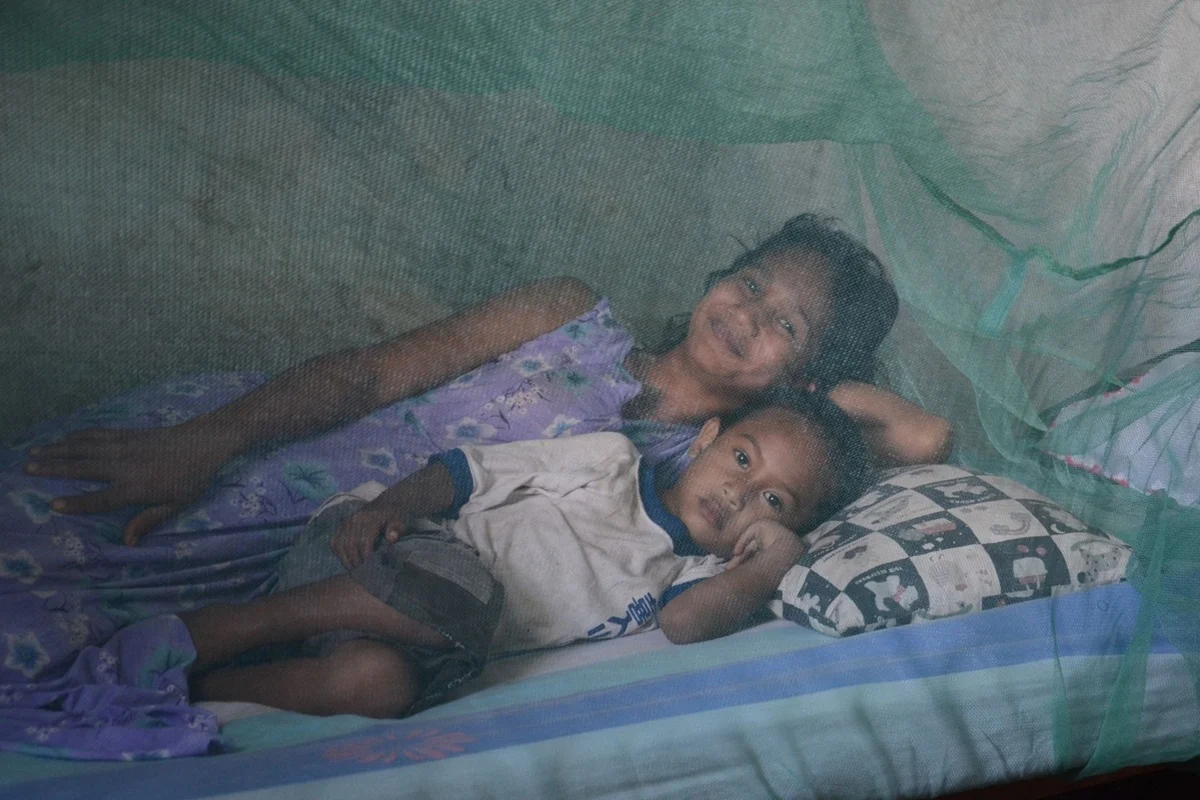
Despite starting with a lean team of only two full-time officers, the NMP quickly laid a robust foundation for progress. This early success was attributed to strong technical leadership, astute managerial capabilities, and an meticulous attention to detail. The programme’s initial focus was on understanding the epidemiology of malaria in the country and developing a strategic framework for intervention. Within a few years, critical diagnostic and treatment tools were integrated into the national health system. Rapid diagnostic tests (RDTs) were introduced to enable quick and accurate diagnosis, even in remote areas. Concurrently, artemisinin-based combination therapies (ACTs), recognized as the most effective treatment for uncomplicated malaria, were incorporated into the National Malaria Treatment Guidelines. Furthermore, the systematic distribution of free, long-lasting insecticide-treated nets (LLINs) began, targeting communities most vulnerable to infection.
The fight against malaria received a significant boost in 2009 with crucial support from the Global Fund to Fight AIDS, Tuberculosis and Malaria. This partnership allowed Timor-Leste to significantly scale up its vector control efforts nationwide. The distribution of LLINs was intensified, reaching a broader segment of the population, and indoor residual spraying (IRS) campaigns were implemented to protect households from mosquito vectors. Concurrently, malaria diagnosis was dramatically expanded. Access to both microscopy and RDTs was decentralized, making these vital diagnostic tools available at the point of care across all local health posts, ensuring that suspected cases could be promptly identified and managed.
A cornerstone of Timor-Leste’s success was its strategic investment in developing a resilient healthcare system, despite facing severe shortages of health workers and doctors in the post-conflict era. The government prioritized building a three-tier health infrastructure comprising national hospitals, regional reference hospitals, community health centers (CHCs), and numerous health posts. This structured approach aimed to ensure that the majority of citizens could access essential healthcare services within an hour’s walk. Complementing this infrastructural development, Timor-Leste implemented a policy of free universal health care at the point of service, removing financial barriers to access and ensuring equitable health outcomes. To bridge geographical gaps and reach the most isolated populations, monthly mobile clinics and dedicated community outreach programmes were established, extending vital health services, including malaria screening and treatment, into remote rural areas.
The multi-faceted approach adopted by Timor-Leste underscored the critical importance of robust national leadership and extensive collaboration. The Ministry of Health worked in close concert with the WHO, engaging local communities, non-governmental organizations, various donor agencies, and multiple government sectors beyond health. This integrated strategy fostered a cohesive and comprehensive response to the malaria challenge. A real-time, integrated case-based surveillance system was instrumental in enabling rapid data collection, analysis, and an agile response to any potential malaria cases, preventing further spread. Simultaneously, a dedicated corps of trained health workers was deployed to ensure the timely detection and screening of malaria cases, with particular attention paid to border areas to mitigate the risk of imported infections. These harmonized efforts collectively paved the way for the country to achieve its official malaria-free certification.
Dr. Arvind Mathur, the WHO Representative to Timor-Leste, characterized the certification as a "defining national triumph," born from "bold leadership, the tireless efforts of health workers, and the resolve of its people." He commended Timor-Leste, a young nation, for its unwavering focus on testing, treating, and swiftly investigating every potential case. Dr. Mathur emphasized that transcending malaria transmission and sustaining zero deaths required more than scientific prowess; it demanded sheer determination and "grit." This profound victory, he noted, offers enduring protection to present and future generations, serving as an inspiring testament to what a determined nation can achieve even in the face of significant challenges. The sustained commitment to public health, exemplified by Timor-Leste’s success, offers invaluable lessons for other countries striving to eliminate malaria and improve global health outcomes. The ongoing challenge for Timor-Leste will be to maintain its hard-won status through continuous surveillance and preparedness, ensuring that malaria remains a disease of the past.
About the Author