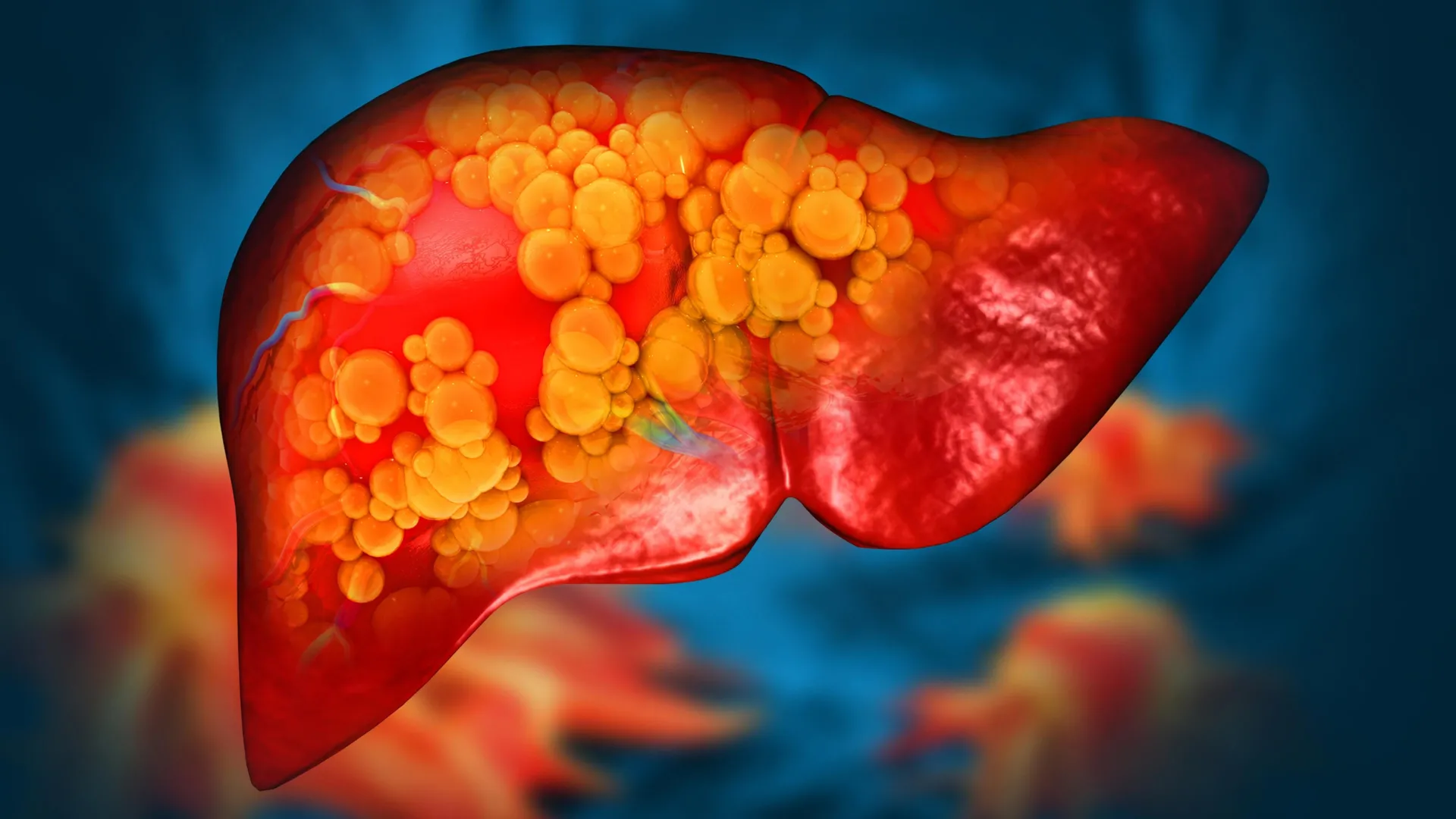
A groundbreaking investigation led by scientists at the Mayo Clinic’s Center for Individualized Medicine has fundamentally shifted the understanding of metabolic dysfunction-associated steatotic liver disease (MASLD), previously known as nonalcoholic fatty liver disease. For decades, the prevailing scientific consensus attributed this pervasive condition primarily to a complex interplay of inherited predispositions and lifestyle factors, such as diet and physical activity. However, a recent publication in the esteemed journal Hepatology unveils compelling evidence that, in certain instances, a singular, inherited genetic alteration can serve as the primary and direct cause, rather than merely a susceptibility factor, dramatically reshaping perspectives on its pathogenesis.
MASLD represents a significant global health challenge, affecting an estimated one-third of the adult population worldwide. Its progression can be insidious, beginning with the accumulation of fat within liver cells—a condition known as steatosis. If left unchecked, this can escalate to metabolic dysfunction-associated steatohepatitis (MASH), a more severe form characterized by inflammation and cellular damage. MASH, in turn, can lead to fibrosis, a scarring process that stiffens liver tissue. Advanced fibrosis can progress to cirrhosis, a life-threatening condition involving irreversible liver damage, impaired function, and an elevated risk of liver failure or hepatocellular carcinoma, a form of liver cancer. Forecasts indicate that MASH is poised to become the leading indication for liver transplants in the near future, underscoring the urgent need for a deeper comprehension of its underlying mechanisms.
The pivotal discovery traces a specific, rare genetic variant to the MET gene. This gene plays an indispensable role in critical physiological processes within the liver, notably in tissue repair and the intricate pathways of lipid metabolism. Normally, the MET gene encodes for the hepatocyte growth factor receptor, a tyrosine kinase receptor that is crucial for cell survival, proliferation, and tissue regeneration, particularly after injury. When the integrity or function of this gene is compromised by a mutation, its ability to regulate fat processing within liver cells is impaired. This malfunction triggers an aberrant accumulation of lipids inside hepatocytes, setting off a cascade that can culminate in inflammation, progressive fibrosis, and, ultimately, severe liver disease.
"This remarkable identification offers profound insights into how specific, uncommon inherited genetic variants can directly precipitate widespread diseases that were previously considered multifactorial," explained Dr. Filippo Pinto e Vairo, a lead author of the study and the medical director for the Program for Rare and Undiagnosed Diseases at Mayo Clinic’s Center for Individualized Medicine. "It not only provides a novel framework for understanding the intricate disease mechanisms but also points towards potential therapeutic targets for future research and drug development."
The journey to this significant finding commenced with a focused genomic analysis of a particular family case. Researchers were presented with a woman and her father, both of whom had been diagnosed with metabolic dysfunction-associated steatohepatitis (MASH). What made their situation particularly intriguing and challenging from a diagnostic standpoint was the absence of conventional risk factors commonly associated with hepatic fat accumulation. Neither individual presented with diabetes nor exhibited elevated cholesterol levels, two of the most prevalent metabolic abnormalities linked to the development and progression of fatty liver disease.
Given the perplexing nature of their clinical profiles, the research team embarked on an exhaustive genetic investigation. This involved meticulously examining the DNA sequence across an expansive panel of more than 20,000 genes. This comprehensive search ultimately pinpointed a subtle yet profoundly impactful alteration within the MET gene. To confirm the functional significance of this genetic anomaly, the Mayo Clinic team collaborated with scientists from the Medical College of Wisconsin’s John & Linda Mellowes Center for Genomic Sciences and Precision Medicine, under the leadership of Dr. Raul Urrutia. Their combined efforts conclusively demonstrated that this specific mutation severely disrupted a vital biological process governed by the MET gene.
The essence of genetic information lies in the precise sequence of chemical "letters" within DNA that dictate cellular functions. In this particular instance, a single base pair—a solitary swapped letter—within the MET gene’s DNA sequence corrupted the genetic message. This critical error prevented the liver from executing its fat-processing functions efficiently and correctly, leading directly to the pathological lipid buildup. Crucially, this particular rare genetic variant, now identified as a direct causative agent for MASLD, had not been previously documented in established scientific literature or widely accessible public genetic databases, underscoring the novelty and importance of this discovery.
"This investigation powerfully illustrates that rare diseases are not always isolated phenomena but can often be obscured within the broader spectrum of complex disorders," commented Dr. Urrutia. "It highlights the immense diagnostic power inherent in individualized medicine, enabling the precise identification of such conditions and paving the way for the design of advanced diagnostic tools and highly targeted therapeutic interventions."
To ascertain the potential prevalence and broader implications of this newly identified MET gene mutation, researchers extended their investigation to a larger cohort. They leveraged data from Mayo Clinic’s Tapestry study, a monumental exome sequencing initiative designed to systematically identify genetic determinants influencing various health conditions across a diverse population.
The Tapestry project stands as a testament to large-scale genomic research, having meticulously analyzed germline DNA from over 100,000 participants spanning the United States. This vast genomic repository serves as an invaluable resource for exploring both well-established and emerging health challenges. Within this extensive dataset, researchers identified nearly 4,000 adults who had received a diagnosis of metabolic dysfunction-associated steatotic liver disease. A striking revelation emerged: approximately 1% of these individuals carried rare variants within the very same MET gene, variants that were strongly implicated in contributing to their liver condition. Furthermore, nearly 18% of these identified variants were localized within the identical key genomic region initially pinpointed in the index family. This corroborative evidence significantly strengthens the hypothesis that the MET gene plays a direct and critical role in the etiology of MASLD.
"This profound finding holds the potential to impact hundreds of thousands, if not millions, of individuals globally who are either currently living with or are at risk for metabolic dysfunction-associated steatotic liver disease," remarked Dr. Konstantinos Lazaridis, a co-lead author of the study and the Carlson and Nelson Endowed Executive Director for the Center for Individualized Medicine. Dr. Lazaridis also underscored the transformative value of the Tapestry study in bringing to light previously hidden genetic factors underlying complex diseases. "Once a pathogenic variant is discovered, the ability to interrogate our Tapestry data repository provides an unparalleled lens into the concealed layers of disease causation. This discovery represents one of the foundational demonstrations of its profound scientific utility," he elaborated. "This finding powerfully underscores the immense merit of studying familial diseases and the indispensable value of large-scale genomic datasets, which possess the unique capacity to unveil rare genetic variations with far-reaching implications for population health."
The implications of these findings extend beyond theoretical understanding, highlighting the rapidly expanding role of genomic medicine in contemporary clinical practice, particularly at institutions like Mayo Clinic. Clinicians and researchers are increasingly harnessing sophisticated genetic technologies to unravel the complex etiologies of challenging diseases. Since its inception in 2019, Mayo Clinic’s Program for Rare and Undiagnosed Diseases has provided comprehensive genomic testing access to over 3,200 patients. Operating collaboratively with nearly 300 clinicians across 14 diverse medical divisions, the program is dedicated to delivering precision diagnostics for patients grappling with difficult-to-diagnose conditions, including various rare liver disorders.
Looking ahead, future research endeavors will focus on translating this novel genetic insight into tangible clinical advancements. Scientists anticipate that a deeper understanding of the MET gene’s role in MASLD could directly inform the development of innovative, targeted therapeutic strategies. Furthermore, this discovery is expected to significantly enhance current diagnostic approaches and optimize disease management protocols, offering a more personalized and effective path for patients affected by this pervasive liver condition. This represents a significant stride towards a future where genomic information routinely guides medical decision-making, offering hope for improved outcomes in complex and widespread diseases.
About the Author