
A recent scientific investigation has illuminated a fascinating connection between the synchronized electrical activity within specific regions of the human brain and an individual’s propensity for generosity. Published in the esteemed open-access journal PLOS Biology on February 10th, this groundbreaking research, spearheaded by Jie Hu from East China Normal University in China and undertaken in collaboration with esteemed colleagues at the University of Zurich in Switzerland, demonstrates that subtly orchestrating neural communication between distinct brain areas can lead to a measurable uptick in altruistic actions. The study delves into the intricate mechanisms that underpin our social decision-making processes, offering a deeper understanding of the biological underpinnings of selfless conduct.
The innate human capacity for cooperation and altruism is a cornerstone of societal functioning, enabling communities to thrive through mutual support and consideration. Parents universally endeavor to instill these valuable traits in their children, fostering empathy and a sense of responsibility towards others. Yet, the spectrum of selfless behavior observed among adults is remarkably diverse; some individuals consistently prioritize the welfare of others, while a significant portion may lean more towards self-interest. This variability has long been a subject of profound curiosity for scientists seeking to unravel the complex factors that shape our social predispositions. Understanding the neural correlates of these differences is crucial for comprehending the biological basis of ethical conduct and social bonding.
To probe these questions, the research team meticulously designed an experimental paradigm that involved 44 volunteer participants. These individuals were engaged in a series of 540 decision-making scenarios within the framework of a classic economic game known as the Dictator Game. In this setup, participants were presented with opportunities to allocate a sum of money, deciding how to divide it between themselves and an anonymous recipient. The stakes were dynamic, with the potential payouts adjusted in each round, creating a variable landscape where participants could either enhance their own financial gain or that of their counterpart. This iterative process allowed researchers to observe consistent patterns of decision-making under varying economic incentives.
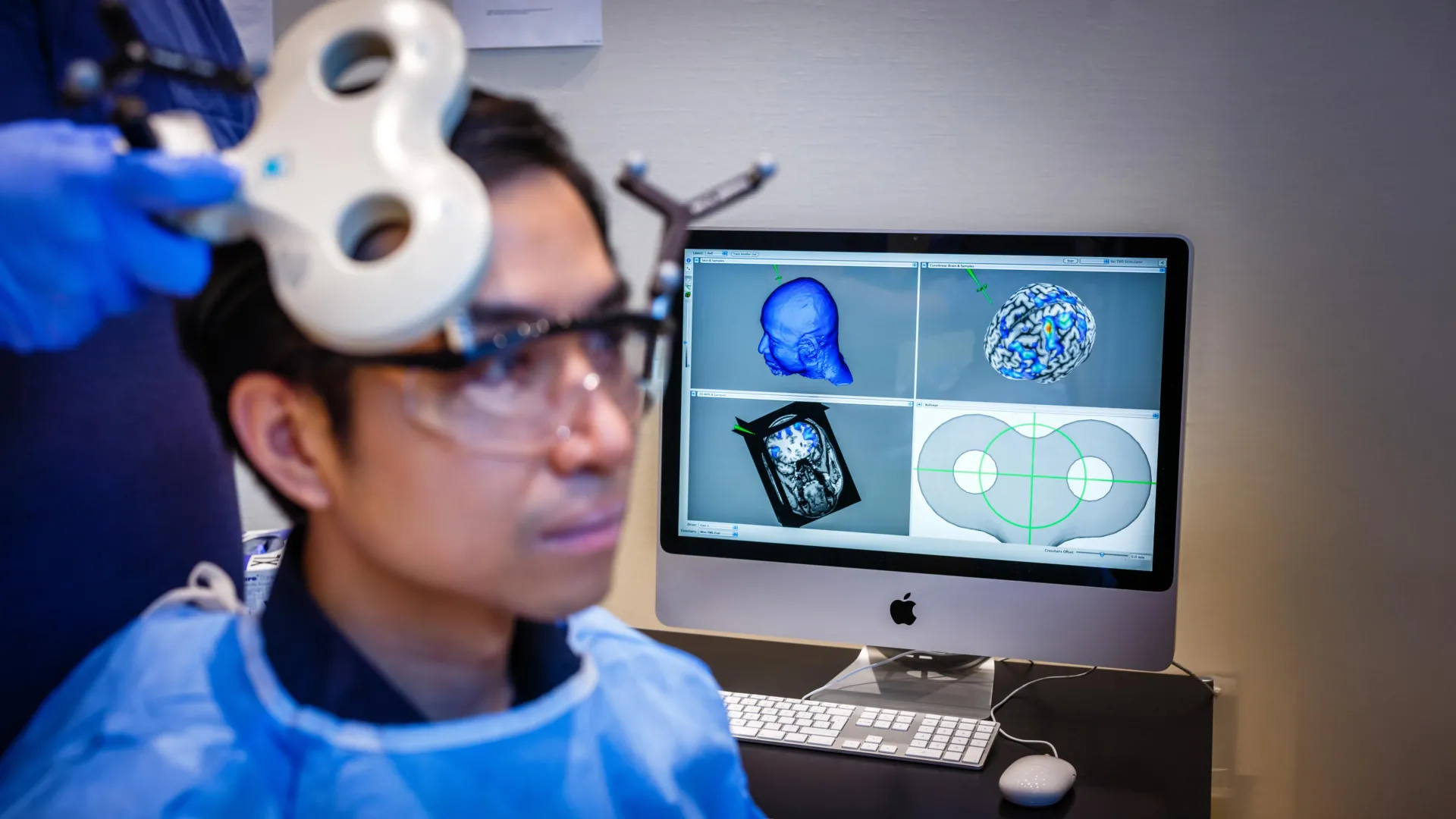
Central to the experimental methodology was the application of a non-invasive neurostimulation technique, specifically transcranial alternating current stimulation (tACS). This sophisticated method was precisely targeted at two key cortical areas: the frontal lobe, which is heavily implicated in executive functions, decision-making, and social cognition, and the parietal lobe, crucial for sensory integration, spatial awareness, and processing information about others. The primary objective of tACS was to gently guide the electrical firing patterns of neurons within these regions, encouraging them to synchronize their activity. This synchronization was aimed at aligning the rhythmic electrical oscillations – specifically, either gamma or alpha waves – within these brain networks, thereby influencing their communication dynamics.
The pivotal finding of the study emerged when the researchers observed that strengthening the synchronization of gamma oscillations between the frontal and parietal regions yielded a statistically significant, albeit modest, increase in altruistic choices. Participants exposed to this specific neural modulation were demonstrably more inclined to share larger portions of their allocated funds. This enhanced generosity persisted even in situations where sharing a greater amount directly translated into a reduction of their own potential earnings relative to the amount received by the anonymous recipient. This outcome suggests a direct influence of synchronized neural activity on the valuation of fairness and the willingness to incur personal cost for the benefit of another.
Further analysis, employing a sophisticated computational model, provided deeper insights into the psychological mechanisms at play. The researchers discovered that the tACS intervention effectively altered how participants appraised each financial offer. Post-stimulation, individuals tended to assign greater significance to the outcome experienced by the other person when making their division decisions. This indicates that the synchronized neural activity did not simply induce a general sense of goodwill, but rather modulated the specific cognitive process of weighing one’s own interests against those of others. While the study did not directly measure neural activity during the core task, the authors highlighted that future investigations could integrate brain stimulation techniques with electroencephalography (EEG) to provide a more direct correlation between altered brain signals and behavioral changes. Nevertheless, the current findings strongly imply that coordinated activity within the frontal and parietal lobes plays a crucial, causal role in facilitating altruistic decision-making.
The researchers themselves underscored the significance of establishing a clear cause-and-effect relationship. Coauthor Christian Ruff articulated the study’s contribution by stating, "We identified a pattern of communication between brain regions that is tied to altruistic choices." He further elaborated on the broader implications, noting that this work "improves our basic understanding of how the brain supports social decisions, and it sets the stage for future research on cooperation – especially in situations where success depends on people working together." This highlights the potential of understanding these neural mechanisms for optimizing collaborative efforts in various domains, from scientific endeavors to team-based problem-solving.
Jie Hu, a lead author on the paper, emphasized the novelty of their findings, stating, "What’s new here is evidence of cause and effect: when we altered communication in a specific brain network using targeted, non-invasive stimulation, people’s sharing decisions changed in a consistent way – shifting how they balanced their own interests against others’." This direct demonstration of causality is a critical advancement, moving beyond correlational observations to pinpoint a specific neural mechanism that can be experimentally manipulated to influence social behavior. The ability to induce behavioral changes through targeted brain modulation offers powerful avenues for both fundamental research and potential therapeutic applications.
Concluding their remarks, coauthor Marius Moisa expressed his astonishment at the direct impact of neural coordination, observing, "We were struck by how boosting coordination between two brain areas led to more altruistic choices." He reiterated the core finding: "When we increased synchrony between frontal and parietal regions, participants were more likely to help others, even when it came at a personal cost." This sentiment encapsulates the profound implication that the very rhythm and harmony of neural firing within specific brain circuits can directly influence our willingness to act in ways that benefit others, even when those actions involve personal sacrifice. This research opens up exciting new frontiers in understanding the biological foundations of prosocial behavior and the potential for modulating these pathways to foster greater cooperation and empathy in human interactions.
About the Author












