A foundational element of the immune system, predating the development of circulatory systems in complex life forms, has been identified as a critical factor in optimizing the effectiveness of cancer immunotherapy. Researchers at Nagoya University in Japan have elucidated the pivotal role of complement C3, a protein with a lineage tracing back to primitive organisms like sponges and jellyfish, in dictating the success of treatments designed to harness the body’s own defenses against malignancy. Their groundbreaking work reveals that C3’s capacity to bolster anti-cancer immunity is contingent upon its localized production within the tumor microenvironment, a stark contrast to its systemic circulation.
The study, detailed in the esteemed journal Nature Communications, posits that deliberately inducing this localized C3 presence could represent a significant advancement for patients whose tumors inherently lack sufficient endogenous production of this vital protein. This discovery shifts the paradigm from viewing C3 solely as a general immune mediator to recognizing its nuanced, site-specific function in the intricate battle against cancer.
The complement system, of which C3 is a central component, represents one of the oldest branches of innate immunity. While its role in combating systemic infections via the bloodstream, with the liver serving as the primary production hub, is well-established, its functions when synthesized directly within the complex milieu of specific tissues and organs have remained largely enigmatic. This lack of understanding has extended to the tumor microenvironment, a dynamic ecosystem comprising not only cancerous cells but also a diverse array of stromal and immune cells.
"Cancer tumors are ensconced by normal cells known as fibroblasts, which play a complex role in the tumor’s progression and its interaction with the immune system," explained lead author Yuki Miyai, an assistant professor at the Graduate School of Medicine, Nagoya University. "Prior to this investigation, the precise contribution of complement C3 produced by these cancer-associated fibroblasts within the tumor tissue itself was unknown."
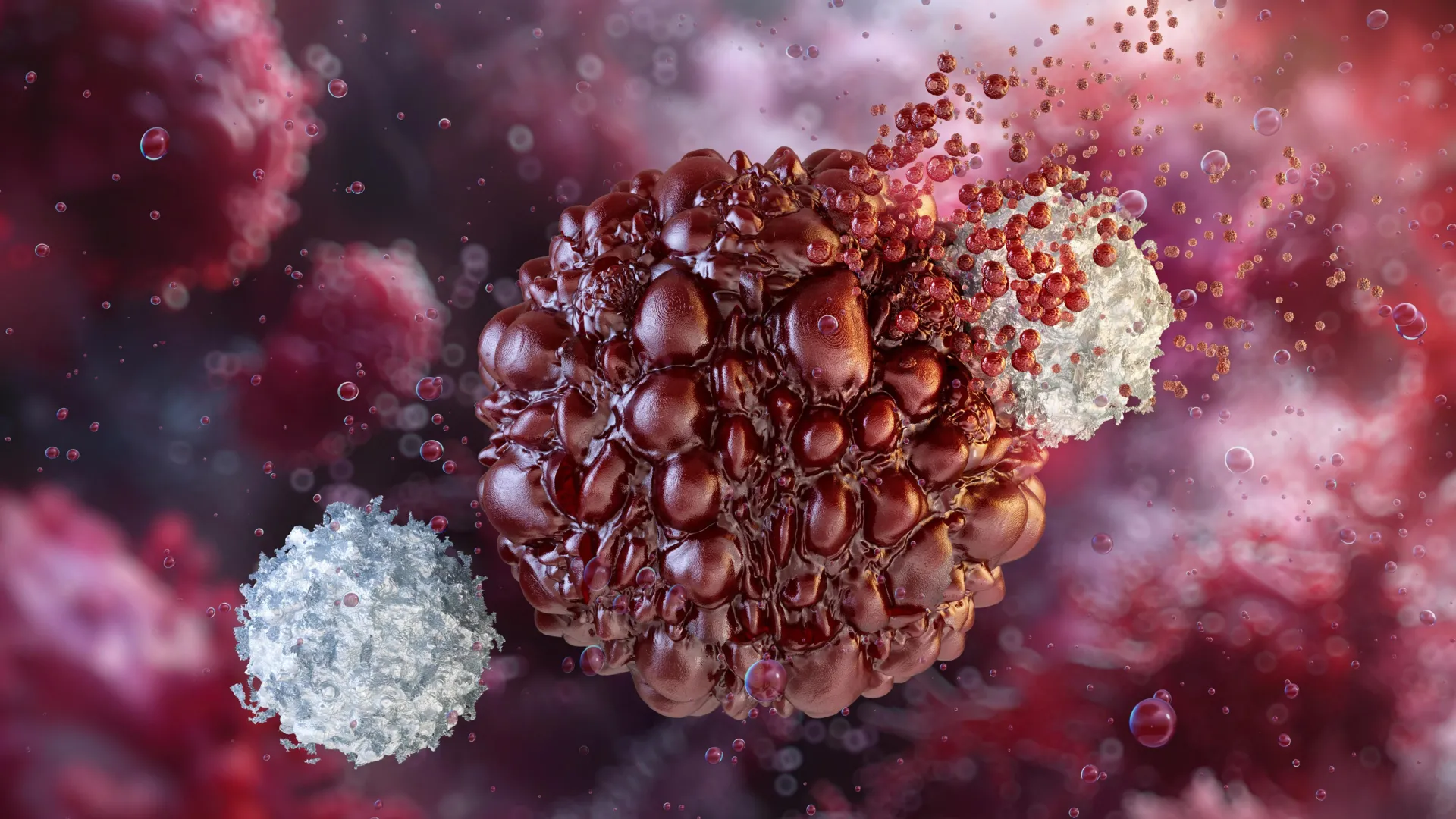
The research team’s meticulous investigation revealed that C3 generated directly within the tumor’s confines acts as a crucial gatekeeper, effectively preventing the infiltration of immunosuppressive myeloid cells. These particular immune cells are notorious for their ability to dampen the host’s anti-tumor immune response, thereby creating a permissive environment for cancer growth and evasion. By acting as a deterrent, locally produced C3 clears the path for the body’s effector immune cells to more effectively recognize and target malignant cells, thereby augmenting the efficacy of immunotherapy.
These findings underscore the profound significance of C3 as a key regulator in the context of cancer immunotherapy, a revolutionary treatment modality that empowers the immune system to identify and eliminate cancerous cells. To disentangle the effects of systemically circulating C3 from that produced locally, the scientists devised sophisticated experiments in mouse models. These experimental designs allowed for the precise differentiation of C3 originating from the liver versus C3 synthesized within the tumor.
Remarkably, when the researchers artificially reduced the levels of liver-produced C3 by a substantial 90%, the effectiveness of a common immunotherapy drug, an anti-PD-1 antibody, remained unimpaired. This indicated that the systemic supply of C3, under normal conditions, was not the limiting factor in the therapy’s success.
The therapeutic outcome, however, dramatically shifted when the researchers engineered a condition where fibroblasts within the tumor were prevented from producing C3. In this scenario, the identical immunotherapy treatment experienced a significant decline in efficacy. This occurred even though the overall level of circulating C3 in the bloodstream decreased by a relatively minor 9%.
"What ultimately determined the efficacy of the immunotherapy treatment was not the C3 circulating in the blood, but rather the C3 generated locally at the tumor site," Miyai elaborated. "When this localized C3 undergoes degradation, it yields a fragment known as iC3b, which plays a critical role in preventing the ingress of these detrimental myeloid cells into the tumor. Consequently, immunotherapy is far more likely to achieve a positive outcome."
This pivotal insight led the researchers to explore strategies for overcoming immunotherapy resistance in cancers that typically exhibit a recalcitrant response to such treatments. They investigated a novel therapeutic approach involving a drug engineered to mimic the inhibitory action of C3 on myeloid cell infiltration into tumors.
This innovative strategy proved successful, enabling immunotherapy to effectively combat tumors that had previously been resistant to treatment. Furthermore, this intervention led to a significant extension of survival duration in the experimental mouse models. The implications of these findings are far-reaching, potentially enabling clinicians to better identify patient populations who are most likely to benefit from existing immunotherapies. Moreover, it opens avenues for the development of novel therapeutic interventions for cancers that initially fail to respond to current treatments.
The validity of these findings was further corroborated by an examination of human lung cancer tissue samples. Patients exhibiting higher concentrations of C3 within the tissue surrounding their cancer cells demonstrated superior treatment outcomes and prolonged survival. Specifically, approximately half of the patients with elevated local C3 levels responded favorably to immunotherapy. In stark contrast, none of the patients with lower levels of tumor-associated C3 exhibited a response. Echoing the observations from the mouse studies, C3 levels detected in the bloodstream did not correlate with the success of the treatment.
The research team is now focused on the next critical steps in translating these discoveries into tangible clinical benefits. Their immediate plans involve investigating methods to augment C3 levels specifically within tumor sites and to determine the optimal timing for administering such interventions to maximize therapeutic impact.
Beyond the immediate implications for cancer therapy, the researchers believe that a deeper understanding of the localized biological activities of C3 could significantly enhance our comprehension of other fundamental biological processes. These include the intricate mechanisms of wound healing and the precise regulation of inflammatory responses, both of which involve complex cellular interactions and signaling pathways. This ancient protein, it appears, holds secrets that extend far beyond its role in fighting cancer.
About the Author