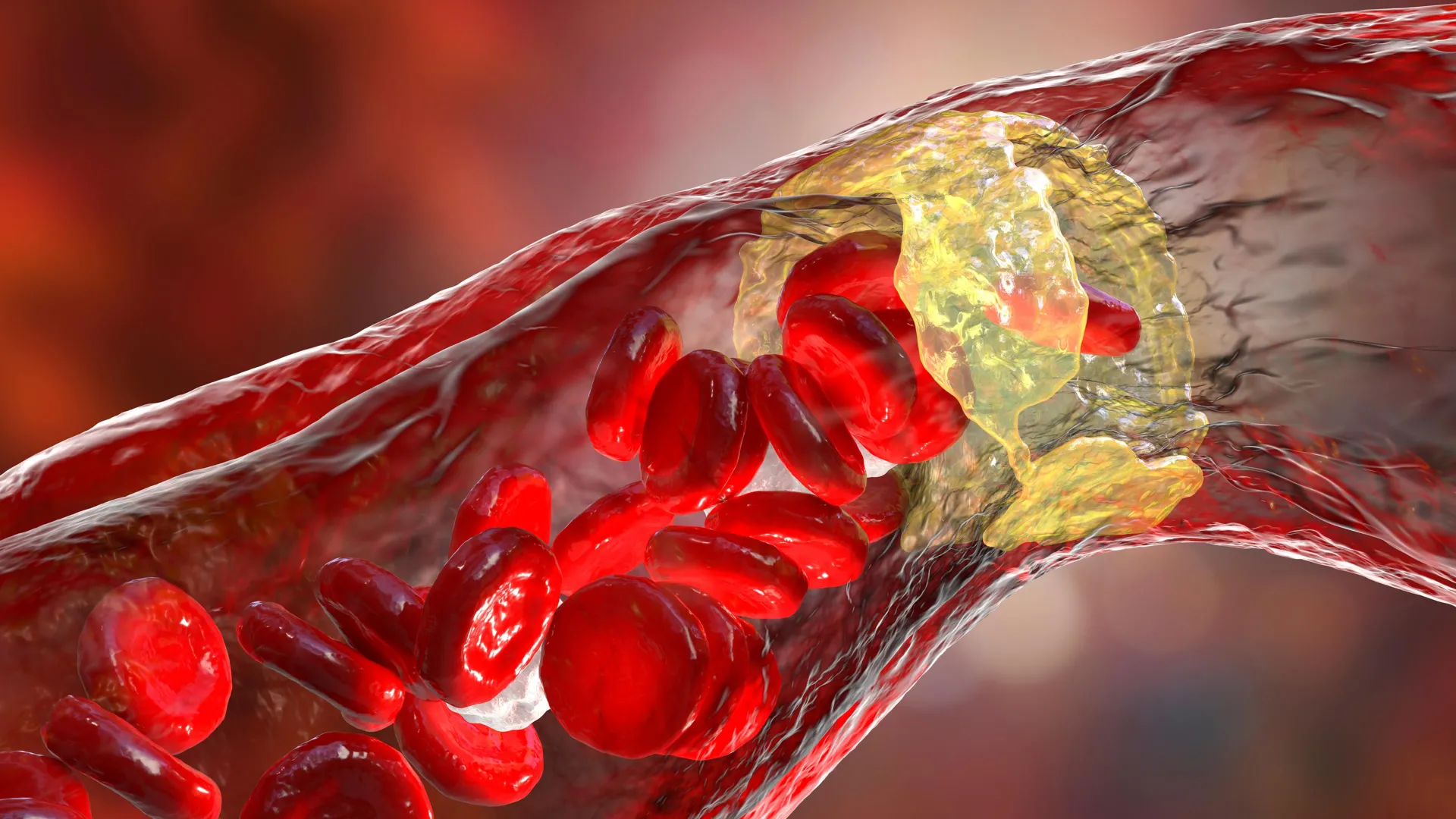
A groundbreaking clinical trial has illuminated a significant new frontier in cardiovascular disease prevention, demonstrating that the PCSK9 inhibitor evolocumab, when added to standard lipid-lowering therapies, can substantially diminish the likelihood of a first major cardiovascular event among individuals with diabetes who face elevated risk but have not yet developed diagnosed atherosclerosis. These pivotal findings, presented at the prestigious American College of Cardiology’s Annual Scientific Session & Expo and concurrently published in the esteemed medical journal JAMA, challenge long-held clinical paradigms regarding the timing of aggressive cholesterol management.
For an extended period, intensive lipid-lowering strategies have been primarily reserved for patients already diagnosed with established cardiovascular disease, such as those who have experienced a heart attack or stroke, or who exhibit clear signs of arterial plaque buildup. However, the recent research, spearheaded by investigators at Mass General Brigham, offers compelling evidence that intervening earlier, even in the absence of overt atherosclerosis, can yield profound protective benefits. "These results underscore the advantage of initiating aggressive cholesterol reduction sooner in the disease process," stated Dr. Nicholas A. Marston, MD, MPH, a leading cardiologist with the Mass General Brigham Heart and Vascular Institute and the study’s corresponding author. "This evidence should prompt a reevaluation of our current approaches to preventing heart attacks, strokes, and other cardiovascular ailments in individuals who, despite not having diagnosed significant atherosclerosis, are nonetheless at heightened risk due to conditions like diabetes."
The global burden of heart disease remains immense, consistently ranking as the primary cause of mortality worldwide. A cornerstone of cardiovascular risk mitigation has long been the reduction of low-density lipoprotein cholesterol (LDL-C), commonly referred to as "bad cholesterol." Elevated LDL-C levels are a well-established contributor to the development of atherosclerosis, a condition characterized by the gradual accumulation of fatty deposits, or plaque, within the walls of arteries. This plaque buildup can narrow the arteries, restricting blood flow and increasing the risk of clot formation, which can lead to heart attacks and strokes. Evolocumab, a member of the PCSK9 inhibitor class of medications, has demonstrated remarkable efficacy in lowering LDL-C, capable of reducing levels by approximately 60% when used in conjunction with statins, the current gold standard for cholesterol management. While statins are widely prescribed, individuals who are at high risk for cardiovascular events but lack diagnosed atherosclerosis typically receive only statin therapy, if any medication at all.
The findings emerge from a meticulously designed subgroup analysis of the VESALIUS-CV randomized controlled trial, an initiative generously supported by Amgen Inc. This analysis focused on a cohort of 3,655 participants who were living with high-risk diabetes but did not present with significant atherosclerosis. The criteria for high-risk diabetes in this study encompassed individuals who had the condition for a decade or more, required daily insulin therapy to manage their blood sugar, or exhibited evidence of diabetes-related microvascular damage, indicating the disease’s impact on smaller blood vessels. Participants were randomized to receive either subcutaneous injections of evolocumab administered every two weeks or a placebo. Throughout the trial, all participants continued to adhere to their prescribed standard cholesterol-lowering regimens, which could include statins and ezetimibe, a drug that further inhibits cholesterol absorption.
The impact of evolocumab on cholesterol levels was nothing short of dramatic. After a period of 48 weeks, participants receiving evolocumab alongside their standard treatment experienced substantially greater reductions in LDL-C compared to those in the placebo group. The median LDL-C levels in the evolocumab arm plummeted to approximately 51% lower than in the placebo arm, with average levels of 52 mg/dL in the treatment group versus 111 mg/dL in the placebo group. This significant and sustained reduction in LDL-C is a critical factor in mitigating the progression of atherosclerosis and preventing cardiovascular events.
Over an extended follow-up period of nearly five years, the clinical outcomes were equally compelling. Individuals who received evolocumab in addition to their existing standard therapy demonstrated a statistically significant 31% reduction in the incidence of their first major adverse cardiovascular event. This composite endpoint included critical outcomes such as death attributed to coronary heart disease, myocardial infarction (heart attack), and ischemic stroke, which occurs when blood supply to the brain is interrupted. Specifically, at the five-year mark, only 5% of patients in the evolocumab group experienced one of these serious cardiovascular events, a notable contrast to the 7.1% observed in the placebo group. This difference, while seemingly modest in percentage points, represents a substantial reduction in the absolute number of potentially life-altering or fatal events for a high-risk population.
Regarding safety, the study reported no significant differences in the incidence of serious adverse events between the evolocumab group and the placebo group. This finding suggests that the addition of evolocumab to standard therapy is generally well-tolerated and does not introduce substantial new safety concerns in this patient population. This favorable safety profile is crucial for widespread clinical adoption, particularly in individuals who may be on multiple medications for their diabetes and other comorbidities.
While these results represent a significant advancement, the researchers acknowledge the need for further investigation. Future studies are essential to ascertain whether the observed benefits of evolocumab extend to other groups of individuals who are at high cardiovascular risk but do not yet have established atherosclerosis. Exploring its efficacy in diverse patient demographics and with varying degrees of risk factors will be vital in fully understanding its potential to reshape preventative cardiovascular care.
The research team responsible for these groundbreaking insights includes a dedicated group of Mass General Brigham contributors, such as Erin A. Bohula, Jeong-Gun Park, Sabina A. Murphy, Ron Blankstein, Robert P. Giugliano, and Marc S. Sabatine. They were joined by a broader international collaboration of researchers including Ajay K. Bhatia, Gaetano M. De Ferrari, Lawrence A. Leiter, Jose C. Nicolau, Emileigh Walsh, Lyrica Liu, Subodh Verma, Naveed Sattar, Stephen J. Nicholls, Jose Lopez-Sendon, Ioanna Gouni-Berthold, Lale Tokgozoglu, Marcoli Cyrille, and Gabriel Paiva da Silva Lima. Declarations of interest and funding sources are transparently disclosed, with the TIMI Study Group, a research collaborative based at Brigham and Women’s Hospital, reporting grant support from Amgen and other pharmaceutical entities. Several authors disclosed receiving personal fees or honoraria from Amgen for lectures and advisory roles, while others are employed by and hold stock in Amgen. Ron Blankstein reported research support and consulting fees from Amgen Inc. Further detailed disclosures for all authors are available within the published paper. The pivotal VESALIUS-CV trial was primarily funded by Amgen Inc., underscoring the company’s commitment to advancing cardiovascular research.
About the Author