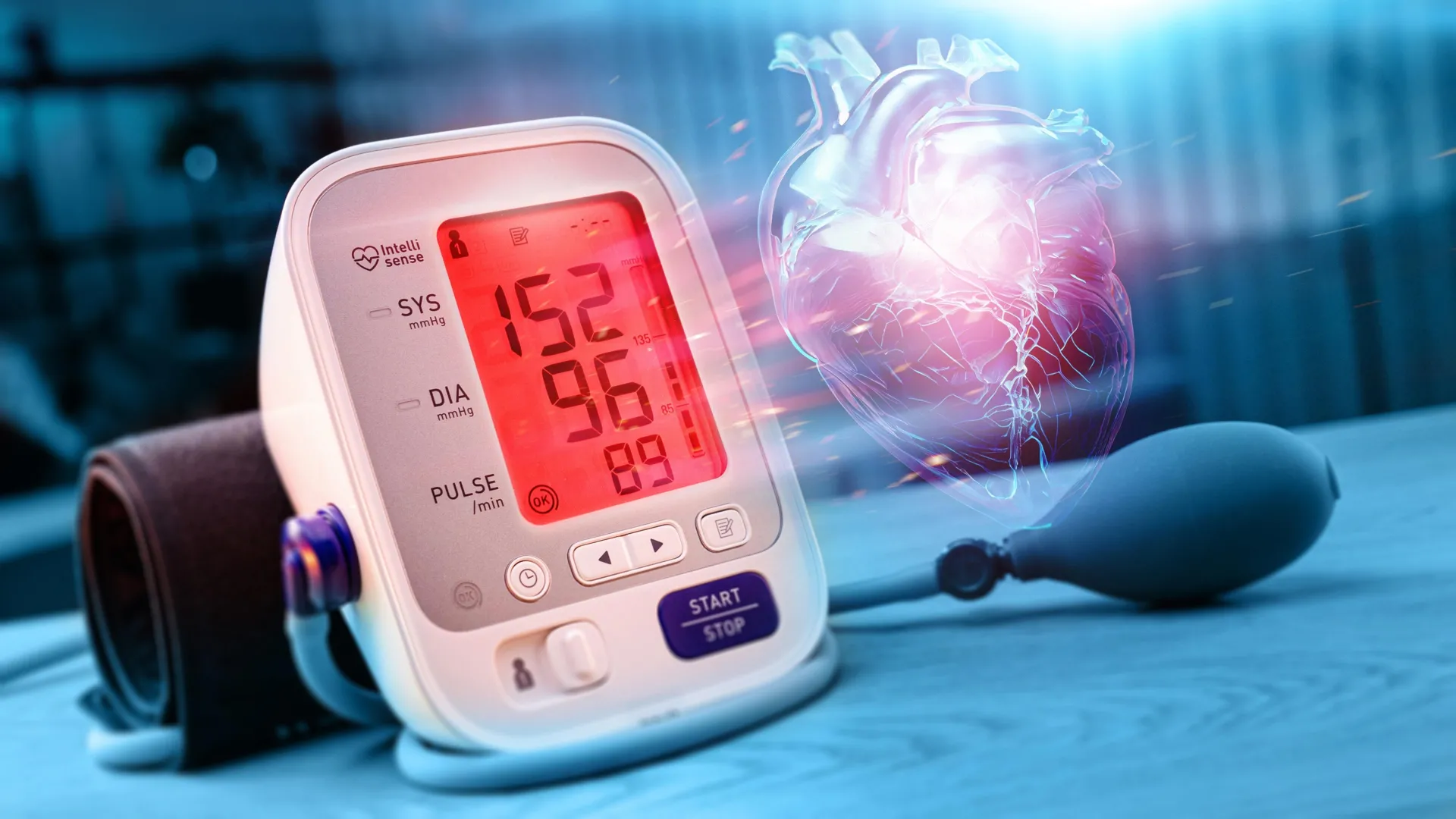
A significant recent investigation, dubbed the MOMENTUM study, has brought to light a previously underestimated factor contributing to a challenging medical condition: elevated cortisol levels, commonly known as hypercortisolism. The study’s findings indicate that a substantial 27% of individuals diagnosed with resistant hypertension exhibit this hormonal imbalance, a figure that significantly surpasses prior clinical and research expectations. This revelation carries profound implications for understanding and potentially treating a widespread health concern that affects millions.
Resistant hypertension, a classification for blood pressure that stubbornly defies conventional treatment, is defined by its persistence even after a patient has been prescribed and is adhering to a regimen of three or more distinct antihypertensive medications. In the United States alone, this condition impacts an estimated 10 million individuals, presenting a formidable clinical puzzle. As medical science advances, there is a growing recognition that the efficacy of standard therapeutic approaches can be undermined by underlying, often undiagnosed, physiological conditions. Hypercortisolism has emerged as a prime candidate among these hidden culprits.
The body’s intricate hormonal system relies on cortisol, often colloquially referred to as the "stress hormone," to orchestrate its responses to various stressors. This vital hormone plays a crucial role in numerous bodily functions, including metabolism, immune response, and the regulation of blood pressure. However, when the adrenal glands, responsible for cortisol production, malfunction or are overstimulated, leading to a chronic surplus of this hormone, the consequences can be far-reaching and detrimental. Prolonged exposure to excessive cortisol can disrupt numerous bodily systems, contributing to a cascade of health issues.
The clinical significance of identifying hypercortisolism in the context of resistant hypertension cannot be overstated, particularly concerning cardiovascular health. Individuals grappling with blood pressure that resists management are already at an elevated risk for severe cardiac events, including myocardial infarction (heart attack) and heart failure. Simultaneously, hypercortisolism itself is independently associated with a spectrum of serious complications. These can manifest as rapid and often difficult-to-manage weight gain, a progressive decline in muscle mass (sarcopenia), and the development or exacerbation of diabetes mellitus. The confluence of these conditions paints a grim picture of increased morbidity and mortality.
The MOMENTUM study’s findings offer a compelling explanation for why a subset of patients with resistant hypertension prove so recalcitrant to standard treatment protocols. By pinpointing excess cortisol as a contributing factor, researchers have opened a new avenue for therapeutic intervention. If hypercortisolism is indeed a significant driver of uncontrolled blood pressure in these individuals, then addressing and normalizing cortisol levels could represent a novel and effective strategy for achieving blood pressure control where conventional methods have faltered. This paradigm shift could fundamentally alter treatment algorithms for a substantial patient population.
The MOMENTUM study holds the distinction of being the most extensive investigation of its kind conducted within the United States to date, specifically designed to quantify the prevalence of hypercortisolism among patients diagnosed with resistant hypertension. The study’s design and execution involved a rigorous methodology, drawing participants from a wide geographical spread across 50 leading medical centers nationwide, underscoring its robust and representative nature. One notable participating institution was the Mount Sinai Health System in New York, contributing to the study’s broad reach.
A total of 1,086 carefully selected participants were enrolled in the study. Following confirmation of their eligibility based on established criteria for resistant hypertension, each individual underwent a standardized diagnostic procedure known as the dexamethasone suppression test. This test, a cornerstone in the evaluation of adrenal function, involves administering a synthetic corticosteroid, dexamethasone, typically in the evening. The following morning, blood samples are collected to meticulously measure the body’s cortisol output. The threshold for classifying a patient as exhibiting hypercortisolism was set at cortisol levels exceeding 1.8 micrograms per deciliter (ug/dL), a scientifically determined benchmark indicative of an overproduction.
The results of this comprehensive screening were striking. Among the 1,086 participants evaluated, a total of 297 individuals were found to have hypercortisolism, translating directly to the 27% prevalence rate that has generated significant interest within the medical community. Beyond this primary finding, the study also meticulously identified specific patient characteristics and co-existing conditions that appear to correlate with an increased likelihood of also having elevated cortisol levels. For instance, individuals who presented with compromised kidney function, a common comorbidity in hypertensive patients, demonstrated a statistically higher probability of exhibiting hypercortisolism.
Furthermore, the MOMENTUM study delved into the interplay of hormonal disorders, specifically examining another condition frequently associated with resistant hypertension: primary hyperaldosteronism. This condition arises when the adrenal glands overproduce aldosterone, a hormone critical for regulating sodium and potassium balance and, consequently, blood pressure. The study found that approximately 20% of the participants had primary hyperaldosteronism. Significantly, a notable overlap was observed, with roughly 6% of the cohort exhibiting evidence of both hypercortisolism and primary hyperaldosteronism, suggesting potential synergistic effects in driving hypertension.
These compelling findings carry direct and actionable recommendations for both clinicians and patients. The data strongly suggests that physicians should incorporate the possibility of elevated cortisol levels into their diagnostic considerations for patients presenting with resistant hypertension. Proactive screening of individuals identified as being at higher risk—such as those with impaired kidney function or co-existing primary hyperaldosteronism—is now strongly advocated. The relative simplicity of the diagnostic testing, coupled with the often-frustrating search for answers among patients struggling with uncontrolled blood pressure, makes this recommendation particularly pertinent. Many patients are actively seeking an underlying cause for their persistent hypertension.
Consequently, patients whose blood pressure remains stubbornly high despite rigorous adherence to multiple prescribed medications are encouraged to proactively engage with their healthcare providers. Initiating a conversation about the potential benefits of screening for hypercortisolism could lead to a more accurate diagnosis and, subsequently, more effective treatment strategies. This empowers patients to become active participants in managing their complex health conditions.
The implications of these findings have been echoed by leading medical experts. Dr. Deepak L. Bhatt, a distinguished physician with multiple advanced degrees and extensive clinical experience, emphasized the paradigm shift these results represent. He noted that the observation of elevated cortisol in over a quarter of patients with resistant hypertension starkly contrasts with the historical understanding previously imparted in medical education. Dr. Bhatt underscored that these findings should serve as a powerful impetus for increased screening for excess cortisol levels in this patient demographic. He further articulated the crucial next steps for advancing this research, highlighting the necessity of conducting randomized controlled trials. Such trials, he explained, are essential to definitively ascertain whether therapeutic interventions designed to mitigate the effects of cortisol can be employed safely and effectively to lower blood pressure in patients with resistant hypertension.
The MOMENTUM study was made possible through the financial support of Corcept Therapeutics Incorporated, a company involved in developing treatments for endocrine disorders. It is noteworthy that Dr. Bhatt serves as a paid consultant for Corcept Therapeutics Incorporated. The findings of the MOMENTUM study were presented at the American College of Cardiology’s Annual Scientific Session, a prominent forum for the dissemination of cutting-edge cardiovascular research.
About the Author