As individuals progress into their sixth decade and beyond, the preservation of physical autonomy and robust health becomes a paramount concern, often centered on maintaining muscle mass and strength. This critical aspect of healthy aging directly impacts daily living, influencing everything from the ease of performing household chores to the confidence in navigating varied environments. While conventional wisdom frequently points to weight training as the primary method for muscle development, a growing body of expert opinion, supported by contemporary understanding of biomechanics and geriatric physiology, suggests that functional standing exercises may offer a more comprehensive and effective pathway for older adults, particularly those over the age of sixty. These movements prioritize real-world applicability, focusing on the integrated strength, balance, and coordination essential for an independent lifestyle, rather than isolated muscle hypertrophy.
The physiological phenomenon underpinning much of the age-related decline in physical capacity is sarcopenia, an involuntary loss of skeletal muscle mass, strength, and function. This condition is not merely an aesthetic concern; it profoundly affects metabolic health, increases the risk of falls, impairs mobility, and significantly diminishes an individual’s quality of life. Beginning as early as the third decade of life, sarcopenia accelerates after age 60, with muscle mass declining by approximately 3-8% per decade. Contributing factors include hormonal shifts, reduced physical activity, inadequate protein intake, and chronic inflammation. Compounding this challenge, the aging process also brings about changes in connective tissues, leading to increased joint stiffness and decreased elasticity in tendons. These alterations can impede the rapid recruitment of muscle fibers and diminish the efficiency with which muscular strength translates into controlled, coordinated movement, particularly in crucial areas like the hips and core. Consequently, even active seniors may find their ability to react quickly or maintain stability compromised, despite possessing a degree of underlying strength.
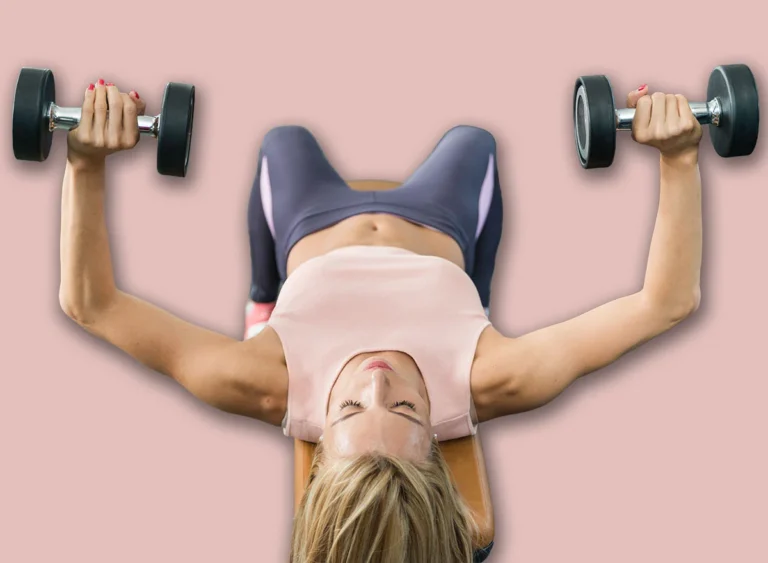
Traditional resistance training, often involving seated or machine-based exercises, undoubtedly offers significant benefits for muscle building, bone density, and overall strength development. However, for the specific needs of an aging population aiming to enhance functional independence and reduce fall risk, its limitations become apparent. Isolated movements, while effective for targeting specific muscle groups, may not adequately prepare the body for the complex, multi-joint, and balance-demanding tasks encountered in daily life. A bicep curl, for instance, strengthens the biceps but does not directly train the coordination required to lift a grocery bag, which involves core stability, grip strength, and leg engagement. Machines often provide external stability, negating the need for intrinsic core and stabilizing muscle activation that is vital for real-world balance.
In contrast, functional standing exercises compel the body to work as an integrated unit, engaging multiple muscle groups, challenging balance, and improving neuromuscular coordination – the intricate communication between the brain and muscles. Dr. Andrew Gorecki, a Doctor of Physical Therapy and owner of MovementRX in Michigan, with over 15 years of clinical experience, emphasizes this distinction. He highlights that for older adults, the goal extends beyond mere strength to achieving "control" – the ability to effectively utilize strength for movement, balance, and reaction. Dr. Gorecki advocates for standing exercises as a superior modality for rebuilding this functional strength and enhancing overall balance, explaining that they significantly boost movement fluidity in day-to-day life while concurrently mitigating the critical risk of falls. He further recommends performing these exercises barefoot or in flat-soled footwear to optimize foot stability and proprioception – the body’s awareness of its position in space. By removing the cushioning and support of conventional shoes, the intrinsic muscles of the feet are activated, and sensory input from the ground is enhanced, contributing to a more robust foundation for balance.
Dr. Gorecki outlines four specific standing exercises that exemplify this functional approach, each targeting essential movement patterns and muscle groups vital for sustained independence:
1. Sit-to-Stands (Chair Squats): This foundational movement is arguably one of the most practical exercises for daily living. It directly mimics the action of rising from a chair, a toilet, or a car seat – tasks that become progressively challenging with age and diminished lower body strength. The sit-to-stand exercise effectively engages major muscle groups in the lower body, including the quadriceps (front of thighs), hamstrings (back of thighs), and glutes (buttocks), while also demanding significant core stabilization to maintain an upright posture during the transition. To perform, begin by sitting in a sturdy chair with feet flat on the floor, hip-width apart. Lean slightly forward, engaging the core, and push through the heels to stand up fully, avoiding using hands for support if possible. Control the descent back to the chair, ensuring the movement is slow and deliberate. This exercise not only builds leg and glute strength but also improves dynamic balance and coordination, making everyday transitions smoother and safer.
2. Standing Hip Hinges: The hip hinge is a fundamental human movement pattern, crucial for bending over to pick up objects, gardening, or tying shoelaces, all while protecting the spine. Unlike a squat, which primarily emphasizes knee flexion, the hip hinge focuses on pushing the hips backward, maintaining a relatively straight back, and only slightly bending the knees. This movement primarily targets the posterior chain muscles: the glutes, hamstrings, and erector spinae (lower back muscles). Strengthening these muscles is essential for both power and injury prevention, particularly for the lower back. To execute a standing hip hinge, stand tall with feet hip-width apart. Place hands lightly on the hips or hold a light object. Initiate the movement by pushing the hips straight back, allowing a slight bend in the knees, and leaning forward from the hips while keeping the back straight and chest up. Imagine pushing a door closed with your glutes. The movement should come from the hips, not the lower back. Return to the starting position by squeezing the glutes and pushing the hips forward. This exercise reinforces proper lifting mechanics, which is vital for preventing strain and injury during daily tasks.
3. Lateral Band Walks: While many exercises focus on forward and backward motion, lateral (side-to-side) stability is critically important for navigating uneven terrain, stepping sideways to avoid obstacles, and preventing falls. Lateral band walks specifically target the hip abductors – the muscles on the outer thigh and glutes (gluteus medius and minimus) – which are responsible for moving the leg away from the body’s midline and stabilizing the pelvis during walking. These muscles often weaken with age and can contribute to gait instability. To perform, place a resistance band around the ankles, just above the knees, or around the feet. Begin in a slightly squatted, athletic stance with feet hip-width apart and tension in the band. Take small, controlled steps sideways, maintaining tension in the band throughout the movement. Keep the toes pointed forward and avoid dragging the trailing foot. Focus on engaging the outer glutes with each step. This exercise significantly improves hip stability, enhances balance, and strengthens muscles crucial for lateral movements and knee health.
4. Single-Leg Balance with Reach: This dynamic exercise elevates balance training by incorporating movement and reaching, closely mimicking real-life scenarios such as reaching for an object while standing or navigating a crowded space. It challenges not only static balance but also the body’s ability to maintain equilibrium while performing other actions. The exercise engages a complex network of muscles, including the ankle stabilizers, intrinsic foot muscles, core musculature, and hip abductors. To perform, stand on one leg, maintaining a slight bend in the knee. Extend the opposite arm forward or to the side, reaching out as if to touch an object, while keeping the standing leg stable. The reach can be varied – forward, sideways, or even diagonally – to challenge balance from different angles. Focus on controlled movement and a stable core. For added challenge, perform the reach with the opposite hand and leg, or incorporate a light weight. This exercise significantly enhances proprioception, improves dynamic balance, and strengthens the muscles responsible for preventing falls during walking and other daily activities.
Incorporating these types of functional standing exercises into a regular routine can profoundly impact the physical well-being and independence of adults over sixty. Beyond the specific exercises, consistency is key, and individuals should aim for regular engagement, ideally several times a week. It is also imperative to remember that any new exercise regimen should be discussed with a healthcare professional, especially for those with pre-existing conditions or concerns. While exercise forms the cornerstone of muscle maintenance, it is also beneficial to consider complementary factors such as adequate protein intake and overall nutrition, which provide the necessary building blocks for muscle repair and growth. By adopting a holistic approach that prioritizes functional movement, older adults can proactively counter the effects of sarcopenia, bolster their balance, and continue to enjoy an active, independent, and fulfilling life.
About the Author