
As individuals progress through their later years, maintaining robust physical health becomes paramount for preserving independence, enhancing quality of life, and mitigating the risks associated with aging. Among the foundational components of physical fitness, core strength and hip stability stand out as particularly crucial for older adults. These elements underpin virtually every movement, from walking and balancing to rising from a chair or lifting objects. A well-conditioned core and strong gluteal muscles are not merely about aesthetics; they are vital for functional movement, preventing falls, and alleviating common ailments such as lower back pain. While many exercises target these muscle groups, the glute bridge stands out as an exceptionally effective, accessible, and insightful diagnostic tool for assessing an individual’s lumbopelvic strength and coordination, particularly for those over the age of 60.
The glute bridge, often underestimated due to its apparent simplicity, is a sophisticated compound movement that simultaneously engages multiple muscle groups essential for stability and power. It provides a holistic assessment of the body’s ability to create a stable base, primarily targeting the gluteus maximus, hamstrings, and the entire core musculature, including the abdominal wall and the deeper stabilizing muscles of the spine. Unlike exercises that isolate a single muscle, the glute bridge demands synergistic activation, meaning these muscle groups must work together harmoniously. This integrated demand makes it an excellent indicator of functional strength – the kind of strength needed for real-world activities. For seniors, where muscle mass naturally declines with age (a process known as sarcopenia), exercises like the glute bridge are invaluable not just for testing but also for countering this decline, thereby safeguarding mobility and reducing frailty.
The profound benefits of incorporating glute bridge holds into a regular fitness regimen extend far beyond a simple strength assessment. One of its most significant advantages is its role in preventing and alleviating lower back pain, a pervasive issue affecting a substantial portion of the senior population. Often, lower back discomfort arises from imbalances where the hip flexors become tight and overactive, while the glutes and core become weak and underactive. The glute bridge directly addresses this imbalance by strengthening the posterior chain – the muscles on the back of the body – which helps restore proper pelvic alignment and reduce excessive arching in the lower back. By promoting a neutral spine position and strengthening the muscles responsible for hip extension, the exercise can significantly reduce strain on the lumbar region. Furthermore, by activating the glutes, which are frequently neglected in sedentary lifestyles, it helps improve gait mechanics and overall postural stability.

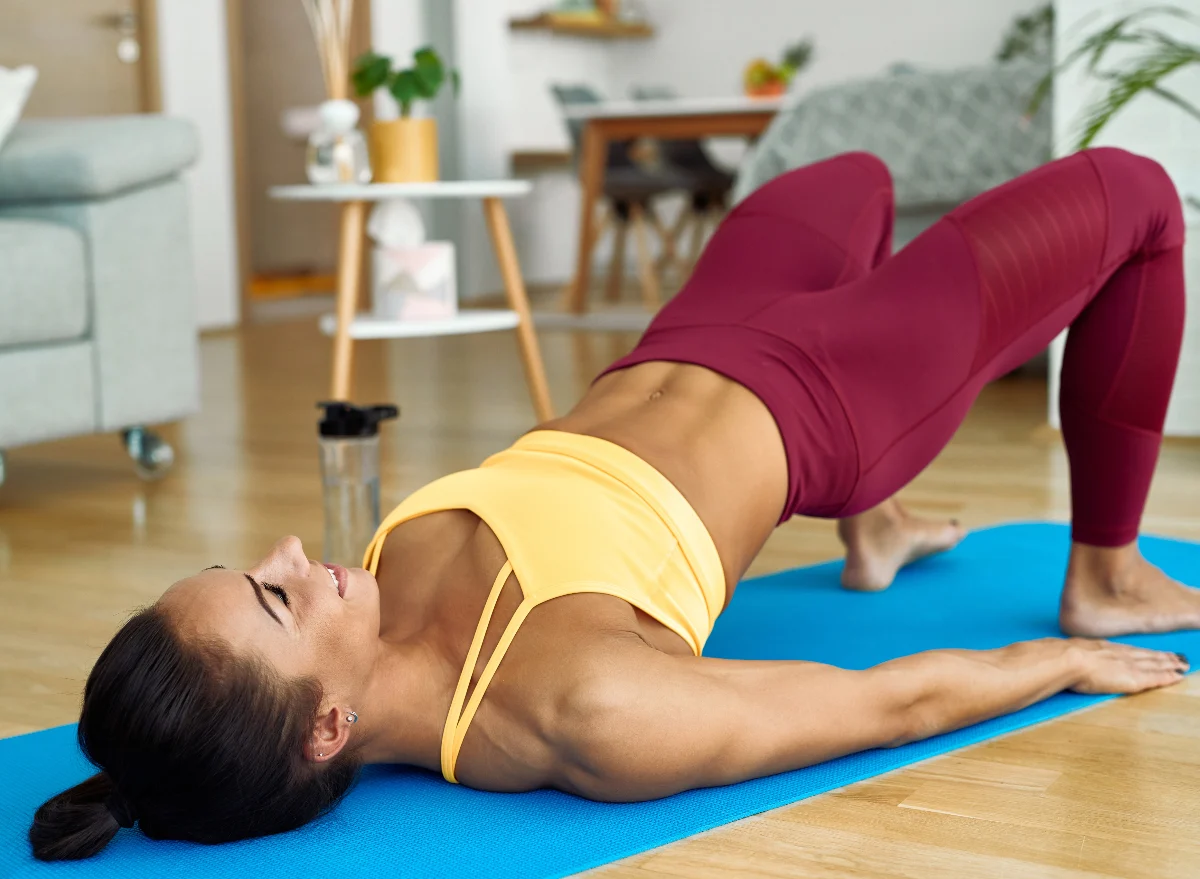
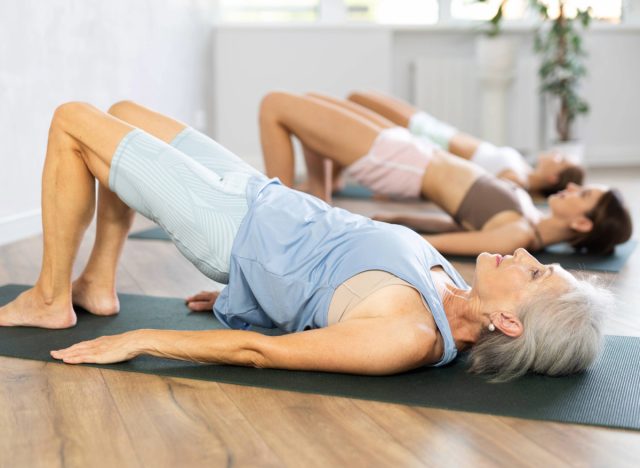
Performing the glute bridge correctly is fundamental to maximizing its benefits and ensuring safety, especially for older adults who may have pre-existing conditions or limitations. The exercise begins by lying supine on the floor, typically on an exercise mat, with knees bent and feet positioned flat on the ground. Crucially, the feet should be roughly hip-width apart, placed at a distance where the fingertips can just graze the heels when the arms are extended alongside the body. This specific foot placement ensures optimal leverage for glute activation and minimizes strain on the knees. The shins should ideally form a 90-degree angle with the floor, creating a stable base. Before initiating the lift, it is essential to brace the abdominal muscles, as if preparing for a gentle impact, which helps to stabilize the lumbar spine and engage the deep core.
The movement itself involves pressing firmly through the heels and mid-foot, simultaneously squeezing the gluteal muscles, to lift the hips off the ground. The goal is to elevate the pelvis until the body forms a straight line from the shoulders through the hips to the knees. This alignment indicates full hip extension and proper engagement of the glutes and hamstrings. Throughout the hold, maintaining this straight line is paramount; individuals should actively resist any tendency for the hips to sag or twist, which would indicate a loss of form and diminished muscle engagement. Breathing should remain consistent and controlled, avoiding the Valsalva maneuver (holding one’s breath). The hold concludes when the individual can no longer maintain the extended hip position with impeccable form, or if any discomfort arises, particularly in the lower back. Recording the duration of this hold provides an objective measure of endurance and strength.
For individuals over the age of 60, specific benchmarks can help contextualize their glute bridge hold times, offering insights into their current level of core and hip strength. While these are general guidelines, individual variations in health, fitness history, and physical capabilities should always be considered. A hold time of 30 seconds is often regarded as a commendable standard, suggesting a foundational level of core and gluteal endurance that supports daily functional movements and helps mitigate the risk of common age-related musculoskeletal issues. Achieving this duration signifies adequate strength for tasks like walking briskly, climbing stairs without undue strain, and maintaining balance.
Surpassing the 60-second mark, especially while meticulously adhering to proper form, positions an individual’s core and hip strength as truly exceptional for their age group. This achievement reflects not only remarkable muscular endurance but also superior neuromuscular control and stability, indicative of a significantly reduced risk of falls and enhanced capacity for more demanding physical activities. Individuals able to sustain such a hold typically experience greater ease in performing complex movements, enjoy robust spinal health, and possess a strong foundation for an active, independent lifestyle well into their later years. Conversely, hold times significantly shorter than 30 seconds suggest a need for targeted improvement in core and gluteal strength, highlighting areas where focused exercise could yield substantial benefits in terms of functional ability and injury prevention.
For those looking to improve their glute bridge hold times and, by extension, their overall core and hip strength, a progressive and consistent approach is key. Starting with shorter, manageable sets is often the most effective strategy. If an initial hold time is only 15 to 20 seconds, beginning with two sets of 5 to 10 seconds allows the muscles to adapt without excessive fatigue or compromising form. As these shorter durations become less challenging, individuals can gradually increase the number of sets to three, and then progressively extend the duration of each hold to 15 seconds or more. This incremental increase in time under tension builds muscular endurance and resilience over time. Consistency is more important than intensity in the early stages; performing the exercise several times a week will yield better results than sporadic, intense sessions.
Once the standard glute bridge becomes relatively easy to hold for extended periods, incorporating progressive overload techniques can further challenge the muscles and stimulate continued growth. One common method is to add external resistance. Placing a light dumbbell, kettlebell, or even a weighted plate across the hips (with a soft pad for comfort) significantly increases the load the glutes and hamstrings must lift and stabilize. Starting with a modest weight and gradually increasing it as strength improves can lead to substantial gains. Another advanced variation involves performing a single-leg glute bridge. This modification requires lifting one foot off the ground, keeping the leg straight or bent, while performing the bridge movement with the other leg. This unilateral exercise dramatically increases the demand on the stabilizing muscles of the core and the glute of the working leg, enhancing balance and addressing potential strength imbalances between the two sides of the body. When attempting these advanced variations, it is prudent to revert to shorter hold times, perhaps 15 to 20 seconds initially, and gradually build endurance back up to the 60-second target.
In conclusion, the glute bridge is more than just an exercise; it is a powerful diagnostic and developmental tool for maintaining and enhancing functional fitness in the senior population. Its ability to simultaneously engage and strengthen the core, glutes, and lower back makes it invaluable for preserving mobility, preventing falls, alleviating chronic pain, and supporting an active lifestyle. By understanding proper technique, interpreting hold times, and implementing progressive training strategies, older adults can unlock significant improvements in their physical capabilities, ensuring that they continue to move with confidence, stability, and resilience well into their golden years. This simple yet profound movement serves as a testament to the idea that age is not a barrier to building and maintaining a strong, capable body.
About the Author










