Dynamic Morning Routines for Sustained Mobility and Enhanced Well-being in Older Adults
As individuals progress through their sixties and beyond, a common physiological shift involves a gradual reduction in joint flexibility and an increase in muscular stiffness, particularly noticeable upon waking. This morning rigidity, often characterized by a feeling of resistance in the limbs and torso, stems from several factors intrinsic to the sleep cycle and the aging process itself. During extended periods of inactivity, such as overnight sleep, synovial fluid – the natural lubricant within joints – becomes less viscous, leading to a sensation of "stickiness." Furthermore, muscles can subtly shorten, and circulation naturally slows, contributing to an overall feeling of tightness. While these changes are a normal aspect of maturation, they do not necessitate a permanent decline in physical freedom. Proactive engagement with specific movement strategies can significantly counteract these effects, fostering greater ease and comfort throughout the day.
For many years, static stretching, often exemplified by various yoga poses, has been lauded for its benefits in improving flexibility and promoting relaxation. Indeed, yoga offers profound advantages for both physical and mental well-being. However, when the primary objective is to rapidly restore functional mobility and prepare the body for the dynamic demands of daily life immediately after waking, a different approach frequently proves more efficacious. Dynamic mobility exercises, which involve moving joints through their full range of motion with active muscle engagement, are particularly well-suited for a morning regimen. These movements not only gently warm up the body and increase blood flow but also stimulate proprioception—the body’s awareness of its position in space—and enhance coordination. This multifaceted benefit often translates into immediate improvements, from navigating stairs with greater ease to simply experiencing a more youthful spring in one’s step.
The distinction between static stretching and dynamic mobility is crucial for understanding their respective roles. Static stretching involves holding a stretch for a sustained period, primarily targeting muscle length. Dynamic mobility, conversely, involves controlled, repetitive movements that take a joint through its available range of motion. This active engagement helps to "lubricate" the joints by stimulating synovial fluid production and activates the surrounding muscles, preparing them for movement. For older adults, who may experience compromised balance or joint stability, dynamic movements can also be safer as they mimic natural patterns of movement, reducing the risk of overstretching or strain. Expert physical trainers, who frequently guide older adults, often observe that the most mobile clients are not those who engage in complicated, lengthy routines, but rather those who consistently perform a concise series of movements that systematically address key areas of the body before breakfast. This intentional, brief investment of time can profoundly alter one’s physical experience for the entirety of the day.
The efficacy of a morning mobility routine extends beyond immediate relief from stiffness. Regular dynamic movement contributes to long-term joint health by encouraging nutrient delivery to cartilage and preventing the accumulation of metabolic waste products. It also helps maintain muscle elasticity and strength, which are vital for supporting joints and preventing injuries. Moreover, improved physical mobility directly correlates with enhanced independence and a reduced risk of falls, a significant concern for older populations. The psychological benefits are equally compelling: beginning the day with a feeling of physical capability can boost mood, increase energy levels, and foster a greater sense of overall well-being. The following five foundational movements have been carefully selected for their comprehensive impact on full-body mobility, targeting the spine, hips, shoulders, and ankles – areas critical for functional independence.
1. Spinal Articulation: The Cat-Cow Flow
The vertebral column, our body’s central axis, is fundamental to virtually all movement and posture. Many individuals, especially those over sixty, report waking with stiffness originating anywhere from the neck to the lower back. The Cat-Cow flow, a gentle yet profound exercise, is often the first recommendation to address this widespread discomfort. This movement systematically guides the spine through its primary planes of motion: flexion (rounding) and extension (arching). The controlled, rhythmic nature of the exercise encourages the small muscles surrounding each vertebra to gradually awaken and engage. Instead of passively stretching the spinal column, the Cat-Cow actively mobilizes it, promoting the natural, fluid motion essential for standing upright, bending, and twisting without strain. Clients frequently report a noticeable improvement in spinal suppleness and overall back comfort after just a few slow, deliberate repetitions, making it an excellent precursor to the day’s activities. This motion is crucial for maintaining the health of the intervertebral discs and the flexibility of the nervous system housed within the spine.
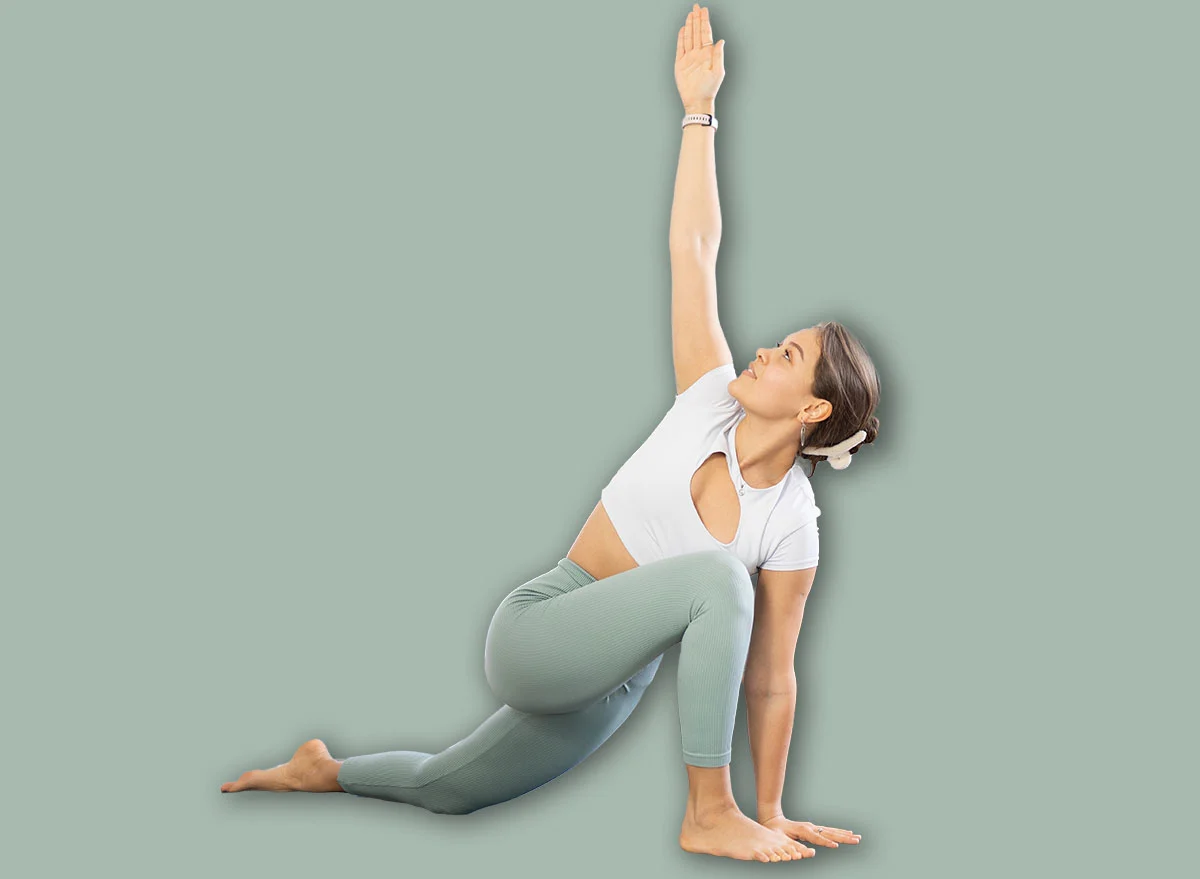
2. Integrated Hip and Thoracic Opener: The World’s Greatest Stretch
Despite its audacious title, the "World’s Greatest Stretch" consistently lives up to its name by delivering a cascade of benefits across multiple critical areas of the body within a single, flowing sequence. This compound movement is a potent mobilizer for the hips, promoting a greater range of motion and flexibility in the hip flexors and rotators, which often become tight from prolonged sitting. Simultaneously, it effectively stretches the hamstrings, often a source of lower back tension, and significantly enhances mobility in the thoracic spine (upper and mid-back). Furthermore, the reaching component of the exercise encourages improved shoulder girdle movement and stability. The comprehensive nature of this exercise means that individuals can achieve significant improvements in multiple anatomical regions without requiring an extended series of isolated stretches. The combination of lunging, rotating, and reaching mirrors the complex movements required for daily tasks like walking, lifting objects, and even dressing, thus preparing the body holistically for the challenges ahead. Many find it quickly becomes a favorite due to the profound sense of release and freedom it provides.
3. Pelvic Girdle Mobilization: Controlled Hip Circles
The hips, as the largest ball-and-socket joints in the body, are pivotal for almost every movement we undertake, from walking and climbing stairs to simply standing. Yet, these crucial joints are highly susceptible to stiffness, often as a consequence of years of sedentary habits and reduced physical activity. Controlled Hip Circles are specifically designed to encourage the hip joint to articulate through its full rotational capacity in multiple directions, while simultaneously activating and strengthening the surrounding muscles that are vital for stability and support. The emphasis here is on slow, deliberate execution, as mindful and controlled movement is far more effective at restoring genuine mobility than rushed, uncontrolled repetitions. Clients frequently report a tangible improvement in the smoothness of their gait, reduced effort when ascending or descending stairs, and an overall sense of greater ease in their lower body after integrating this exercise into their morning routine. Furthermore, by optimizing hip mobility, this movement helps to alleviate compensatory stress that might otherwise be placed on the knees and lower back, promoting broader musculoskeletal health.
4. Upper Torso and Shoulder Girdle Dynamics: Standing Arm Circles with Thoracic Rotation
While many individuals instinctively focus on stretching the shoulder muscles when experiencing upper body stiffness, it is equally, if not more, important to address the mobility of the upper back, or thoracic spine. The Standing Arm Circles with Thoracic Rotation cleverly combines these two elements, encouraging the shoulders and the thoracic spine to move in harmonious synchronicity, as they are naturally designed to do. This exercise is particularly beneficial for those whose lifestyles involve prolonged periods of static posture, such as reading, driving, or working at a computer, which often contribute to a rounded upper back and stiff shoulders. By actively mobilizing both the shoulder girdle and the thoracic spine, this movement helps to counteract the postural distortions caused by these activities. As the upper body regains its suppleness, posture naturally improves, and everyday tasks requiring overhead reaching or rotation become significantly more comfortable and less restrictive. Its simplicity belies its profound impact on overall upper body function and comfort.
5. Distal Extremity Foundation: Standing Ankle Rocks
The ankles, often overlooked in comprehensive mobility routines, play an indispensable role in maintaining balance, facilitating efficient walking, and supporting virtually every lower-body movement. Limited ankle mobility can have far-reaching consequences, altering biomechanics during activities like squatting, climbing, and even impacting one’s ability to maintain equilibrium on uneven surfaces. Standing Ankle Rocks serve as a crucial concluding element in many mobility sequences, specifically targeting an area where many adults experience insidious stiffness that can compromise their stability and fluidity of movement. By gently rocking forward and backward, the exercise encourages dorsiflexion and plantarflexion, improving the joint’s range of motion and activating the muscles that stabilize the foot and ankle. Individuals who consistently incorporate this movement into their routine frequently report feeling more grounded, lighter on their feet, and significantly more confident when navigating various terrains during their daily walks. Healthy, mobile ankles are indeed the foundation for smoother, more confident movement throughout the entire kinetic chain of the body.
The transformative potential of these five dynamic morning exercises cannot be overstated. By committing just a few minutes each day to these targeted movements, older adults can proactively address and mitigate the natural stiffening that often accompanies aging. This consistent engagement is not merely about achieving temporary relief; it is about cultivating comprehensive joint freedom and reinforcing the muscular support essential for sustaining this newfound agility. The impact resonates throughout the day, translating into greater ease in daily activities, enhanced balance, improved posture, and a profound sense of vitality. For those seeking to reclaim and maintain their physical independence and enhance their overall quality of life well into their later years, a dedicated morning mobility routine, grounded in these dynamic principles, offers a powerful and accessible pathway. It serves as a testament to the idea that age is not a barrier to movement, but rather an invitation to move with greater intention and awareness.
Related posts:

Related News