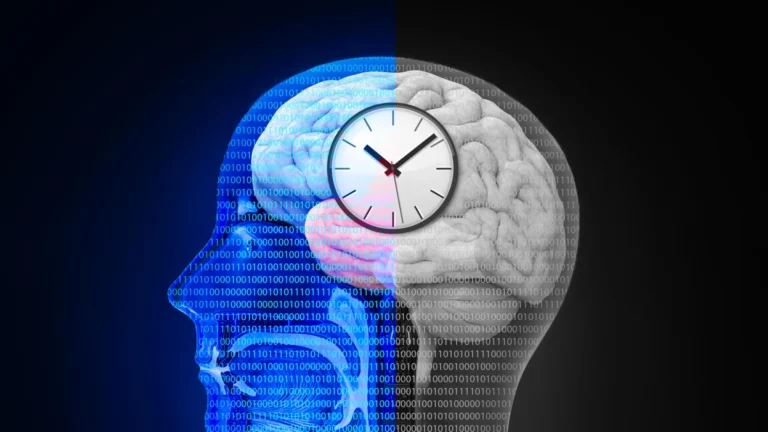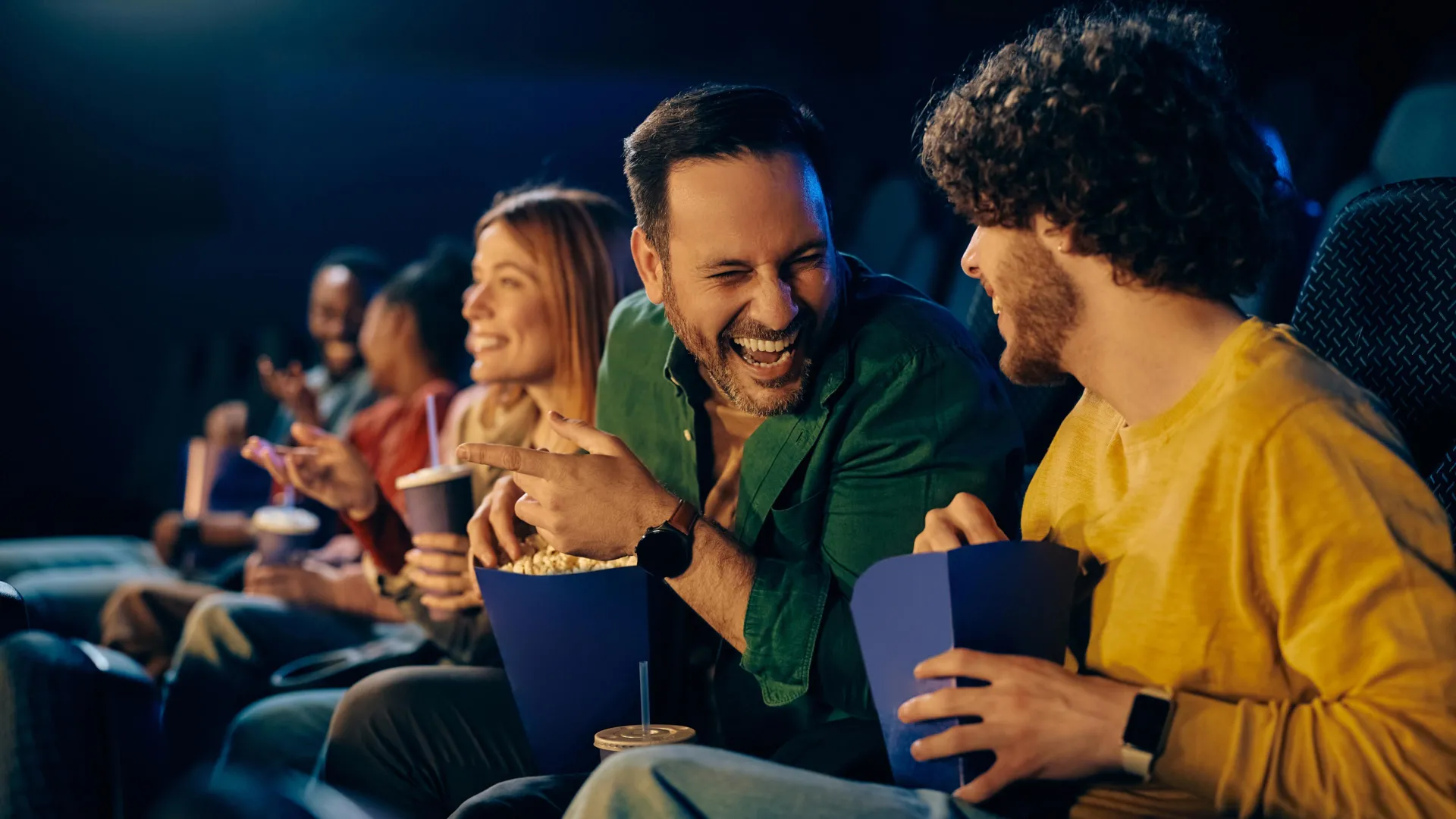
Engaging in cultural experiences such as visiting galleries, attending theatrical performances, or enjoying cinematic screenings may offer benefits extending beyond mere entertainment, potentially contributing to a younger physiological state. Emerging research suggests a tangible link between regular participation in these cultural pursuits and a more youthful bodily functioning, indicating that an individual’s internal biological clock may tick at a slower pace.
This compelling discovery, detailed in the esteemed Journal of Epidemiology and Community Health, bolsters a growing body of evidence that advocates for the crucial role of active social and cultural engagement in promoting robust and healthy longevity. While the passage of time is an inevitable constant, the rate at which our bodies biologically age can exhibit considerable variation among individuals. Physiological age, a measure of how effectively our bodies are functioning, can diverge significantly from chronological age, which simply denotes the number of years elapsed since birth.
Prior investigations have historically underscored the association between cultural engagement and improved health outcomes and overall well-being in older demographics. However, a comprehensive exploration into whether these enriching activities directly influence the very process of physiological aging has been relatively scarce. Addressing this gap, a team of investigators from the Institute of Science Tokyo in Japan has undertaken what is believed to be the inaugural longitudinal study designed to scrutinize this relationship. Crucially, their methodology incorporated a means to account for unmeasured variables that tend to remain constant throughout an individual’s life, thereby enhancing the robustness of their findings.
The cornerstone of this groundbreaking research involved a meticulous analysis of data drawn from a substantial cohort of 1,899 adults. These individuals were active participants in the English Longitudinal Study of Ageing (ELSA), a comprehensive, ongoing population-based investigation that surveys a nationally representative cross-section of adults aged 50 and above residing in England. The dataset utilized for this study encompassed information meticulously collected during at least two distinct survey intervals, spanning the years 2004/2005, 2006/2007, and 2008/2009.
To establish a quantifiable measure of physiological age, a standardized battery of 10 indicators of physical health was assessed by trained nurses. These indicators included critical markers such as pulse pressure, diastolic blood pressure, forced expiratory volume (a measure of lung function), hemoglobin concentration, fibrinogen levels (related to blood clotting), glycated hemoglobin (a marker for blood sugar control), low-density lipoprotein (LDL) cholesterol, body mass index (BMI), grip strength, and walking speed. The aggregate of these diverse physiological measurements was then synthesized into a singular, composite physiological age score, providing a holistic representation of an individual’s biological youthfulness.
Concurrently, participants were also surveyed regarding the frequency of their engagement with specific cultural activities. This included reporting on how often they attended the cinema, visited museums or art galleries, and experienced live performances such as theater, concerts, or opera. Each of these activities was assigned a numerical score, ranging from 0 for individuals who reported never attending, up to 5 for those who participated twice a month or more. The sum of these scores generated a comprehensive cultural engagement index, with a possible range extending from 0 to 15, thereby quantifying the breadth and depth of each participant’s cultural participation.
The results of this rigorous analysis revealed a striking correlation: individuals who exhibited higher levels of cultural engagement, defined within the study as participating in cultural activities at least every few months, demonstrated an average physiological age of 66.9 years. In stark contrast, those reporting lower levels of engagement exhibited an average physiological age of 69.9 years, indicating a discernible difference of approximately three years in biological aging.
Furthermore, the demographic profile of participants with higher cultural engagement often included a greater proportion of women, individuals with elevated socioeconomic status, those who were employed, and individuals who already reported a superior baseline of overall health. These observed associations, while noteworthy, were subjected to further statistical scrutiny.
After meticulously adjusting for a range of confounding variables, including household income, employment status, and the presence of pre-existing chronic health conditions, the researchers made a significant discovery. They determined that for every single-point increase in an individual’s cultural engagement score, there was a corresponding reduction in their physiological age by an average of 0.085 years, equivalent to approximately 31 days. This finding suggests a quantifiable and incremental benefit associated with consistent cultural participation.
The investigators proposed several plausible mechanisms that could underpin this observed association between cultural activities and slower physiological aging. They posited that cultural engagement can serve as a potent catalyst for strengthening social connections, fostering the adoption of healthier lifestyle habits, and bolstering mental well-being. Each of these factors, independently and collectively, is recognized to play a pivotal role in mitigating the rate of biological aging.
It is imperative to acknowledge the observational nature of this research, which, by its design, precludes the establishment of definitive cause-and-effect relationships. The study authors prudently noted the possibility of reverse causation, whereby individuals who are inherently healthier might possess a greater capacity and inclination to attend cultural events in the first place.
Despite these inherent limitations, the researchers strongly advocated for the potential of cultural engagement as a modifiable behavior. They suggested that promoting widespread cultural participation could evolve into a highly effective public health strategy. Notably, they emphasized that the potential impact of such engagement could be comparable to that of regular physical activity, highlighting its significant health implications.
The research team further suggested that initiatives aimed at enhancing the geographical and financial accessibility of cultural events could significantly broaden participation. By reducing barriers to entry, a larger segment of the population could reap the potential benefits associated with cultural enrichment. Looking ahead, the authors underscored the necessity for additional longitudinal research to definitively ascertain whether proactively encouraging greater cultural engagement translates into enduring improvements in health outcomes and fosters more robust and healthy aging over the long term. This area of investigation holds considerable promise for informing future public health interventions and promoting holistic well-being across the lifespan.
About the Author