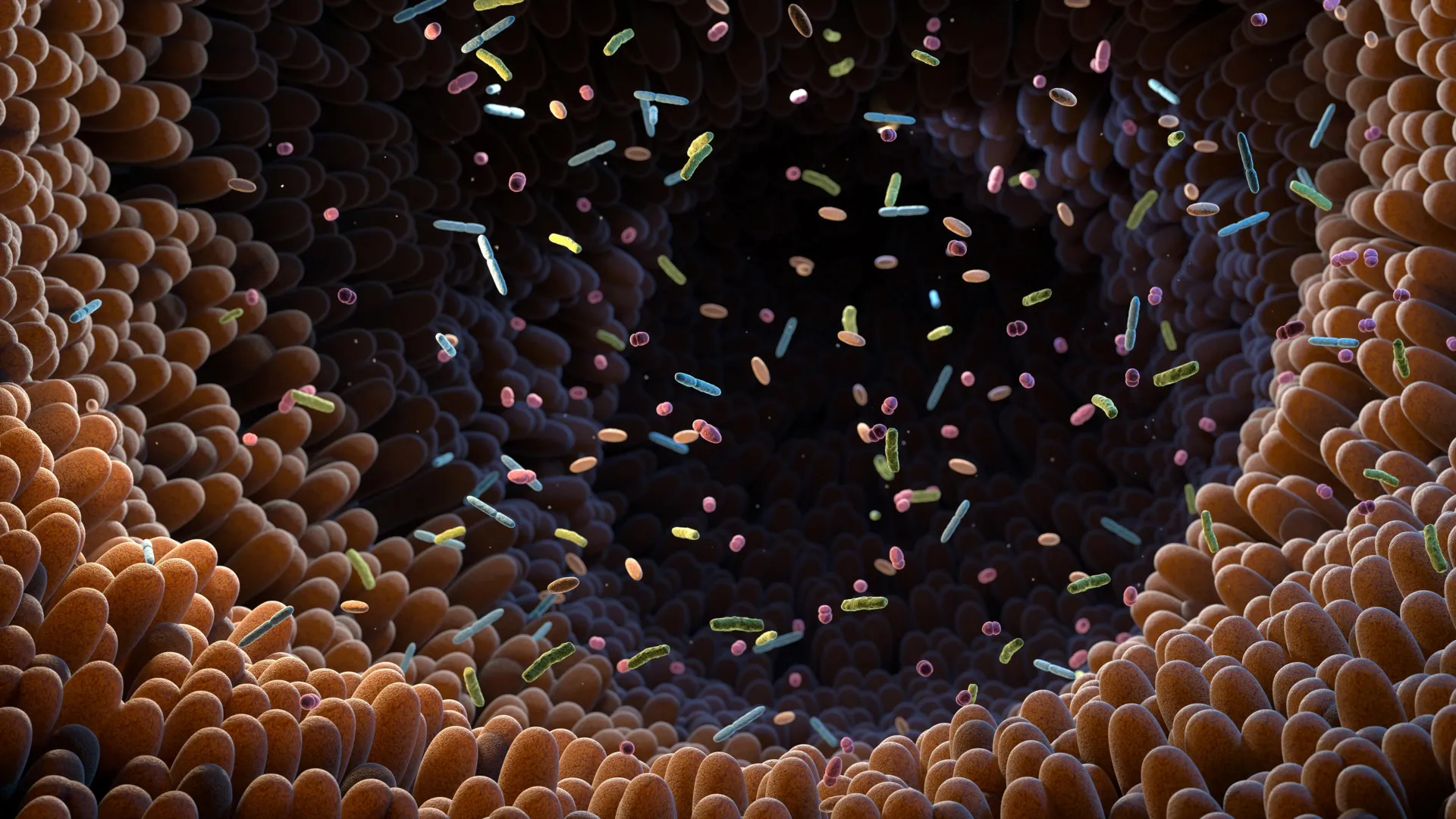
The global burden of cardiovascular and metabolic diseases continues to pose a formidable challenge to public health, necessitating a deeper understanding of their underlying mechanisms and potential preventative strategies. For decades, scientific consensus has championed diets rich in plant-based foods, particularly vegetables, as a cornerstone of disease prevention, yet the precise molecular pathways through which these dietary components exert their protective effects are still being actively uncovered. A recent groundbreaking investigation conducted by researchers at Karolinska Institutet has illuminated a previously unrecognized symbiotic relationship between specific dietary elements and the human gut microbiome, revealing how enteric microbes orchestrate the biosynthesis of novel bioactive compounds with significant implications for systemic health. This pivotal discovery, detailed in the esteemed journal Cell, introduces a new paradigm for understanding how our internal microbial ecosystems actively participate in processing ingested nutrients to influence critical physiological functions throughout the body.
Central to this new understanding are two common dietary constituents: inorganic nitrate and non-heme iron. Nitrate, abundant in a wide array of vegetables such as vibrant beetroot, crisp spinach, peppery rocket, and various lettuces, has long been recognized for its potential to be converted into nitric oxide (NO) within the body, a molecule vital for vascular health. This conventional pathway typically involves bacterial reduction of nitrate to nitrite in the oral cavity, followed by further reduction to NO in acidic environments like the stomach or by specific enzymes within tissues. Non-heme iron, distinct from the heme iron found in animal products, is the predominant form of iron present in plant-based foods like legumes, whole grains, and many green vegetables. While crucial for myriad bodily processes, including oxygen transport and cellular metabolism, its bioavailability and absorption can be complex. The novel insight from the Karolinska Institutet study transcends the individual roles of these nutrients, demonstrating their synergistic conversion into an entirely new class of protective molecules, an intricate process wholly dependent on the activity of gut microorganisms.
The researchers identified these newly formed protective agents as dinitrosyl iron complexes, or DNICs. These intriguing compounds are coordination complexes involving iron and nitric oxide, known to possess distinct biological activities, often acting as reservoirs or carriers for nitric oxide in various physiological contexts. The study meticulously tracked the formation and distribution of these DNICs, revealing that following their microbial synthesis within the gastrointestinal tract, these molecules are efficiently absorbed into the bloodstream. Once circulating, they are transported to various organs, with particularly notable accumulation observed in key metabolic and excretory centers such as the liver and kidneys, hinting at their widespread potential influence on bodily systems.
The methodological rigor employed in this investigation was multi-faceted, leveraging a comprehensive suite of experimental models to build a robust evidentiary foundation. The team utilized sophisticated analytical techniques to detect and quantify DNICs across diverse biological matrices, including various types of tissue samples. Crucially, the research incorporated both in vitro experiments with bacterial and cellular cultures, and in vivo studies using animal models. A particularly compelling aspect of the experimental design involved the use of germ-free mice – animals raised in sterile environments completely devoid of any microbial inhabitants. The stark absence of DNIC molecules in these germ-free subjects provided unequivocal evidence, establishing the indispensable role of the gut microbiome in the biosynthesis of these compounds. This finding underscored that the conversion of dietary nitrate and non-heme iron into DNICs is not an intrinsic human metabolic process but rather an intricate biochemical transformation facilitated exclusively by the resident microbial communities within the gut. As Dr. Andrei L. Kleschyov, a Senior Researcher in the Department of Physiology and Pharmacology at Karolinska Institutet and a lead author of the study, articulated, their findings unequivocally demonstrate the capacity of gut bacteria to metabolize ingested food components into biologically active molecules capable of modulating vital bodily functions.
Having established the microbial dependence for DNIC formation, the research team proceeded to investigate the physiological impact of elevated DNIC levels. They approached this through two distinct strategies: by supplementing the diet of experimental animals with a combination of nitrate and non-heme iron, thereby enhancing endogenous DNIC production, or by directly administering synthetically produced DNICs. These interventions were conducted within an animal model specifically engineered to exhibit characteristics of cardiovascular and metabolic disease, allowing for a direct assessment of DNIC’s therapeutic potential. The results were remarkably consistent and compelling. Animals with higher systemic concentrations of DNICs exhibited significant improvements across several key health indicators associated with these chronic conditions.
Specifically, the researchers observed a notable reduction in systemic blood pressure, a primary risk factor for cardiovascular disease. Beyond mere pressure readings, there was also a marked enhancement in vascular function, indicative of healthier blood vessel elasticity and responsiveness – a critical determinant of cardiovascular well-being. Furthermore, the animals demonstrated improved glycemic control, reflecting a more stable regulation of blood sugar levels, which is paramount in mitigating the risks associated with metabolic disorders like type 2 diabetes. Adding to these benefits, the study also reported a significant decrease in fat accumulation within the liver, addressing a common and increasingly prevalent condition known as non-alcoholic fatty liver disease (NAFLD), which is intrinsically linked to metabolic dysfunction. These collective observations strongly suggest a profound protective effect exerted by DNICs against the progression of both cardiovascular and metabolic pathologies. Professor Mattias Carlström, a distinguished Professor of Cardiorenal Physiology at the Karolinska Institutet and a co-corresponding author, emphasized that these results provide a crucial mechanistic explanation for the well-documented association between a diet rich in vegetables, which naturally supply both nitrate and iron, and a reduced incidence of numerous chronic diseases.
This pioneering research fundamentally reshapes our understanding of the intricate interplay between diet, the gut microbiome, and host physiology. It introduces a previously unrecognized pathway through which the beneficial effects of vegetable-rich diets may be mediated, moving beyond the traditional focus on fiber, vitamins, and antioxidants. The discovery of DNICs as a microbiome-dependent conduit for cardiovascular and metabolic protection opens up exciting new avenues for both preventative and therapeutic interventions.
While the findings are profoundly significant, the researchers underscore the necessity for further translational research. The majority of the foundational work was conducted in experimental animal models, meaning that extensive investigation will be required to precisely delineate how these processes operate in the complex human system. The immediate next steps for the research team include the development of reliable and sensitive methodologies for measuring DNIC levels directly in human subjects. This will be crucial for understanding baseline levels, how they fluctuate with dietary intake, and their correlation with human health outcomes. Furthermore, detailed studies are planned to elucidate the exact molecular mechanisms governing DNIC production within the gut, their pharmacokinetic profiles (how they are absorbed, distributed, metabolized, and excreted in the human body), and their specific molecular targets within various physiological pathways.
Looking ahead, a paramount question remains: Can dietary modifications or targeted interventions aimed at modulating the gut microbiota be harnessed to intentionally increase DNIC production in humans, thereby offering a novel strategy for disease prevention or management? This avenue of inquiry holds immense promise for developing personalized nutritional guidelines or even probiotic/prebiotic therapies designed to optimize the gut’s capacity for synthesizing these protective compounds. The collaborative nature of this research, involving partnerships with institutions such as the University Medical Centre Hamburg-Eppendorf and the Johannes Gutenberg University Medical Centre Mainz in Germany, underscores the global effort behind such scientific endeavors, supported by a consortium of funding bodies including the Swedish Research Council, the Swedish Heart-Lung Foundation, the Novo Nordisk Foundation, and the European Research Council, among others. This collective commitment highlights the critical importance of unraveling the complex mysteries of our internal ecosystems to forge new pathways toward enhanced human health.
About the Author