Avian Influenza Transmission Risks Amplified by Domestic Bird Feeding Practices.
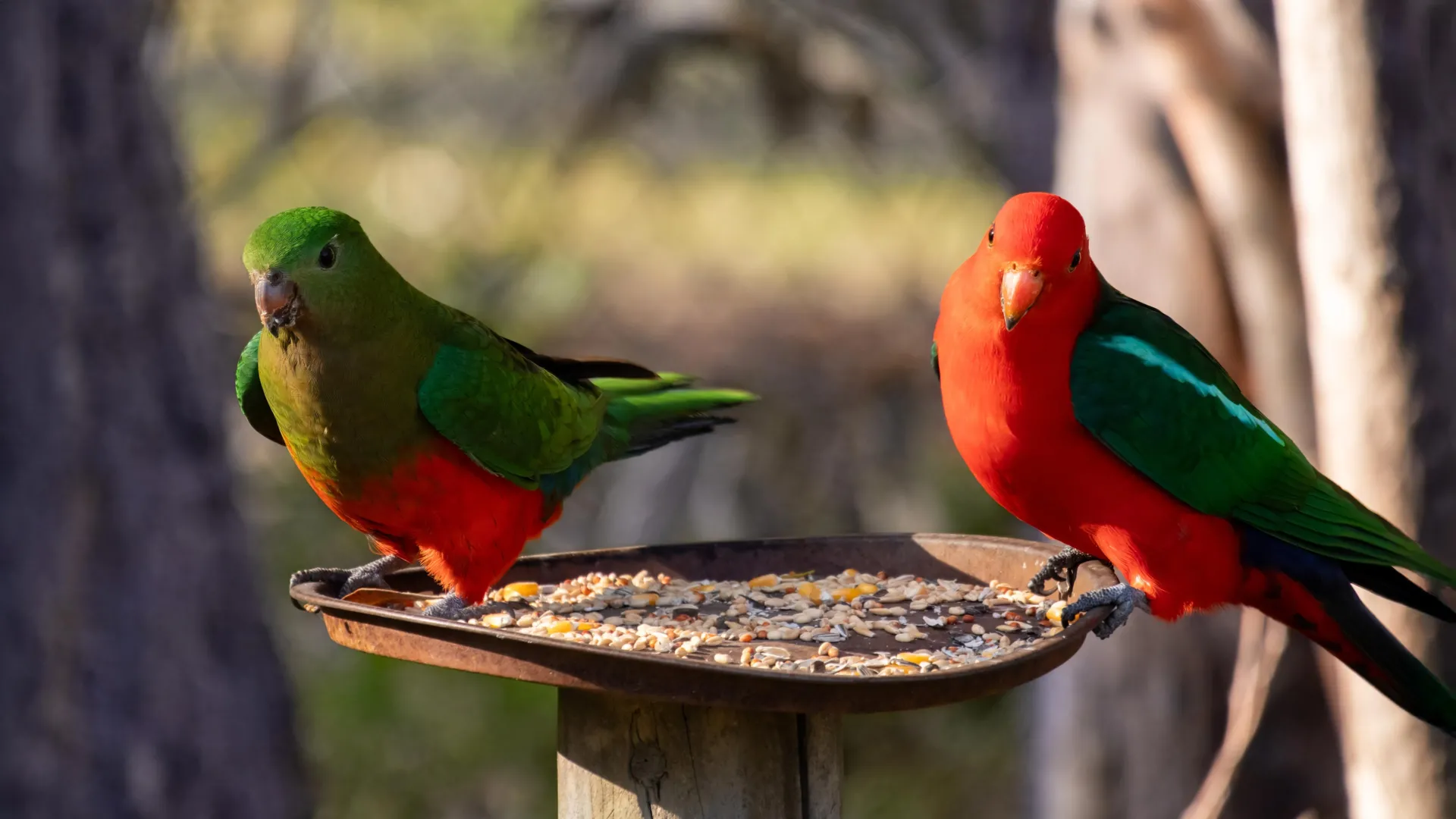
The widespread practice of offering sustenance to wild birds in residential gardens, a cherished pastime for a significant portion of the population, has inadvertently emerged as a potential catalyst for the accelerated dissemination of virulent avian influenza strains. Research indicates that a substantial number of households routinely engage in this activity, with many participating on a daily basis, creating numerous localized points of congregation for wild bird populations. This seemingly benign act of providing supplementary nourishment, while often driven by a genuine affection for wildlife, carries a significant, and often unrecognized, risk of facilitating the transmission of highly pathogenic avian influenza (HPAI), such as the H5N1 virus. This particular strain has already wrought devastating consequences on wild bird and mammalian populations across the globe, and its recent incursion into Australia has led to tragic outcomes, including the mortality of over a thousand crested terns and the first documented mainland mammalian infection in a long-nosed fur seal.
The inherent nature of supplementary feeding stations creates an artificial ecosystem, drawing together diverse avian species in densities and combinations not typically observed in natural environments. This forced proximity significantly elevates the probability of pathogen exchange, transforming backyards into potential hotspots for disease amplification. Birds visiting these feeding sites, irrespective of whether they are symptomatic or asymptoximatic carriers, can inadvertently shed the virus through feces, saliva, or respiratory secretions, contaminating food sources, water, and surfaces. Subsequent birds that consume or come into contact with these contaminated elements can then become infected, initiating a cascading effect of transmission. This is particularly concerning for species already facing conservation challenges, as a novel and highly virulent pathogen like H5N1 could push already vulnerable populations, such as the critically endangered orange-bellied parrot, towards the precipice of extinction.
The implications of H5N1 extend beyond the avian kingdom. Scavenging wildlife, including possums, foxes, and corvids, are at risk of contracting the virus by consuming the carcasses of infected birds. Furthermore, humans who have close, sustained contact with infected wild animals, such as wildlife rehabilitators, veterinarians, and agricultural workers, face a potential, albeit rare, risk of zoonotic transmission. While human infections are infrequent and typically manifest with mild symptoms, the ongoing evolution and spread of HPAI necessitate a cautious and informed approach to minimize all potential avenues of exposure.
The practice of backyard bird feeding, while popular, has long been a subject of debate among ornithologists and conservationists. Concerns have been raised not only regarding the potential for disease transmission but also about the provision of inappropriate food items that can negatively impact bird health and the fostering of dependency on human handouts, which can alter natural foraging behaviors and reduce a bird’s ability to find sustenance independently. However, the current H5N1 outbreak has brought a renewed urgency to these discussions, highlighting the critical role that well-intentioned feeding practices might play in exacerbating a widespread animal health crisis.
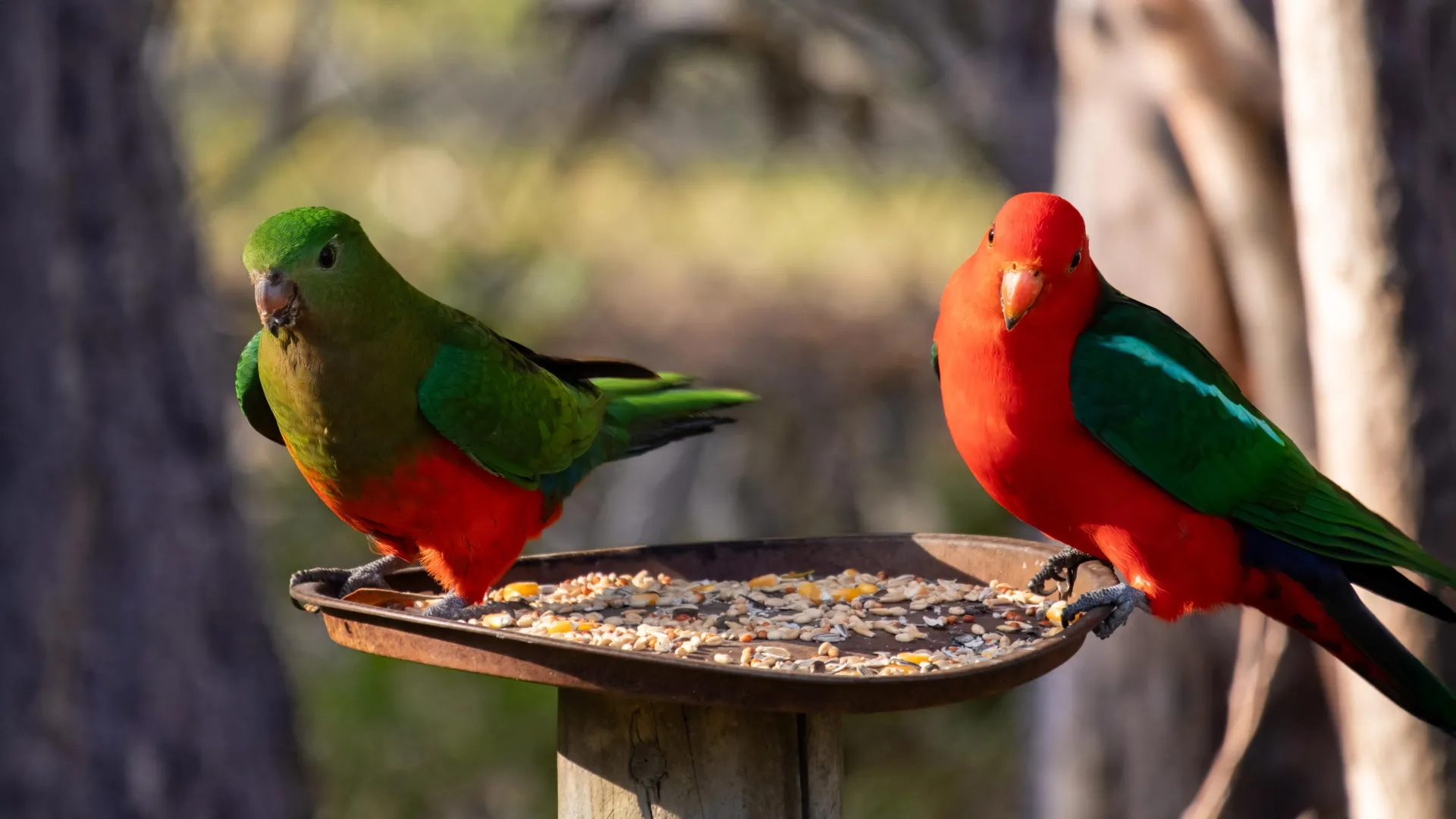
The scientific consensus suggests that most wild birds are capable of sourcing adequate nutrition from their natural environments, relying on insects, seeds, fruits, and other natural food sources. The supplementary food provided by humans often serves as an addition rather than an essential component of their diet. Therefore, discontinuing artificial feeding altogether is considered the most effective strategy for mitigating the risk of disease amplification. By ceasing to offer food, the attraction for birds to congregate in specific areas is significantly reduced, thereby diminishing the opportunities for close-contact transmission.
For individuals who choose to continue feeding wild birds despite the heightened risks, adopting stringent biosecurity measures is paramount. One crucial recommendation is to reduce the quantity of food offered. Overfilling feeders can lead to an excessive accumulation of birds in a confined space, increasing the likelihood of virus spread. By providing smaller amounts of food, the density of visiting birds can be managed, mirroring, in a simplified sense, the principles of social distancing employed to curb human-to-human transmission of infectious diseases.
Another critical recommendation is to entirely avoid direct hand-feeding of birds. While this interaction can feel rewarding, offering food directly from one’s hand creates intimate physical contact between humans and potentially infected birds. Given the rare but existing possibility of zoonotic transmission, this practice poses an unnecessary risk and should be discontinued during periods of heightened avian influenza activity. Maintaining a safe physical distance from wild birds, especially those that appear unwell or have died, is essential for personal safety.
Furthermore, rigorous hygiene practices are indispensable for anyone continuing to feed wild birds. All feeding apparatus, including feeders, perches, and surrounding surfaces, must be regularly and thoroughly cleaned and disinfected. A solution of household bleach is often recommended for this purpose. Failure to maintain impeccable cleanliness can transform feeding stations into reservoirs for pathogens, perpetuating the cycle of infection. Individuals unwilling or unable to commit to such rigorous cleaning protocols should refrain from feeding wild birds altogether.
The current avian influenza outbreak in Australia underscores the interconnectedness of human activities and wildlife health. The seemingly simple act of placing food in a backyard feeder, when undertaken on a broad scale, has the potential to significantly amplify the spread of a devastating disease. While the prospect of ceasing this beloved pastime may be met with disappointment by some, the adoption of these preventative measures—whether through complete cessation of feeding or the implementation of strict hygiene and reduced provision of food—is vital for safeguarding both avian populations and public health. Reporting any sightings of sick or deceased birds or marine mammals to the appropriate authorities, without direct contact, is also a crucial step in monitoring and managing disease outbreaks. This includes recording the location, taking photographs from a safe distance, keeping pets away from the affected area, and contacting the Emergency Animal Disease Hotline.

Related News