Neuroprotective Potential of Modern Shingles Vaccine Revealed in Large-Scale Geriatric Study
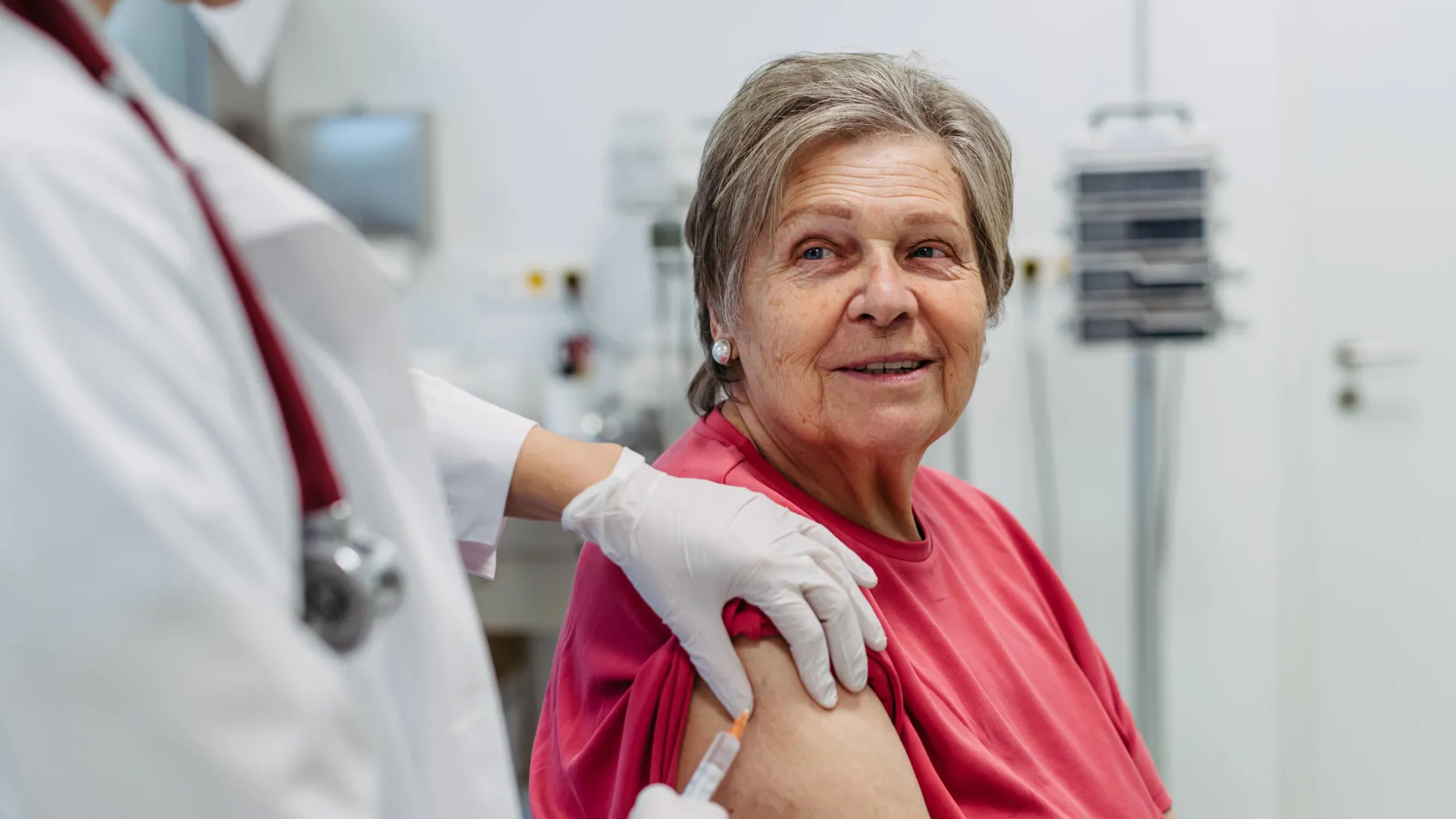
A significant investigation into the health outcomes of older adults residing in skilled nursing facilities has uncovered a compelling association between the administration of a contemporary shingles vaccine and a demonstrably reduced incidence of dementia. Analysis of extensive healthcare data reveals that individuals who received the recombinant zoster vaccine (RZV), commonly known as Shingrix, exhibited a 24% lower likelihood of receiving a dementia diagnosis within a four-year follow-up period when contrasted with their unvaccinated counterparts. This discovery extends previous observations, suggesting that current vaccination strategies may offer benefits that transcend the prevention of shingles itself, potentially impacting cognitive health in vulnerable populations.
The cornerstone of this groundbreaking research was a meticulous examination of Medicare claims and associated health records encompassing over half a million adults aged 66 and above. These individuals had all been admitted to skilled nursing facilities, necessitating either short-term rehabilitation or long-term custodial care. The study’s methodology focused on comparing the health trajectories of patients who had received at least one dose of the RZV vaccine with those who had not been vaccinated against shingles. The RZV vaccine, introduced to the market in 2017, is presently the sole shingles vaccine available, making this analysis particularly relevant to current public health practices.
This research distinguishes itself by specifically evaluating the impact of the newest generation of shingles vaccine within a population characterized by advanced age and inherent frailty, often residing in institutionalized care settings. Unlike prior studies that may have utilized older vaccine formulations, this investigation zeroes in on Shingrix’s effects in individuals who might not have been up-to-date with their shingles immunizations prior to entering a skilled nursing facility, a critical juncture in healthcare management. The lead author, Kaley Hayes, an assistant professor at Brown University’s School of Public Health, emphasized the unique focus of this study, highlighting its examination of a specific vaccine within a precisely defined and clinically significant demographic.
The findings of this study are not isolated but rather align with a growing body of evidence derived from earlier research that explored similar associations with a predecessor shingles vaccine. These consistent results across different vaccine generations contribute to a burgeoning understanding that shingles vaccines may possess neuroprotective properties in addition to their primary role in preventing the painful viral reactivation. Professor Hayes, who also serves as the associate director of pharmacoepidemiology for Brown’s Center for Gerontology and Healthcare Research, articulated this emergent understanding, suggesting that these vaccines are not only effective against shingles but also appear to confer benefits that safeguard neurological function.
The research team, comprising experts from Brown University, the University of Delaware, the Providence Veterans Affairs Medical Center, and other esteemed institutions, employed a sophisticated analytical technique known as target trial emulation. This methodology is particularly valuable when the direct execution of a randomized controlled trial is either impractical or ethically challenging. By emulating the conditions of such a trial, researchers can derive robust insights from observational data, attempting to mitigate potential biases and mimic the rigorous standards of clinical experimentation as closely as possible.
The extensive dataset utilized in the analysis comprised Medicare claims and electronic health records from a substantial cohort of 509,926 individuals. These participants were admitted to over 5,500 skilled nursing facilities across the United States between 2017 and 2022. Within this large group, a smaller subset of 8,843 individuals had received at least one dose of the Shingrix vaccine. Crucially, the study meticulously selected participants who were eligible for shingles vaccination and had no pre-existing diagnosis of dementia at the commencement of the observation period, ensuring a focused analysis on the development of new dementia cases.
Following a four-year period of comprehensive follow-up, the data revealed a statistically significant divergence in dementia diagnoses between the vaccinated and unvaccinated groups. Specifically, individuals who had received at least one dose of the two-dose Shingrix regimen demonstrated a considerably lower rate of dementia diagnosis. The incidence of dementia was recorded at 18.8% among the vaccinated participants, in stark contrast to the 24.6% observed in the unvaccinated cohort. This difference suggests that for every 17 cases of dementia, approximately one might potentially be averted through vaccination, according to Professor Hayes’s interpretation of the findings.
Despite the compelling nature of these results, it is imperative to acknowledge the inherent limitations of observational studies. The researchers have cautioned that while a strong association has been identified, the current study design cannot definitively establish a causal relationship between Shingrix vaccination and a reduced risk of dementia. Several confounding factors could potentially influence the observed outcomes. For instance, individuals who opted for vaccination may have been slightly younger or possessed better overall health profiles compared to those who remained unvaccinated. Such pre-existing differences in health status could independently contribute to a lower predisposition to dementia.
To address these potential confounders, the research team implemented statistical adjustments within their analysis to account for known demographic and health-related variables. These adjustments aimed to isolate the effect of vaccination as much as possible. However, even after these statistical controls, the observed association persisted, suggesting that while these factors might play a role, they do not entirely explain the observed difference in dementia risk. The authors underscored the necessity for further investigation, including well-designed clinical trials, to conclusively determine whether shingles vaccination directly confers a protective effect against the development of dementia.
Nevertheless, the implications of these findings are substantial and far-reaching. They suggest that a widely accessible preventive health measure, already recommended for its efficacy in preventing shingles, may also offer significant benefits for cognitive well-being in an aging population. The study posits that interventions aimed at bolstering physical health, such as vaccination against infectious diseases, could have a cascading positive effect on brain health. Professor Hayes eloquently summarized this concept, noting the profound interconnectedness of physical and cognitive health, and expressing the remarkable observation that a vaccine designed to combat a physical ailment could simultaneously contribute to maintaining a healthy brain.
It is also important to note that the authors disclosed receiving funding from GlaxoSmithKline, the pharmaceutical company that manufactures Shingrix. However, they rigorously stated that the funding source had no influence whatsoever on the study’s design, the subsequent data analysis, or the ultimate decision to publish their findings. This transparency ensures the integrity and objectivity of the research, reinforcing the scientific community’s confidence in the presented results and their interpretation. The study represents a critical step in understanding the multifaceted health benefits of vaccination beyond its primary intended purpose, opening new avenues for research into comprehensive health strategies for older adults.

Related News