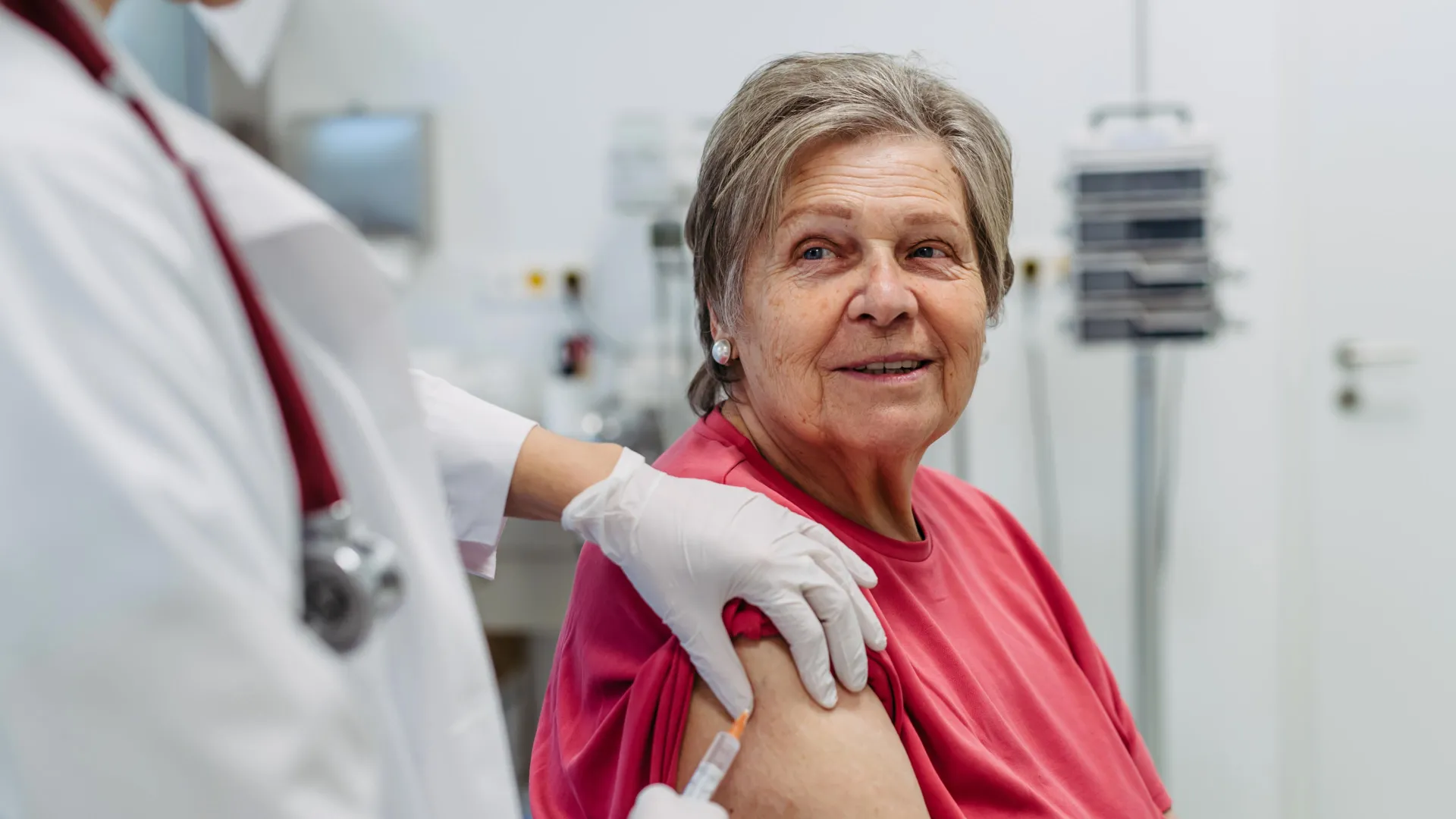
The intricate biological defense system, a marvel of human physiology, exhibits a predictable trajectory of gradual decline with advancing age, a phenomenon meticulously termed immunosenescence. This inherent aging process of the immune apparatus can significantly compromise the body’s ability to mount robust defenses against invading pathogens and can diminish the effectiveness of prophylactic interventions like vaccinations, rendering older individuals more susceptible to infections and potentially less protected even after receiving immunizations. A recent groundbreaking investigation, published in the esteemed journal Aging Cell, offers compelling preliminary evidence that a naturally occurring polyamine, spermidine, may hold the key to mitigating some of these age-related immunological shortcomings, thereby potentially enhancing vaccine responses in the elderly population.
The research endeavor was spearheaded by a collaborative team of distinguished scientists, including Dr. Katja Simon, a leading figure in the Cell Biology of Immunity laboratory at the Max Delbrück Center, and Dr. Ghada Alsaleh, an Associate Professor at the Nuffield Department of Orthopaedics, Rheumatology & Musculoskeletal Sciences (NDORMS) at the University of Oxford. Their meticulous work points towards a significant improvement in several key indicators of immune responsiveness following COVID-19 vaccination in individuals who incorporated a daily spermidine supplement into their regimen. This finding carries profound implications for public health strategies aimed at protecting vulnerable aging populations.
Spermidine, a molecule intrinsically synthesized within human cells, is also readily accessible through dietary sources, featuring prominently in foods such as wheat germ, various species of mushrooms, and cheeses like parmesan and cheddar. Prior scientific inquiry has suggested that spermidine plays a crucial role in supporting cellular maintenance mechanisms, processes that tend to wane in their efficacy as organisms mature. Dr. Alsaleh articulated the rationale behind this research, stating, "While a considerable number of older adults achieve satisfactory protection from vaccinations, a subset experiences suboptimal immune responses, even after undergoing multiple immunization cycles. The biological aging of immune cells is a suspected contributing factor to this variability. Our observations suggest that spermidine might possess the capacity to partially restore certain facets of immune functionality within this demographic."
The ambitious project also benefited from the invaluable contributions of other esteemed researchers, including Drs. Paul Klenerman, Teresa Lambe, and Lucy Jones from the Oxford Vaccine Group, alongside Owen B. Spiller from Cardiff University, underscoring the interdisciplinary nature of this significant scientific pursuit.
The profound impact of the COVID-19 pandemic underscored the indispensable role of vaccination in curbing the severity of illness and preventing mortality. However, a persistent challenge has been the observation that older adults frequently exhibit diminished production of protective antibodies and T cells in response to vaccination. This phenomenon is not unique to COVID-19 vaccines; similar patterns have been documented in the context of influenza immunizations.
To rigorously assess the potential of spermidine to ameliorate this age-related decline in vaccine efficacy, Dr. Simon and her colleagues orchestrated a controlled study involving 40 healthy participants aged 65 and above. Following their receipt of the third dose of the COVID-19 vaccine, participants were randomly assigned to receive either six milligrams of spermidine daily or a placebo for a duration of 13 weeks.
The analysis revealed a striking disparity: approximately one-quarter of the participants demonstrated exceedingly weak antibody responses, even after completing a full vaccination course. Furthermore, these individuals exhibited discernible markers of biological aging within their immune cells, including elevated levels of DNA damage and molecular signatures associated with cellular senescence. Cellular senescence is a state where cells, having sustained damage or reached the end of their functional lifespan, cease to divide and perform their normal duties. Crucially, these senescent cells do not disappear but can accumulate in tissues, contributing to chronic inflammation and impaired organ function, a process that exacerbates age-related health issues.
Within the cohort of vaccine non-responders who were administered spermidine, a significant positive shift was observed across several immunological parameters directly linked to vaccine-induced immunity. These individuals subsequently exhibited higher concentrations of antibodies capable of neutralizing SARS-CoV-2, and their immune systems displayed a more potent capacity to neutralize various viral variants. This suggests that spermidine might be enabling a more effective deployment of the immune system’s defensive arsenal.
Beyond enhanced antibody production, the researchers also noted a reduction in markers indicative of immunosenescence in the spermidine group. Concurrently, there was an observable increase in autophagy, a fundamental cellular housekeeping process. Autophagy serves as the body’s intrinsic recycling system, enabling cells to efficiently clear out damaged components and dysfunctional organelles, thereby maintaining cellular integrity and optimal function. This renewal process is vital for cellular health and is known to decline with age.
The administration of spermidine supplements in this study was found to be safe and well-tolerated by the participants, with no adverse effects reported. This is a critical consideration for any potential therapeutic or preventative intervention, particularly for an older demographic that may be more sensitive to pharmacological agents.
Despite these encouraging findings, the researchers are keen to emphasize the preliminary nature of their conclusions. Given that the study encompassed a modest sample size of 40 participants, the results should be interpreted as early indicative evidence rather than conclusive proof of spermidine’s efficacy in enhancing vaccine outcomes. Dr. Simon cautioned, "This study was meticulously designed as a pilot trial, and as such, involved a relatively limited number of individuals. Consequently, larger-scale investigations are imperative to ascertain whether spermidine can consistently elicit improved vaccine responses across a broader population. Furthermore, it will be essential to determine if comparable beneficial effects are observed with other types of vaccines, such as those designed to protect against seasonal influenza." The path forward involves rigorous, larger clinical trials to validate these promising initial observations and explore the full therapeutic potential of spermidine in supporting a more resilient immune system in later life.
About the Author