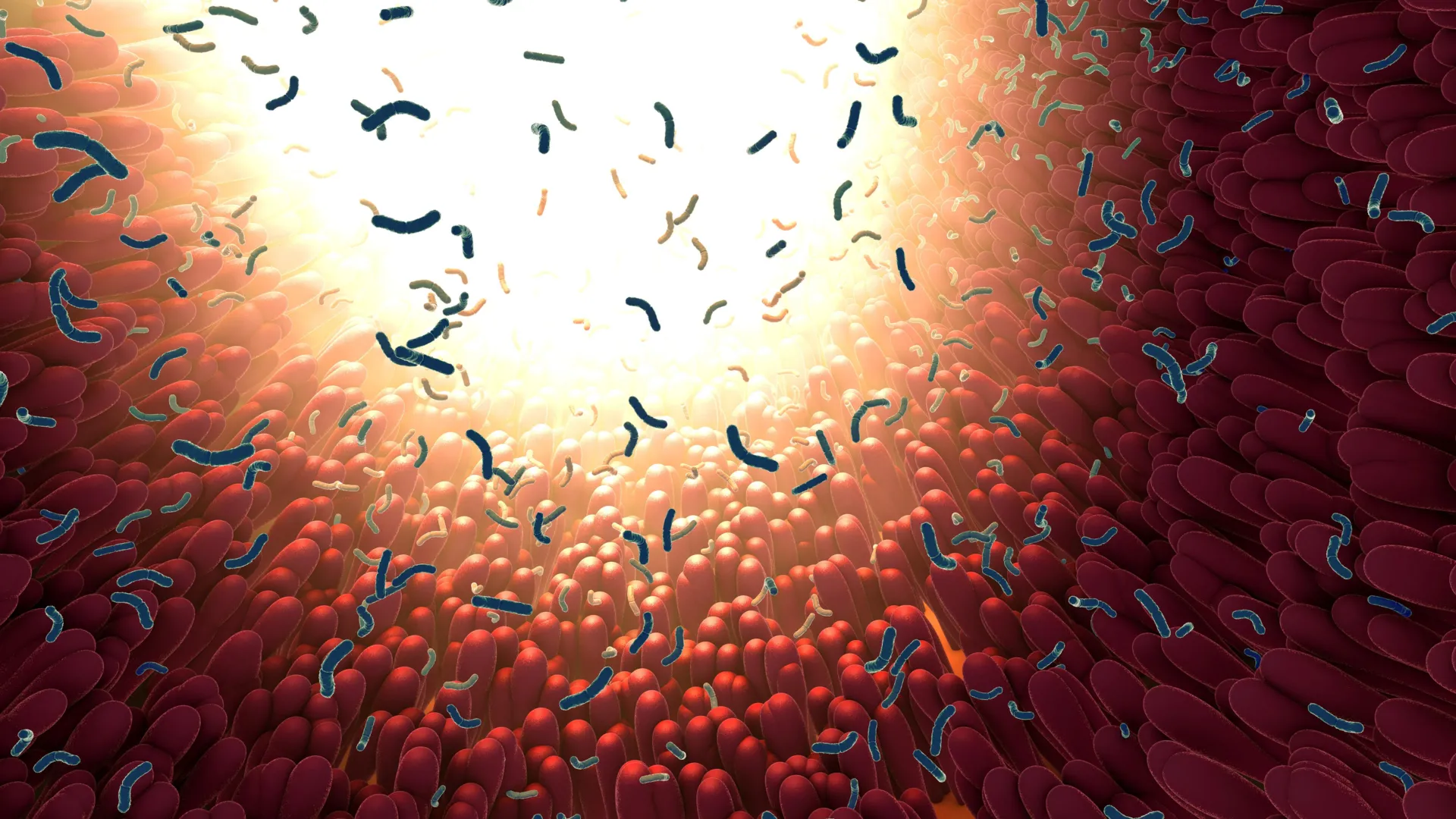
The intricate landscape of the human gastrointestinal tract, a vibrant ecosystem teeming with trillions of microorganisms, represents a primary interface between the body and the external environment. Maintaining this delicate balance, crucial for overall health, relies heavily on sophisticated innate immune mechanisms. Among these unsung heroes are specialized molecules lining the body’s moist surfaces, forming the first line of defense against potential invaders and preventing inflammation. Recent groundbreaking research from the Massachusetts Institute of Technology (MIT) has cast a spotlight on one such molecular sentinel: intelectin-2, a protein demonstrating remarkable capabilities in fortifying the gut’s protective barriers and directly neutralizing harmful bacteria. This discovery not only enhances our understanding of human immunity but also opens promising avenues for novel therapeutic interventions against a spectrum of gut-related conditions and the pervasive threat of antibiotic resistance.
At the heart of this defensive network are lectins, a diverse class of carbohydrate-binding proteins that act as molecular scouts. Their primary function involves recognizing and binding to specific sugar molecules, which are ubiquitous on the surfaces of cells—both host and microbial. This selective binding allows lectins to play critical roles in cell-to-cell communication, adhesion, and, crucially, immune surveillance. The human genome is estimated to encode over 200 different lectins, each potentially contributing to the body’s complex array of biological processes, including the finely tuned dance of immune recognition. For years, scientists have explored the nuanced ways these proteins interact with carbohydrates, seeking to unravel their precise functions within the elaborate choreography of life.
The research team at MIT, led by Laura Kiessling, the Novartis Professor of Chemistry, has been particularly interested in the intelectin family of lectins. In humans, this family comprises two known members: intelectin-1 and intelectin-2. While intelectin-1, whose structure was determined by Kiessling’s group approximately a decade ago, is known for its selective binding to carbohydrates found exclusively on bacteria and other microbes, its complete biological roles remain an active area of investigation. Prior to the current study, evidence suggesting intelectin-2’s involvement in immune defense was largely circumstantial, prompting a focused inquiry into its specific contributions. Amanda Dugan, then a postdoctoral researcher in Professor Kiessling’s laboratory, took on the challenge of meticulously dissecting the functions of intelectin-2, leading to the pivotal findings detailed in Nature Communications.
The comprehensive study revealed that intelectin-2 employs a sophisticated, two-pronged strategy to safeguard the gastrointestinal tract. Its first role is to act as an architect of the gut’s physical defenses, strengthening the mucus barrier—a viscous, gel-like layer that lines the intestinal lumen. This mucus layer is far more than a simple lubricant; it is a dynamic, protective shield composed primarily of large glycoprotein molecules called mucins. These mucins are heavily glycosylated, meaning they are decorated with complex sugar chains, including galactose. The MIT team discovered that intelectin-2, whether sourced from humans or mice, possesses a strong affinity for galactose. By binding to galactose residues on adjacent mucin molecules, intelectin-2 effectively cross-links them, much like molecular rebar, enhancing the structural integrity and impermeability of the mucus layer. A robust mucus barrier is paramount for preventing direct contact between the underlying epithelial cells and the vast microbial populations within the gut, thereby minimizing inflammation and infection.
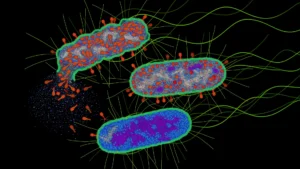
However, the gut environment is dynamic and challenging, and even the strongest barriers can be compromised. This is where intelectin-2’s second, more direct, line of defense comes into play. The researchers demonstrated that galactose is not only a component of host mucins but also a common sugar found on the surface carbohydrates of many bacterial cells, including several known gastrointestinal pathogens. Intelectin-2’s ability to bind to these bacterial surface glycans proves to be a potent antimicrobial mechanism. Once attached, intelectin-2 effectively traps the microbes, significantly slowing their proliferation. Over time, this interaction leads to the disruption of the bacterial cell membranes, ultimately causing the pathogens to break apart and die. What makes this aspect of intelectin-2 particularly compelling is its broad-spectrum efficacy; it has been shown to exert antimicrobial effects against a wide range of bacteria, including strains that exhibit resistance to conventional antibiotics, such as Staphylococcus aureus and Klebsiella pneumoniae.
Professor Kiessling eloquently summarized this dual functionality: "What’s truly remarkable is that intelectin-2 operates in two complementary ways. It helps stabilize the mucus layer, and if that barrier is compromised, it can directly neutralize or restrain bacteria that begin to escape." This synergistic action underscores the protein’s critical role in maintaining gut homeostasis and protecting against microbial threats.
The origin of intelectin-2 within the body also offers insights into its immunological significance. In humans, intelectin-2 is consistently produced by Paneth cells, specialized epithelial cells located in the crypts of the small intestine. Paneth cells are well-known for their crucial contributions to innate immunity, secreting a variety of antimicrobial peptides and proteins that help regulate the composition of the gut microbiota. In contrast, in murine models, intelectin-2 production appears to be induced in mucus-secreting Goblet cells, typically in response to inflammatory stimuli or certain parasitic infections, suggesting a dynamic and context-dependent regulatory mechanism for its expression across species.
The therapeutic implications of these findings are substantial and far-reaching. One of the most immediate applications lies in addressing inflammatory bowel disease (IBD), a group of chronic conditions characterized by persistent inflammation of the gastrointestinal tract, including Crohn’s disease and ulcerative colitis. Patients with IBD often exhibit dysregulated levels of intelectin-2; some experience unusually low concentrations, which could compromise the integrity of their mucus barrier, while others present with excessively high amounts, potentially disrupting the delicate balance of beneficial gut bacteria. The researchers propose that therapies designed to meticulously restore or maintain balanced levels of intelectin-2 could offer a novel approach to managing IBD, helping to reinforce the compromised mucus barrier and modulate the gut microbiota. Professor Kiessling emphasized this point, stating, "Our findings show just how critical it is to stabilize the mucus barrier. Looking ahead, we can imagine exploiting lectin properties to design proteins that actively reinforce that protective layer."
Beyond IBD, intelectin-2 presents a beacon of hope in the global battle against antimicrobial resistance (AMR), a growing public health crisis that threatens to render many common infections untreatable. The ability of intelectin-2 to directly neutralize notorious antibiotic-resistant pathogens like Staphylococcus aureus (often associated with hospital-acquired infections) and Klebsiella pneumoniae (a common cause of pneumonia, bloodstream infections, and wound infections) positions it as a promising candidate for the development of entirely new classes of antimicrobial treatments. Relying on the body’s own innate immune defenses represents a fundamentally different and potentially more sustainable strategy compared to conventional antibiotics, which are increasingly facing resistance mechanisms evolved by bacteria. "Harnessing human lectins as tools to combat antimicrobial resistance opens up a fundamentally new strategy that draws on our own innate immune defenses," Kiessling noted. "Taking advantage of proteins that the body already uses to protect itself against pathogens is compelling and a direction that we are pursuing."
The discovery of intelectin-2’s multifaceted protective roles opens numerous avenues for future research. Scientists will likely delve deeper into understanding the precise molecular mechanisms of bacterial membrane disruption, the regulatory pathways governing intelectin-2 expression, and its interactions with other components of the gut immune system. Further in vivo studies and, eventually, clinical trials will be necessary to translate these promising laboratory findings into effective human therapies. Challenges will include optimizing delivery methods for intelectin-2 or its mimetics, ensuring stability in the harsh gut environment, and preventing any unintended disruption of the beneficial commensal microbiota.
This pivotal research, supported by significant funding from organizations including the National Institutes of Health Glycoscience Common Fund, the National Institute of Allergy and Infectious Disease, the National Institute of General Medical Sciences, and the National Science Foundation, underscores the immense potential residing within our own biology for developing innovative solutions to complex health challenges. The collaborative effort involved several key contributors, including Charles Bevins, a professor of medical microbiology and immunology at the University of California at Davis School of Medicine; Ramnik Xavier, a professor of medicine at Harvard Medical School and the Broad Institute of MIT and Harvard; and Katharina Ribbeck, the Andrew and Erna Viterbi Professor of Biological Engineering at MIT. Lead authors of the Nature Communications study were Amanda Dugan, a former MIT research scientist, and Deepsing Syangtan, who completed his Ph.D. in 2024. Their work illuminates a powerful, intrinsic defense mechanism, offering a glimpse into a future where the body’s own molecular guardians can be leveraged to restore health, strengthen immunity, and combat some of the most tenacious microbial threats facing humanity.
About the Author