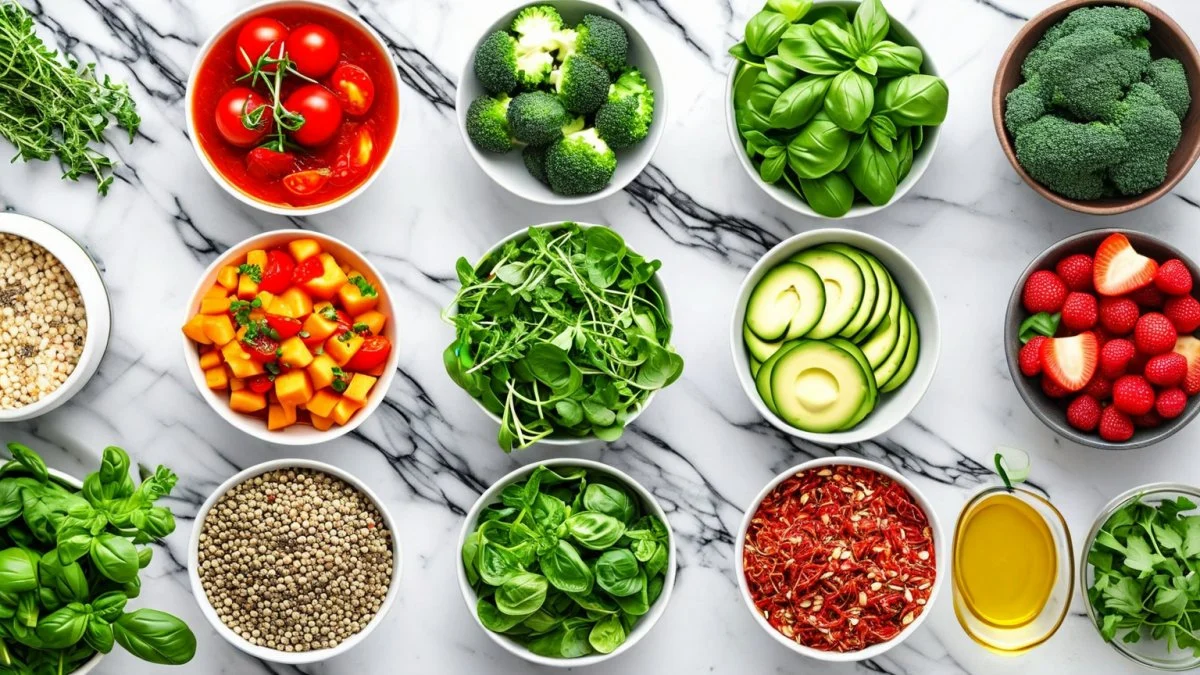
A recent consultation highlighted a common pitfall in contemporary dietary pursuits, where a client presented a substantial grocery invoice, exceeding two hundred dollars, accumulated in the quest for the "ultimate power bowl" meticulously curated from social media trends. The shopping cart overflowed with coveted items such as goji berries, acai powder, hemp hearts, and spirulina, yet the purported benefits remained elusive, with the client reporting a decline in their overall well-being. This scenario underscores a critical disconnect between perceived nutritional value and actual physiological response, prompting a deeper examination of ingredient selection for optimal health outcomes.
Contrary to popular belief and the pervasive marketing of exotic "superfoods," robust scientific evidence consistently demonstrates that achieving a high level of nutrient density within one’s diet does not necessitate the acquisition of rare or costly ingredients. In clinical practice, a multitude of individuals have successfully enhanced their energy levels and improved key health indicators by incorporating simple, budget-friendly alternatives that consistently surpass the performance of their expensive, trendy counterparts in delivering essential micronutrients and beneficial compounds. The fundamental principle is that the body’s ability to absorb and utilize nutrients is often more effectively supported by familiar, whole foods.
The scientific consensus regarding nutrient density reveals that foods boasting the highest concentrations of vitamins, minerals, and antioxidants are not exclusively the most expensive. Many commonplace food items offer superior nutritional profiles when juxtaposed with their more commercially hyped counterparts. Consider, for instance, the comparison between blueberries and goji berries. While goji berries can command prices upwards of fifteen dollars per pound, conventional blueberries offer comparable levels of antioxidants at a fraction of the cost, typically around three dollars per pound. Furthermore, the concept of bioavailability—the extent to which the body can absorb and utilize the nutrients present in food—is frequently greater with ingredients that have been staples in human diets for generations.
Beyond the inherent nutritional composition of foods, a crucial, often overlooked, factor in achieving dietary success is consistency. The adage "perfection is the enemy of good" holds significant weight in nutrition; the regular consumption of nutrient-dense foods, regardless of their perceived exclusivity, is far more impactful than sporadic indulgence in costly, specialized ingredients. When the components of a nutrient-rich meal are accessible and affordable, individuals are far more likely to integrate them into their regular eating patterns, fostering sustainable healthy habits. This consistent intake ensures a steady supply of essential nutrients, promoting long-term physiological benefits.
To illustrate this point, let us examine the carbohydrate foundation of a balanced meal. Instead of opting for quinoa, which can cost upwards of six dollars per pound, a more economical and equally nutritious approach involves embracing staples like steel-cut oats, brown rice, or even sweet potatoes. Steel-cut oats, rich in complex carbohydrates and soluble fiber, promote sustained energy release and aid in digestive health. Brown rice, a whole grain, provides a spectrum of B vitamins and minerals, contributing to overall metabolic function. Sweet potatoes, packed with beta-carotene, vitamin C, and fiber, offer a vibrant and nutrient-dense carbohydrate source. The higher fiber content found in these alternatives, for example, in steel-cut oats, facilitates a slower and more gradual release of glucose into the bloodstream, thereby preventing the sharp energy spikes and subsequent crashes often associated with more refined carbohydrate sources. Individuals who transition to these power-packed carbohydrate alternatives frequently report enhanced digestive regularity and more stable energy levels throughout the day.
The realm of protein is another area where significant cost savings and nutritional equivalence can be achieved. While protein powders and niche seeds often dominate the ingredient lists of expensive power bowls, traditional and readily available protein sources frequently provide superior amino acid profiles and greater overall nutritional value. For instance, instead of hemp hearts, which can cost around twelve dollars per pound, readily available sunflower seeds or pumpkin seeds, priced at approximately three and four dollars per pound respectively, offer comparable protein content along with superior absorption rates for essential minerals like magnesium.
Similarly, when considering protein supplements, which can easily reach forty dollars per pound, the nutritional benefits and satiety offered by plain Greek yogurt or cottage cheese present a compelling alternative. These dairy products, typically costing around four and three dollars per pound, respectively, are rich in casein protein, known for its slow digestion and prolonged feeling of fullness. Moreover, they provide beneficial probiotics, contributing to gut health.
In the category of omega-3 fatty acids, chia seeds, often priced at eight dollars per pound, can be effectively replaced by ground flaxseeds. At around three dollars per pound, flaxseeds offer a similar profile of omega-3 fatty acids and are particularly rich in lignans, compounds that play a role in hormone balance. The overarching principle here is that whole food proteins are generally absorbed and utilized more efficiently by the body than their highly processed counterparts. The human digestive system has evolved to recognize and metabolize these familiar food matrices more effectively.
The notion that expensive, exotic ingredients are superior sources of antioxidants is largely a misconception perpetuated by marketing. In reality, common foods provide equal or even greater antioxidant protection. The Oxygen Radical Absorbance Capacity (ORAC) scores, a measure of a food’s antioxidant potential, consistently demonstrate that everyday items outperform many trendy superfoods. Common berries, for example, whether they are blueberries, raspberries, or strawberries, offer robust antioxidant profiles. Leafy greens, such as spinach and kale, are replete with vitamins and antioxidants, and a wide array of colorful vegetables, including bell peppers, carrots, and tomatoes, contribute a diverse range of beneficial phytonutrients. These familiar sources often surpass their exotic counterparts in terms of both antioxidant capacity and overall nutritional synergy. Furthermore, fresh, whole foods retain water-soluble vitamins that can be lost during the processing of powdered supplements. Through dietary adjustments focusing on a variety of common antioxidant-rich foods, individuals have observed more effective reductions in inflammatory markers than when relying on isolated, expensive "superfood" ingredients.
Constructing a nutritionally superior and cost-effective power bowl alternative is a straightforward process. By prioritizing whole, unprocessed ingredients, one can create meals that are both budget-friendly and exceptionally beneficial. For example, an "Energy Bowl" could feature a base of brown rice, topped with seasoned black beans, roasted sweet potatoes, steamed broccoli, and a sprinkle of pumpkin seeds, all brought together with a simple lemon-tahini dressing. This combination provides complex carbohydrates, plant-based protein, fiber, and essential micronutrients for sustained energy.
A "Recovery Bowl," designed for post-activity replenishment, might include a base of quinoa (or a more economical alternative like farro), grilled chicken breast or firm tofu, mixed greens, sliced avocado, and cherry tomatoes, finished with a light vinaigrette. This offers a balance of protein for muscle repair, healthy fats for inflammation management, and a range of vitamins and minerals.
For enhanced cognitive function, a "Focus Bowl" could be built upon a foundation of steel-cut oats, layered with smoked salmon or lentils, wilted spinach, walnuts, and a scattering of blueberries, with a drizzle of olive oil and balsamic glaze. This blend provides omega-3 fatty acids, protein, antioxidants, and complex carbohydrates to support brain health and concentration. Each of these example meals can be assembled for under three dollars per serving, delivering superior nutritional value compared to expensive, trend-driven options.
Several common missteps lead individuals to overspend and under-deliver on nutritional goals when assembling power bowls. One prevalent error is the purchase of pre-made "superfood" blends, which often contain minimal amounts of the advertised nutrients, relying heavily on filler ingredients and expensive marketing. Consumers end up paying a premium for branding rather than substantive nutritional content.
Another mistake is the excessive focus on single nutrients, overlooking the synergistic interplay of compounds found in whole foods. Nutrition operates as a complex network; a diverse array of common foods provides a far more comprehensive nutritional benefit than isolated compounds derived from costly sources.
Preparation methods are also frequently ignored. Raw kale, for instance, offers fewer bioavailable nutrients than when it is lightly steamed, demonstrating that cooking techniques can significantly impact nutrient absorption and overall efficacy, often more so than the cost of the ingredient itself.
Finally, inconsistent eating patterns undermine even the most well-intentioned dietary efforts. Consuming expensive superfoods sporadically, perhaps twice a week, yields far less benefit than the regular, daily intake of nutrient-dense, common foods.
Recent advancements in nutritional biochemistry shed light on the underlying mechanisms that make simple, familiar foods more effective. Research indicates that the human digestive system has evolved to process traditional food combinations with greater efficiency than novel or isolated ingredients. A 2023 study published in the Journal of Nutrition observed that participants absorbed approximately forty percent more nutrients from conventional food pairings compared to those consuming isolated superfood supplements. The researchers posited that the natural food matrices present in familiar diets facilitate more effective nutrient transport and absorption pathways.
Furthermore, the gut microbiome, a critical component of overall health, responds more favorably to consistent exposure to a variety of plant compounds found in everyday foods rather than intermittent doses of exotic ingredients. This established scientific understanding helps explain why individuals often experience more profound and sustainable health improvements when incorporating simple, readily available power bowl alternatives into their regular dietary routines. The overwhelming body of evidence supports the conclusion that the body functions optimally when nourished with foods it can readily recognize and efficiently process.
Transitioning to a more economical and equally, if not more, effective approach to building nutrient-dense meals can be systematically implemented. A practical action plan involves making incremental changes over a few weeks. Begin by replacing expensive grain bases like quinoa with steel-cut oats or brown rice in the first week, carefully observing any shifts in energy levels.
In the second week, substitute costly seeds and powders with more accessible options such as Greek yogurt, cottage cheese, and common nuts and seeds, paying attention to satiety and overall digestive comfort.
The third week can focus on swapping exotic berries and dried fruits for local, seasonal produce, noting any improvements in digestion and general well-being.
By the fourth week, experiment with various combinations using these newly integrated ingredients, aiming to establish three to four go-to meal preparations that are both enjoyable and easily sustainable. The overarching principle remains consistency; these power bowl alternatives are effective not only because they are budget-friendly, allowing for regular consumption, but also because they are efficiently processed by the body. Embracing these principles offers a pathway to enhanced nutrition without the financial strain of expensive, trend-driven ingredients, prioritizing tangible health benefits over marketing hype.
About the Author