Sweet tea, a quintessential beverage deeply embedded in the cultural fabric of the American South, transcends mere refreshment to become a symbol of hospitality and tradition. Its pervasive presence on menus across the region, and increasingly nationwide, highlights a persistent consumer demand for this particular blend of brewed tea and sugar, meticulously chilled. While myriad establishments offer their rendition, a select few national restaurant chains have garnered a loyal following, celebrated for consistently delivering a sweet tea experience that aficionados consider unparalleled. This exploration delves into the historical context and unique characteristics that elevate the sweet tea offerings of five such chains, as identified through widespread consumer acclaim.

The journey of sweet tea from a luxurious novelty to a daily staple is a fascinating aspect of American culinary history. Tea itself was a costly import in the early days of the United States, primarily consumed by the affluent. The advent of iced tea gained traction in the late 19th and early 20th centuries, particularly at events like the 1904 World’s Fair in St. Louis, where a hot summer day reportedly prompted a tea plantation owner to serve his hot tea over ice. Concurrently, the South, with its hot, humid climate, became fertile ground for the widespread adoption of iced beverages. Sugar, a readily available commodity thanks to Caribbean imports and later domestic production, was generously added, cementing sweet tea’s status. Furthermore, the absence of widespread refrigeration in earlier eras meant that hot tea was brewed and then left to cool, often sweetened to mask any bitterness that developed during the process. This practice, combined with the South’s burgeoning tea plantations (like those in South Carolina), solidified sweet tea as an accessible, comforting, and quintessentially Southern drink. Its role extends beyond mere thirst-quenching; it’s a social lubricant, a cooling balm on sweltering days, and an indispensable accompaniment to hearty Southern fare such as barbecue, fried chicken, and rich, savory dishes, where its sweetness provides a delightful counterpoint.
For national restaurant chains, producing a consistently excellent sweet tea across hundreds or even thousands of locations presents a significant logistical and culinary challenge. The "perfect" sweet tea is a delicate balance: the quality of the tea leaves, the water’s mineral content, the steeping temperature and duration, and the precise sugar-to-tea ratio all contribute to the final product. Variations in any of these elements can lead to an inconsistent taste profile, which can disappoint discerning patrons. Successful chains often employ stringent standardized recipes, dedicated equipment, and specific ingredient sourcing to ensure that a customer’s sweet tea tastes identical whether they are in Georgia or Arizona. This commitment to consistency is a hallmark of the establishments that have earned a reputation for their exceptional sweet tea.
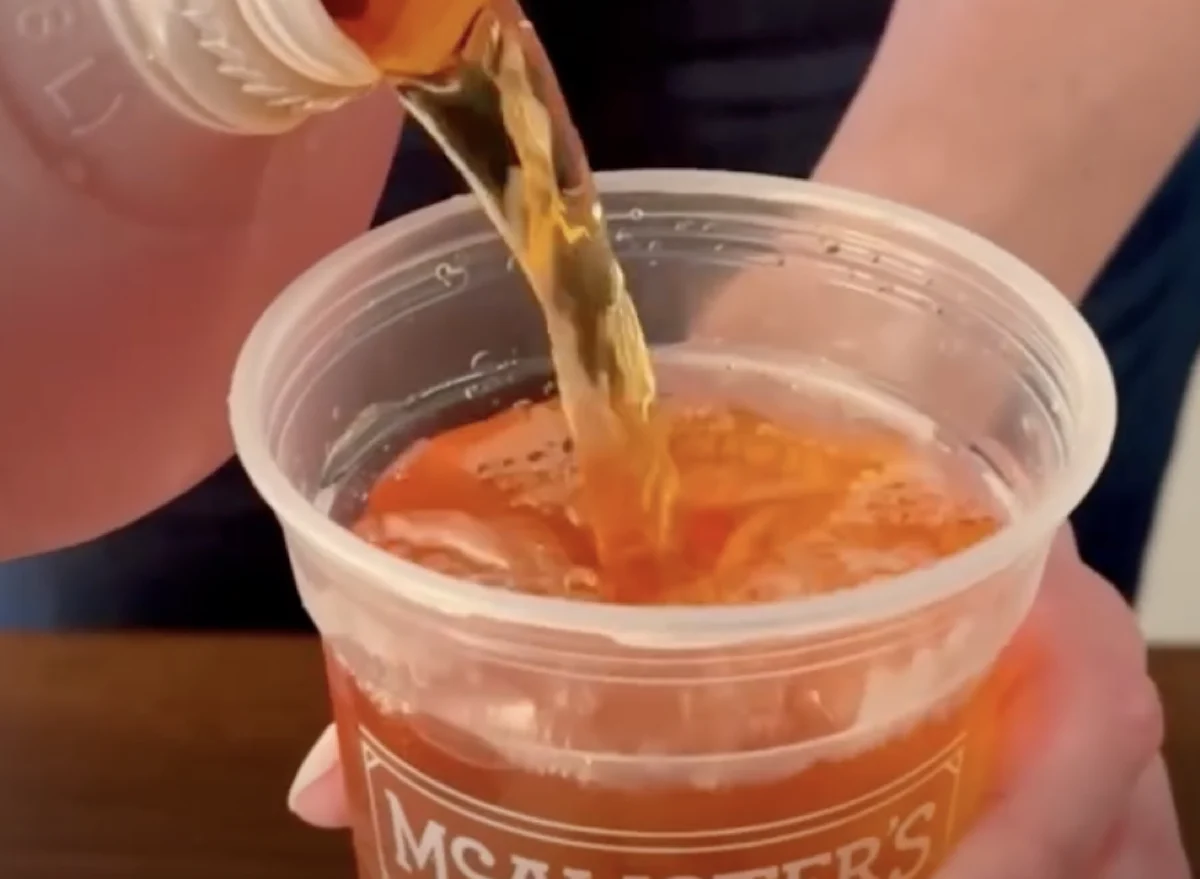
Among the highly regarded purveyors of this sweetened brew, McAlister’s Deli consistently emerges at the top of many informal consumer polls. Their "Famous Sweet Tea" is not merely a menu item but a foundational element of the brand’s identity. The secret to its widespread adoration lies in a meticulously crafted process. McAlister’s reportedly utilizes specially filtered water and premium Orange Pekoe black tea leaves, ensuring a clean base flavor. Orange Pekoe refers to a specific grade of black tea, indicating leaf size and quality, rather than a flavor profile, but it is often associated with a robust and classic black tea taste. The tea is brewed fresh daily, a critical step that prevents staleness and ensures vibrancy. Crucially, the sweetness level is precisely controlled; insider accounts suggest a consistent measurement of eight cups of sugar per batch, contributing to its distinctive and much-loved sugary profile. The brand’s commitment to using Lipton tea further highlights a choice for a widely recognized and reliable tea base. This precise methodology ensures that each glass offers the same refreshing, perfectly balanced sweetness that has cultivated a dedicated fan base across its numerous locations.
Another chain that has successfully captured the palates of sweet tea enthusiasts, even converting those previously indifferent to the drink, is Raising Cane’s. Primarily known for its chicken fingers, this fast-casual eatery has carved out an unexpected niche for its outstanding sweet tea. Patrons frequently highlight the beverage as a must-have accompaniment to their meals. The chain reportedly employs a proprietary tea blend, suggesting a unique selection of tea leaves or a custom formulation designed to achieve a specific flavor profile that stands apart from standard offerings. This custom blend likely contributes to its distinctive taste that even non-traditional sweet tea drinkers find appealing. Beyond the tea itself, the quality of the ice plays a crucial, often underestimated, role in the overall beverage experience. Raising Cane’s is recognized for serving its drinks with a particular type of ice, often described as chewable or pellet ice, which chills the drink effectively without diluting it too quickly and provides a satisfying textural element. This attention to detail, from the tea blend to the ice, demonstrates a comprehensive approach to beverage quality that resonates deeply with consumers.
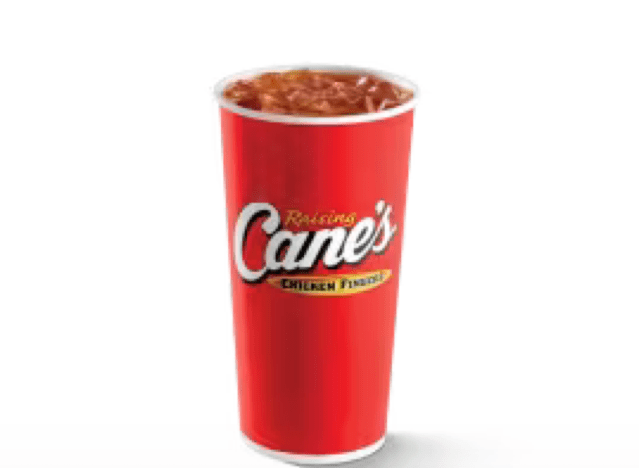
Chick-fil-A, a brand synonymous with exceptional customer service and consistent food quality, extends this reputation to its beverage program, particularly its sweet tea. The chain prides itself on offering a reliably refreshing and delicious iced tea made with genuine sugar, a detail that many consumers appreciate over artificial sweeteners. Their commitment to freshness is evident in their daily brewing process, utilizing a carefully selected blend of tea leaves. This blend is likely chosen for its ability to produce a consistently smooth and well-rounded flavor that holds up to sweetening. For many, Chick-fil-A’s sweet tea is more than just a drink; it’s an integral part of their dining experience, often described by enthusiastic patrons as "liquid gold" for its unparalleled quality and comforting taste. This consistent delivery of a high-quality product reinforces the brand’s image as a reliable source of satisfying food and drink.
Bojangles, deeply rooted in Southern culinary traditions with its famous fried chicken and biscuits, naturally features a sweet tea that lives up to regional expectations. The chain’s beverage is often lauded for its "legendary steep," a phrase that hints at a meticulous brewing process designed to extract maximum flavor and achieve a rich, robust tea base. This robust foundation is then generously sweetened, resulting in a drink characterized by its unapologetic and intense sweetness, a hallmark of traditional Southern sweet tea. Diners frequently express strong devotion to Bojangles’ sweet tea, describing it with hyperbolic enthusiasm that underscores its addictive quality and its perfect synergy with their savory, often spicy, food items. The tea is not merely a drink; it is an essential component of the Bojangles experience, reflecting the deep cultural connection between the South and its signature sweetened brew.
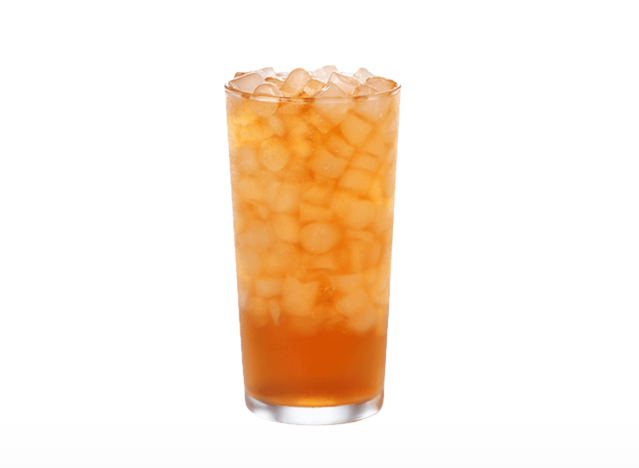
Finally, Cook Out, a regional favorite known for its expansive menu and late-night drive-thru service, also receives significant accolades for its sweet tea. Patrons frequently commend the chain for its well-crafted sweet tea, emphasizing the contribution of its distinctive ice. Cook Out, like Raising Cane’s, often uses finely textured, crushed or pellet ice, which enhances the drinking experience by providing superior chilling and a pleasing chewable quality. This specific type of ice is a significant draw for many, transforming a simple beverage into a more enjoyable and memorable treat. Furthermore, the quality of Cook Out’s sweet tea makes it an excellent base for other popular concoctions, such as the Arnold Palmer, a refreshing mix of half iced tea and half lemonade. The ability of the sweet tea to shine even when combined with another strong flavor speaks volumes about its inherent quality and balanced profile.
In conclusion, the sustained popularity of sweet tea in the United States, particularly within the competitive landscape of national restaurant chains, is a testament to its enduring cultural significance and its unique appeal as a refreshing indulgence. The success of chains like McAlister’s Deli, Raising Cane’s, Chick-fil-A, Bojangles, and Cook Out in this domain underscores a commitment to consistent quality, specific ingredient sourcing, and meticulous brewing processes. These establishments have mastered the art of delivering a beverage that not only quenches thirst but also evokes a sense of comfort, tradition, and regional pride, solidifying sweet tea’s place as a beloved staple across diverse palates.
About the Author