The convenience of pre-shredded cheese has revolutionized home cooking, offering a quick and easy way to add a savory topping or melty layer to countless dishes. From tacos and pizzas to casseroles and salads, these ready-to-use dairy products save valuable time in the kitchen. However, a closer look at ingredient labels often reveals a common addition: anti-caking agents. These substances are widely employed by manufacturers to prevent cheese shreds from clumping together in the package, ensuring a free-flowing product and extended shelf life. Yet, for an increasing segment of consumers, the presence of such additives prompts a desire for simpler, more "clean label" alternatives. This article delves into the functionality of anti-caking agents, their regulatory status, and highlights several prominent shredded cheese brands that have opted to exclude them, catering to a growing demand for ingredient transparency.
At the heart of the discussion surrounding anti-caking agents is cellulose. Often derived from wood pulp or other plant fibers, cellulose is a naturally occurring plant fiber that serves as an insoluble fiber in the human diet. In the context of shredded cheese, it is incorporated in very small quantities to coat individual shreds, creating a barrier that prevents them from sticking to one another, even in humid conditions. This allows for easy pouring and consistent texture. Other common anti-caking agents include potato starch and calcium sulfate, which perform a similar role in maintaining the product’s integrity and user-friendliness.
From a regulatory standpoint, organizations like the U.S. Food and Drug Administration (FDA) classify cellulose as generally recognized as safe (GRAS). This designation indicates that the substance is considered safe for consumption at the levels typically used in food products, and it passes through the body undigested, much like other dietary fibers. Despite this safety assurance, consumer sentiment often leans towards minimizing processed ingredients, leading to a preference for products with fewer perceived additives. The perceived purity of a product often influences purchasing decisions, even when scientific evidence points to the safety of certain ingredients.
While the primary function of anti-caking agents is to enhance convenience and texture, they typically do not contribute any significant nutritional value to the cheese itself. As Tara Collingwood, MS, RDN, CSSD, LD/N, ACSM-CPT, a Board Certified Sports Dietitian, emphasizes, the minute quantities of ingredients like cellulose or starch used for functionality have a negligible impact on the overall nutritional profile of cheese. She underscores that broader dietary considerations, such as the levels of saturated fat, sodium content, and appropriate portion sizes, remain the most crucial nutritional factors when evaluating cheese consumption, regardless of whether anti-caking agents are present. Consumers focused on health and nutrition should prioritize these macronutrient considerations over the minimal impact of anti-caking agents.
The rising trend of "clean eating" and the demand for transparent ingredient lists have prompted many food manufacturers to re-evaluate their formulations. Brands that choose to omit anti-caking agents often highlight this fact as a key differentiator, appealing to shoppers who scrutinize labels and prefer products closer to their natural state. These brands may employ alternative processing methods, such as thicker cuts that are less prone to clumping, or simply rely on the inherent properties of the cheese itself, accepting a potentially slightly less "free-flowing" product in exchange for a cleaner ingredient list. The melting characteristics of cheese can also be subtly affected; products without anti-caking agents might achieve a smoother, more uniform melt, a quality highly valued by culinary enthusiasts.
For consumers seeking shredded cheese options devoid of cellulose or other common anti-caking agents, several brands stand out in the marketplace. These selections demonstrate a commitment to simpler ingredient profiles, catering to various preferences from traditional dairy to plant-based alternatives.
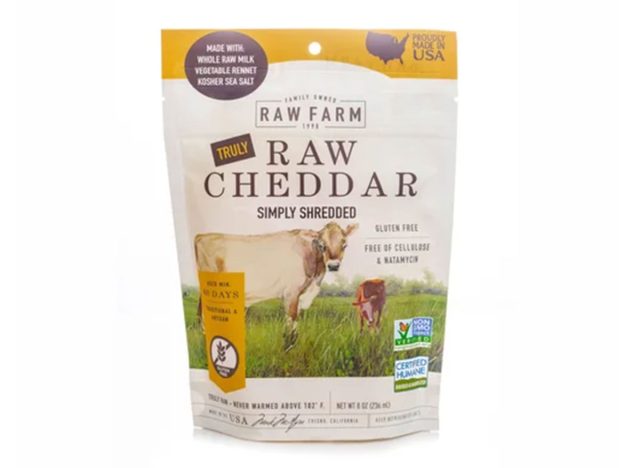
Raw Farm Shredded Cheddar
This brand distinguishes itself by offering a truly raw cheddar, meaning the milk used in its production is unpasteurized. This approach appeals to a niche market of consumers who believe in the benefits of raw dairy, often citing claims of preserved enzymes and probiotics, though it’s important to note that unpasteurized dairy carries inherent risks related to potential bacterial contamination. Raw Farm Shredded Cheddar proudly advertises its zero-cellulose formulation, aligning with a philosophy of minimal processing. While it avoids artificial anti-caking agents, its nutritional composition, like other dairy cheeses, still includes saturated fat and sodium, making portion control a relevant consideration for a balanced diet. The texture of raw cheese can also be distinct, often richer and creamier, which might contribute to its ability to remain separated without additives.
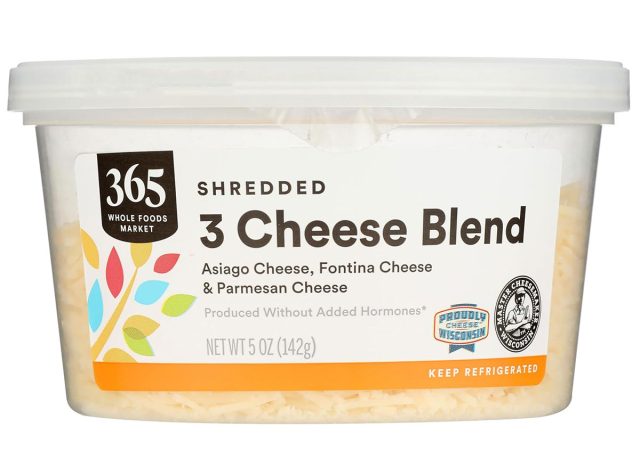
Whole Foods 365 3-Cheese Blend
Whole Foods Market’s private label, 365 Everyday Value, is known for offering quality products with a focus on natural ingredients at competitive prices. Their 3-Cheese blend, typically a mix like cheddar, Monterey Jack, and Colby, is formulated without cellulose. Customers frequently praise this blend for its excellent melting properties, suggesting that the absence of anti-caking agents contributes to a smoother, more authentic cheese pull. This demonstrates that it is possible to achieve desirable functional attributes like good melt without relying on traditional anti-caking additives. From a nutritional perspective, it delivers the expected protein, fat, and calcium of a standard dairy cheese blend.
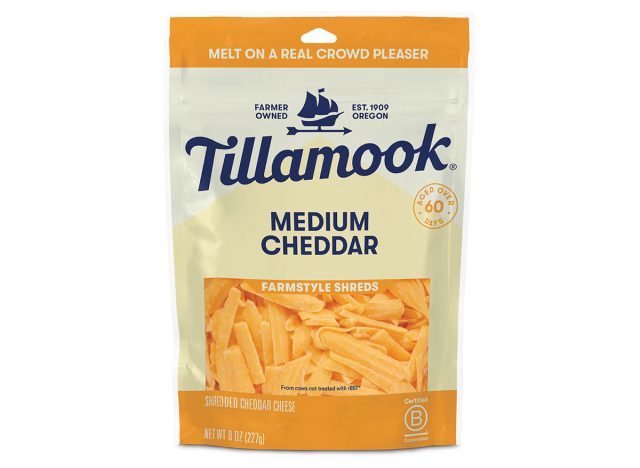
Tillamook Farmstyle Cut Shreds
Hailing from the renowned Tillamook Creamery in Oregon, this brand carries a strong reputation for its high-quality dairy products, rooted in a farmer-owned cooperative model. Tillamook’s Farmstyle Cut Shreds utilize potato starch as an anti-caking agent, rather than cellulose. As highlighted by experts, potato starch serves a functionally similar purpose to cellulose, preventing clumping without significantly altering the nutritional content or posing a health concern in the small amounts used. The "Farmstyle Cut" refers to a thicker shred, which inherently helps reduce the tendency for pieces to stick together, potentially lessening the overall need for heavy application of anti-caking agents. This choice allows Tillamook to offer a convenient shredded product while addressing the preferences of consumers who may wish to avoid cellulose specifically.
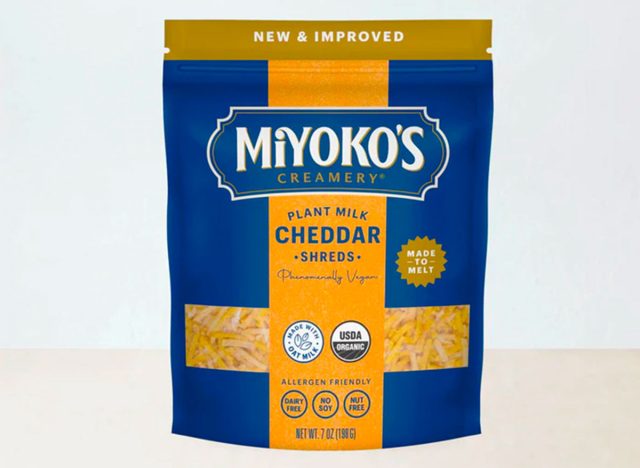
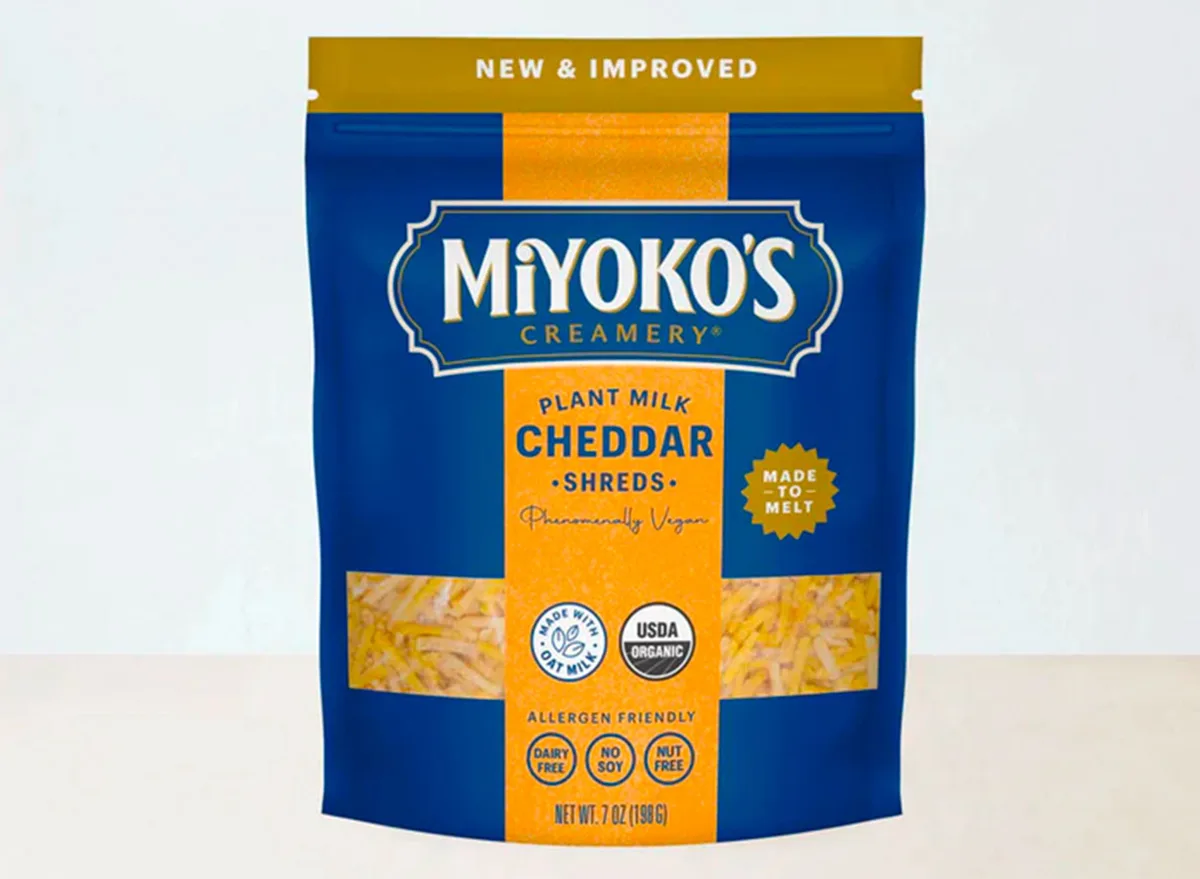
Miyoko’s Organic Vegan Shreds
For individuals adhering to a plant-based diet, Miyoko’s Organic Vegan Shreds offer an innovative dairy-free alternative that completely bypasses the need for traditional anti-caking agents found in dairy products. Miyoko’s Creamery is a leader in the vegan dairy space, known for crafting artisan plant-based cheeses. Their shreds are typically made from a blend of ingredients like cashews, coconut oil, starches, and cultures, designed to mimic the flavor and texture of dairy cheese. It is crucial to understand that the nutritional profile of plant-based shreds differs significantly from conventional dairy cheese. As Ms. Collingwood notes, these products often contain less protein and calcium, relying on coconut oil for a substantial portion of their fat content, which is primarily saturated. Therefore, while excellent for vegans and those with lactose intolerance, they are not a direct nutritional substitute for dairy cheese and should be evaluated based on their unique composition.
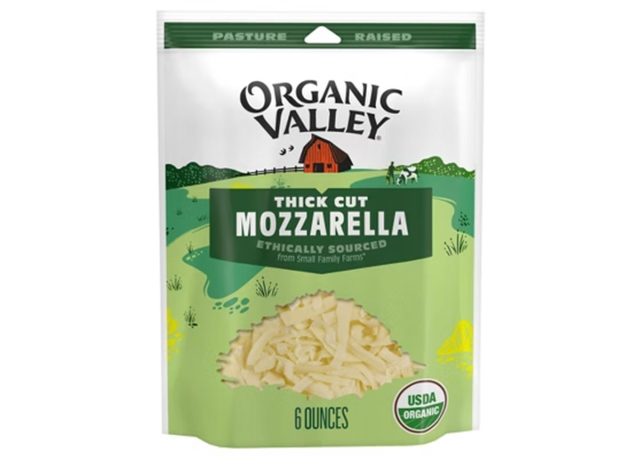
Organic Valley Thick Cut Shredded Cheese
Organic Valley, another prominent farmer-owned cooperative, is synonymous with organic farming practices, animal welfare, and environmentally conscious production. Their Thick Cut shredded cheese varieties are formulated with a minimal amount of starch, rather than cellulose, to prevent sticking. The "thick cut" design aids in this, as larger shreds naturally have less surface area contact, reducing the propensity to clump. This approach aligns with Organic Valley’s broader commitment to clean and organic ingredients. Consumers choosing this option benefit from organic milk sourcing and a product designed to melt effectively and integrate well into recipes. As with all cheese products, the dietitian’s advice to monitor portion sizes due to calories, saturated fat, and sodium remains applicable, ensuring a balanced intake within one’s overall dietary plan.
Applegate Naturals Shredded Cheese
Applegate Naturals has built its brand on a commitment to "clean" ingredients, particularly in meat and dairy products, emphasizing the absence of artificial ingredients, hormones, and antibiotics. Their shredded cheese products reflect this philosophy by being made without cellulose or other common anti-caking agents. This focus on "natural" ingredients resonates strongly with consumers who prioritize ingredient simplicity and seek to avoid highly processed foods. While Applegate’s commitment to natural sourcing is a significant appeal, the nutritional characteristics of their shredded cheese varieties are generally comparable to other conventional dairy cheeses. Therefore, Ms. Collingwood’s consistent advice to remain mindful of portion sizes due to inherent fat and sodium content applies here as well, ensuring that the "natural" label does not overshadow fundamental nutritional considerations.
In conclusion, while anti-caking agents like cellulose are deemed safe and widely used for their functional benefits in shredded cheese, a distinct market segment actively seeks their absence. The brands highlighted here offer excellent choices for consumers prioritizing ingredient simplicity, catering to diverse dietary needs from traditional dairy to plant-based options. Understanding the role of these additives and the broader nutritional context of cheese empowers individuals to make informed decisions that align with their personal dietary preferences and health goals. Ultimately, the best choice depends on a consumer’s specific priorities, whether that be maximum convenience, a "clean label," or a particular flavor and melt profile.
About the Author