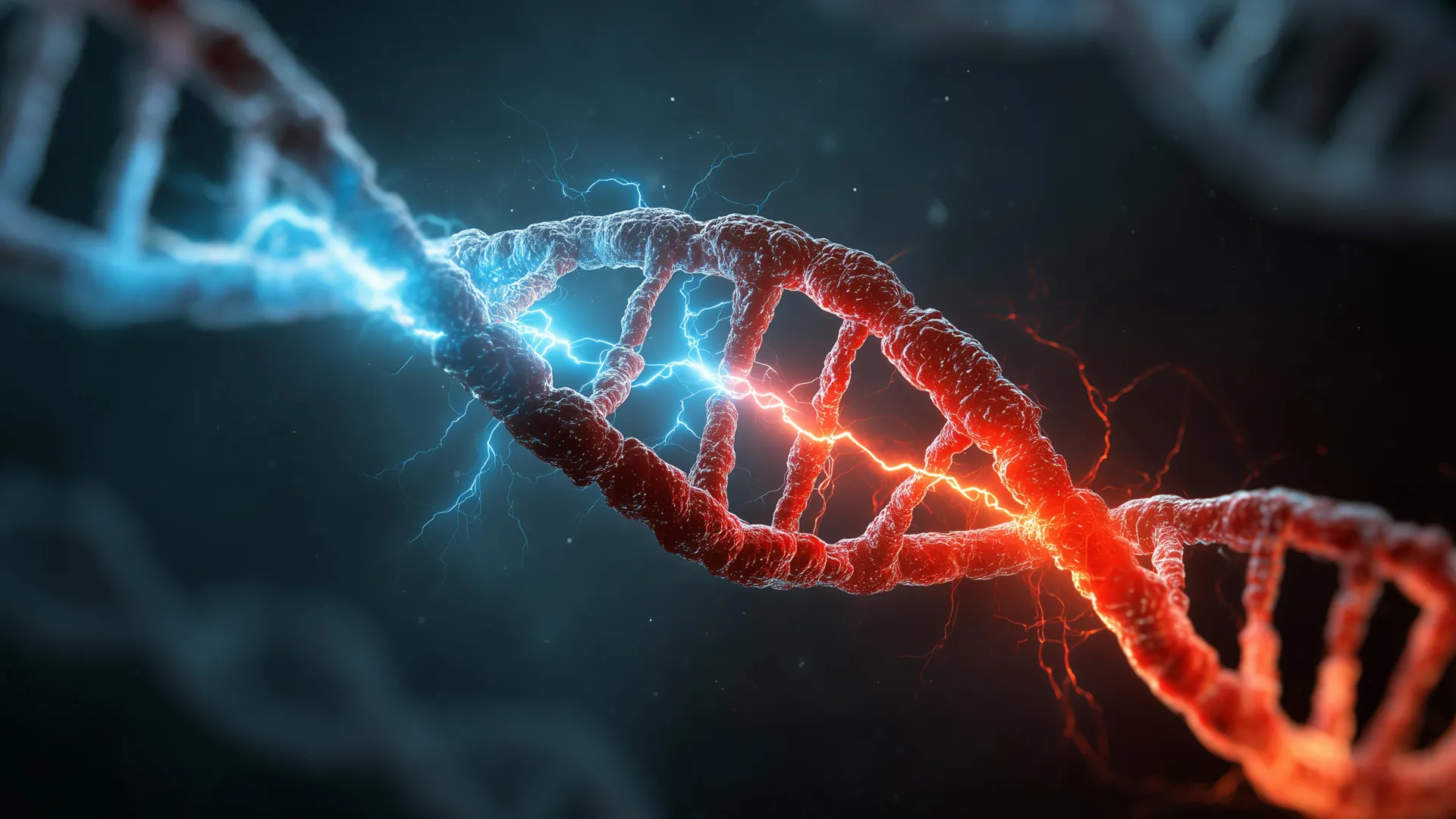
Researchers at Houston Methodist have made a significant breakthrough, identifying a protein that appears to act as a crucial linchpin connecting the fundamental process of DNA repair with the pathogenesis of devastating neurodegenerative diseases like amyotrophic lateral sclerosis (ALS) and frontotemporal dementia (FTD), as well as the development of cancer. This discovery fundamentally challenges previous understandings and opens up novel avenues for investigating these complex human ailments. The protein in question, known as TDP43, has long been associated with the abnormal protein aggregates found in the brains of individuals suffering from ALS and FTD. However, the latest findings reveal its equally critical, albeit previously unrecognized, function in orchestrating DNA mismatch repair, a vital cellular mechanism responsible for correcting errors that inevitably arise during the duplication of genetic material.
The implications of this research, detailed in a recent publication in Nucleic Acids Research, are profound, suggesting that disruptions in TDP43’s regulatory capacity can have far-reaching consequences for cellular health. When the cellular concentration of TDP43 deviates from its optimal range – either becoming excessively diminished or abnormally elevated – the genes tasked with executing DNA mismatch repair are thrown into disarray. Rather than acting as a protective shield against genetic instability, this hyperactive repair machinery can inadvertently inflict damage on delicate neuronal cells and destabilize the very architecture of the genome. This genomic instability is a well-established precursor to the uncontrolled cell proliferation characteristic of cancer.
Dr. Muralidhar L. Hegde, the lead investigator and a professor of neurosurgery at the Houston Methodist Research Institute’s Center for Neuroregeneration, emphasized the fundamental nature of DNA repair, describing it as "one of the most fundamental processes in biology." He further elaborated on the significance of their findings, stating, "What we found is that TDP43 is not just another RNA-binding protein involved in splicing, but a critical regulator of mismatch repair machinery." This revelation, according to Dr. Hegde, "has major implications for diseases like ALS and frontotemporal dementia (FTD) where this protein goes awry." The protein’s involvement in regulating genes that meticulously correct errors during DNA replication means that any imbalance in TDP43 can directly compromise the integrity of our genetic code, a process essential for cell survival and function.
Beyond its established role in neurodegenerative disorders, the research team has unearthed compelling evidence linking TDP43 to the genesis and progression of cancer. By meticulously analyzing extensive cancer genomic databases, the scientists observed a direct correlation: tumors exhibiting higher concentrations of TDP43 also tended to harbor a greater number of genetic mutations. This observation strongly suggests that the protein’s aberrant activity in cancerous cells contributes to a higher rate of genetic alteration, a hallmark of malignancy.
"This tells us that the biology of this protein is broader than just ALS or FTD," Dr. Hegde remarked, underscoring the protein’s multifaceted role. He explained, "In cancers, this protein appears to be upregulated and linked to increased mutation load. That puts it at the intersection of two of the most important disease categories of our time: neurodegeneration and cancer." This convergence highlights a shared underlying molecular vulnerability that could potentially be exploited for therapeutic interventions across disparate disease types. The identification of TDP43 as a common factor in both the breakdown of neural tissue and the uncontrolled growth of tumors signifies a paradigm shift in how these conditions are understood and potentially treated.
The collaborative efforts that underpinned this groundbreaking study involved a consortium of researchers from multiple esteemed institutions. Key contributors from Houston Methodist included Vincent Provasek, Suganya Rangaswamy, Manohar Kodavati, Joy Mitra, Vikas Malojirao, Velmarini Vasquez, Gavin Britz, and Sankar Mitra. Further essential expertise was provided by Albino Bacolla and John Tainer from the MD Anderson Cancer Center, Issa Yusuf and Zuoshang Xu from the University of Massachusetts, Guo-Min Li from UT Southwestern Medical Center, and Ralph Garruto from Binghamton University. This multidisciplinary approach was crucial in dissecting the complex molecular mechanisms at play.
The financial backing for this extensive research was primarily provided by significant grants from the National Institute of Neurological Disorders and Stroke (NINDS) and the National Institute on Aging, both arms of the National Institutes of Health (NIH). Additional support came from the Sherman Foundation Parkinson’s Disease Research Challenge Fund and internal funding allocated by the Houston Methodist Research Institute, demonstrating a concerted effort to advance our understanding of neurological and oncological diseases.
The implications of these findings extend beyond mere academic curiosity, pointing towards promising new therapeutic strategies. In controlled laboratory experiments, the researchers demonstrated that mitigating the excessive DNA repair activity triggered by abnormal TDP43 levels resulted in a partial restoration of cellular function and a reduction in damage. Dr. Hegde expressed optimism regarding the potential of this approach, suggesting that "Controlling DNA mismatch repair may offer a therapeutic strategy." This implies that interventions aimed at normalizing TDP43 function or modulating the downstream effects on DNA repair pathways could offer novel treatment avenues for both neurodegenerative conditions and certain types of cancer. By targeting this fundamental cellular repair system, scientists may be able to intervene in disease processes at a very early stage, potentially preventing irreversible damage or halting the progression of malignancy. The discovery underscores the intricate interconnectedness of cellular processes and highlights how disruptions in seemingly basic functions can cascade into complex and life-threatening diseases. Future research will undoubtedly focus on further elucidating the precise molecular mechanisms by which TDP43 interacts with the DNA mismatch repair machinery and exploring the feasibility of translating these laboratory findings into effective clinical treatments.
About the Author