A groundbreaking discovery in cancer research has revealed a counterintuitive mechanism at the heart of tumor progression: the very cellular machinery driving rapid cancer growth may inadvertently be a source of profound genomic instability, causing the malignant cells to repeatedly damage their own genetic blueprint. This intricate interplay between hyperactive gene expression and DNA integrity suggests that the relentless drive for proliferation, a defining characteristic of cancer, comes at a high cost, physically straining the genetic material and creating hotspots for mutations that can ultimately enhance a tumor’s ability to adapt, resist treatment, and spread.
Cancer, fundamentally, is a disease of uncontrolled cell division, stemming from a series of genetic alterations that enable cells to bypass normal regulatory checkpoints and multiply without restraint. A hallmark of virtually all cancers is genetic instability, an elevated propensity for mutations and chromosomal abnormalities. For decades, researchers have understood that this instability provides the raw material for tumor evolution, allowing cancer cells to acquire new traits advantageous for survival, such as resistance to chemotherapy or the capacity for metastasis. However, the precise origins of this widespread genetic chaos have often remained elusive, viewed sometimes as a consequence rather than an active, self-perpetuating process directly linked to the core mechanisms of malignancy.
At the molecular level, DNA serves as the instruction manual for all cellular processes. Genes, specific segments of DNA, contain the codes for proteins and RNA molecules essential for life. In healthy cells, gene activity is meticulously regulated, ensuring that genes are switched on or off at the appropriate times and to the correct extent. Cancer cells, however, hijack this regulatory machinery, often dramatically amplifying the expression of genes that promote growth, survival, and division, while silencing genes that would otherwise suppress tumor formation or induce cell death. Central to this aberrant gene activation are specialized regulatory DNA elements known as enhancers. These regions, located often far from the genes they control, act as critical docking sites for transcription factors, proteins that initiate and regulate gene transcription. Among these, "super-enhancers" stand out as exceptionally potent control hubs. Unlike typical enhancers, super-enhancers are vast clusters of enhancer elements that drive extraordinarily high levels of gene expression, acting like powerful accelerators for gene activity. In cancer, these super-enhancers are frequently reprogrammed to aberrantly drive oncogenes—genes that promote cell growth and division—to unprecedented levels, thereby maintaining the malignant phenotype and fueling the tumor’s aggressive growth.
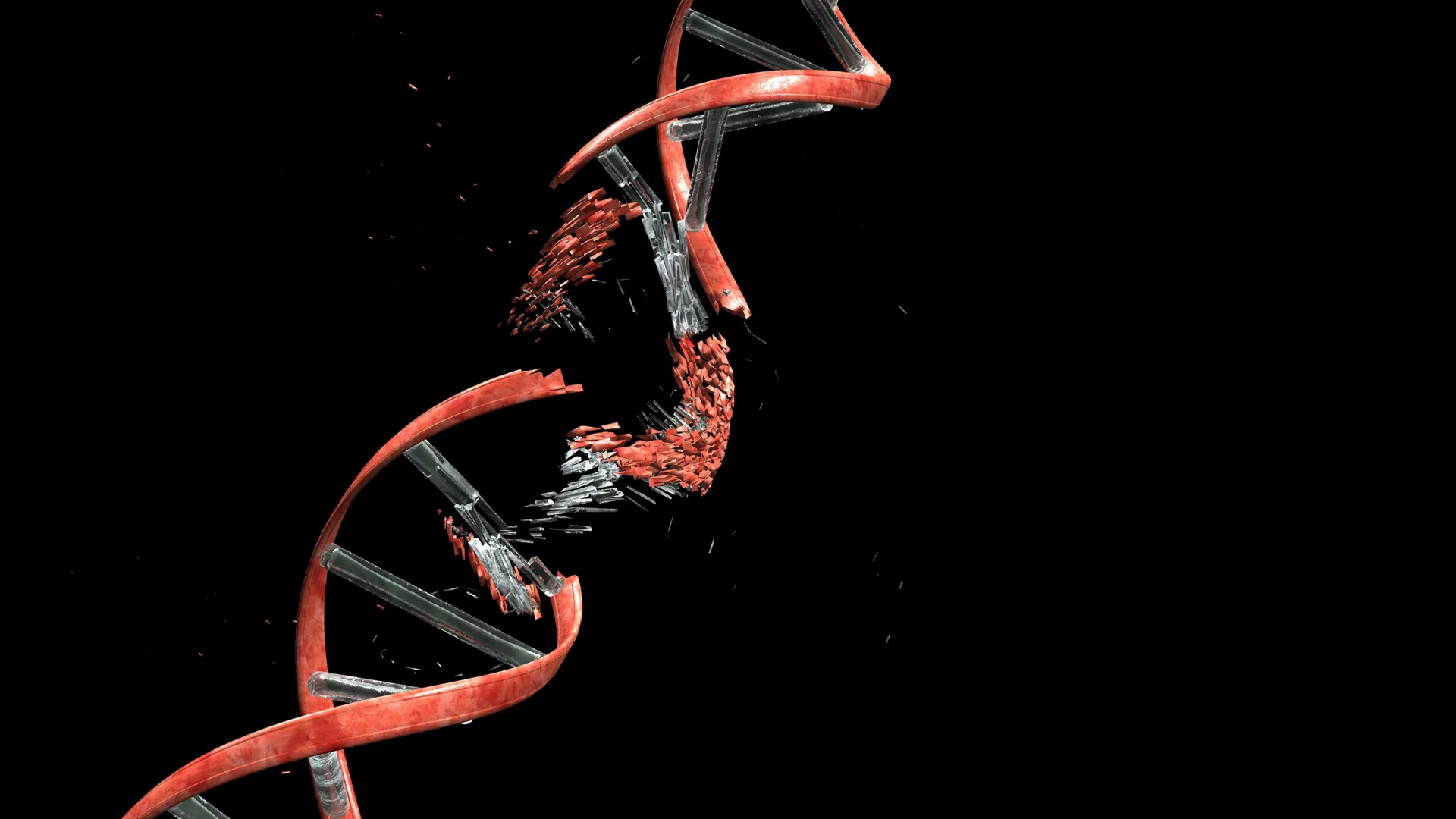
The new research illuminates a previously overlooked physical consequence of this super-enhancer-driven hyperactivity. As cancer cells push critical growth-related genes to their absolute maximum output, the very act of intensely transcribing these genes places immense physical stress on the DNA molecule itself. The process of transcription involves unwinding the DNA helix and synthesizing RNA, a process that can induce torsional stress, akin to twisting a rope until it frays. Moreover, in regions of high transcriptional activity, the DNA is more open and accessible, making it vulnerable to various forms of damage. This heightened activity can also lead to the formation of R-loops, three-stranded nucleic acid structures formed when nascent RNA strands hybridize with the DNA template, displacing one of the DNA strands. R-loops are known fragile sites in the genome and can act as physical impediments, causing collisions with the DNA replication machinery. Such conflicts between transcription and replication forks can lead to their collapse, culminating in one of the most severe forms of DNA damage: double-strand breaks (DSBs), where both strands of the DNA helix are severed.
A team of researchers from the Hebrew University of Jerusalem, spearheaded by PhD student Osama Hidmi under the guidance of Professor Rami Aqeilan, meticulously investigated this phenomenon. Their findings, recently published in the esteemed journal Science Advances, represent a significant advancement in our understanding of how tumors orchestrate their own genomic instability. Employing a sensitive genome-mapping methodology, the scientists were able to create precise maps detailing the locations of these critical double-strand breaks across the cancer cell genome. Their analysis revealed a striking pattern: the DNA damage was not distributed randomly but instead clustered specifically within genes that were under the powerful influence of super-enhancers. This direct correlation provided compelling evidence that the sustained, high-output transcriptional activity driven by these super-enhancers was indeed the causal factor behind the localized DNA fragility, pushing the DNA past its breaking point.
Intriguingly, the study also tracked the cellular response to this damage. Cells possess sophisticated surveillance systems that detect DNA breaks and initiate repair processes. The researchers observed that cancer cells repeatedly engaged these repair mechanisms within these intensely active, super-enhancer-controlled regions. While these repair efforts are crucial for the tumor cells’ immediate survival—allowing them to mend the damage and continue proliferating—they also come with a significant long-term cost. DNA repair pathways, especially those involved in repairing double-strand breaks, are not always perfect, particularly when performed repeatedly in highly active genomic regions. Each cycle of breakage and subsequent repair presents an opportunity for small errors or inaccuracies to be introduced into the genetic code. Over time, these cumulative mistakes lead to an accumulation of mutations in these critical growth-promoting regions, further destabilizing the genome.
This cyclical process of self-inflicted damage and imperfect repair creates a powerful engine for tumor evolution and adaptation. The accumulating mutations provide the raw material upon which natural selection acts within the heterogeneous tumor microenvironment. As Professor Rami Aqeilan explained, "Cancer cells rely on super-enhancers to keep growth genes running at high speed. What we found is that this same high-output activity can put real strain on the DNA, creating break hotspots that the cell has to repair again and again. That cycle may help tumors survive in the short term, but it also increases the risk of mutations that can fuel cancer’s evolution." These genetic alterations can bestow new capabilities upon cancer cells, enabling them to evade immune surveillance, become resistant to targeted therapies, metastasize to distant organs, or survive under harsh conditions, ultimately driving the tumor towards a more aggressive and intractable state. Thus, the very mechanism that grants cancer its initial advantage – uncontrolled growth – simultaneously sows the seeds of its future adaptability through genomic instability.
The identification of this paradox also opens up promising new avenues for therapeutic intervention. If cancer cells are critically dependent on these high-stress, super-enhancer-driven regions for their survival and continued growth, then these very regions represent significant vulnerabilities. Osama Hidmi, the lead PhD student, highlighted this potential: "Because cancer cells depend on these high-stress DNA regions to keep growing, they may also be more vulnerable there. This opens the door to treatments that target the very processes tumors rely on to survive." This principle, often referred to as "oncogene addiction," suggests that targeting these specific processes could selectively harm cancer cells while sparing healthy ones. Future therapeutic strategies could involve developing drugs that specifically disrupt the intense transcriptional activity driven by super-enhancers, perhaps through epigenetic modulation or direct inhibition of transcription factors. Alternatively, interventions could focus on preventing cancer cells from efficiently repairing the self-inflicted DNA damage in these vulnerable hotspots, pushing them past a critical threshold of genomic damage, leading to programmed cell death (apoptosis). This approach could leverage the concept of synthetic lethality, where inhibiting two non-essential pathways simultaneously becomes lethal to cancer cells.
This research fundamentally reshapes our understanding of genetic instability in cancer, moving beyond the idea of it being a passive consequence to recognizing it as an active process intrinsically linked to the tumor’s relentless growth imperative. By exposing the direct connection between aggressive gene expression and the generation of DNA breaks, the study provides a crucial piece of the complex puzzle that is cancer’s evolutionary resilience. Further research will undoubtedly delve deeper into the precise molecular mechanisms underlying this DNA damage and explore the feasibility of developing targeted therapies that exploit these newly identified vulnerabilities. Ultimately, by turning one of cancer’s greatest strengths—its drive for unbridled proliferation—into a critical weakness, scientists may forge innovative strategies to disarm this formidable disease and offer new hope for patients.
About the Author