As the global population ages, the discourse surrounding healthy aging increasingly centers on maintaining physical vitality and independence into later life. For individuals over the age of 60, regular physical activity is not merely beneficial; it is a cornerstone of sustained well-being, influencing everything from cardiovascular health to cognitive function. Among the myriad forms of exercise, walking frequently emerges as the most accessible and widely adopted, often recommended as a daily habit. While a consistent 30-minute walk undeniably lays a robust foundation for fitness, a truly holistic approach to senior health necessitates a broader integration of diverse physical disciplines to address the multifaceted physiological demands of aging.
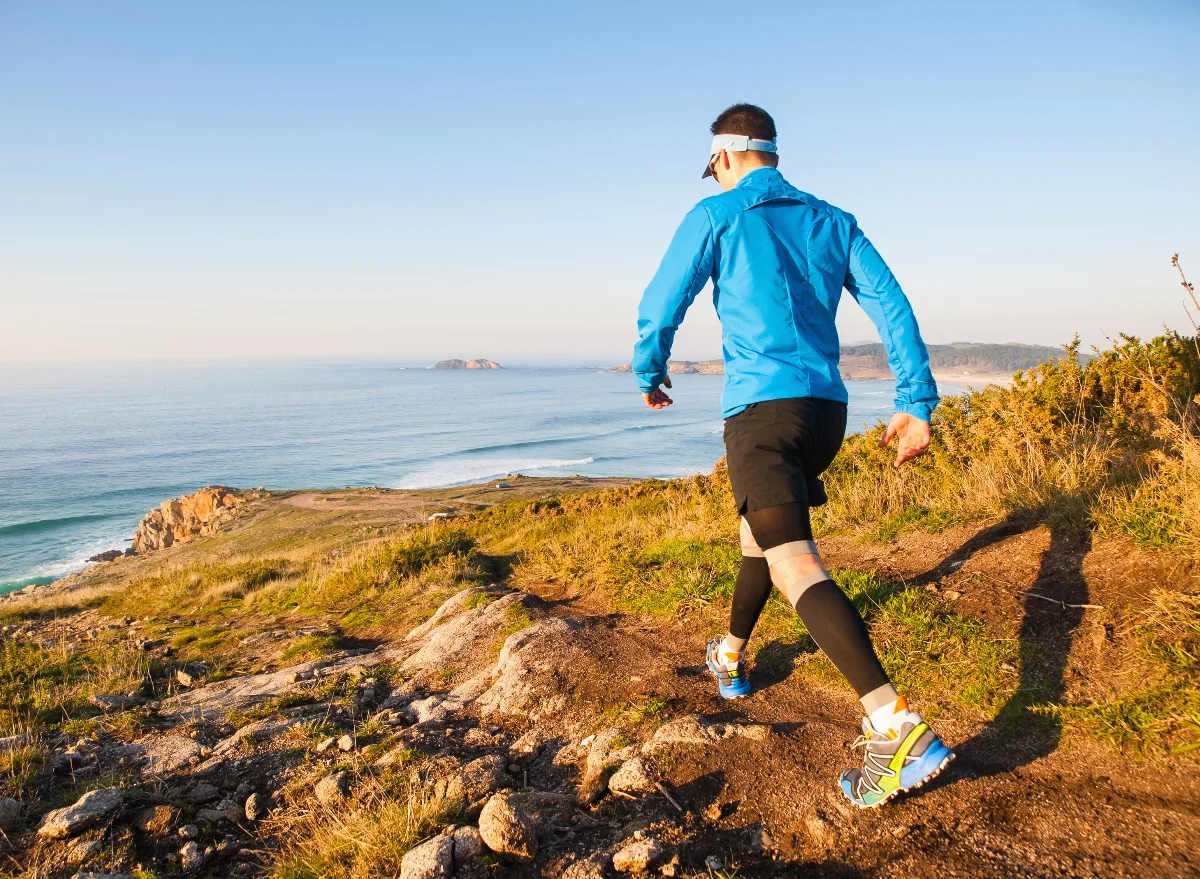
The act of walking, particularly at a moderate intensity, serves as an excellent entry point into regular physical activity. Its simplicity requires no specialized equipment or gym membership, making it a viable option for a vast demographic. This straightforward activity aligns closely with the baseline recommendations set forth by leading health organizations, such as the Centers for Disease Control and Prevention (CDC) and the American Heart Association (AHA). These bodies generally advocate for at least 150 minutes of moderate-intensity aerobic activity each week for older adults. Broken down, this often translates to a 30-minute brisk walk on five days out of seven, forming a significant component of an active lifestyle.
The Foundational Role of Aerobic Activity
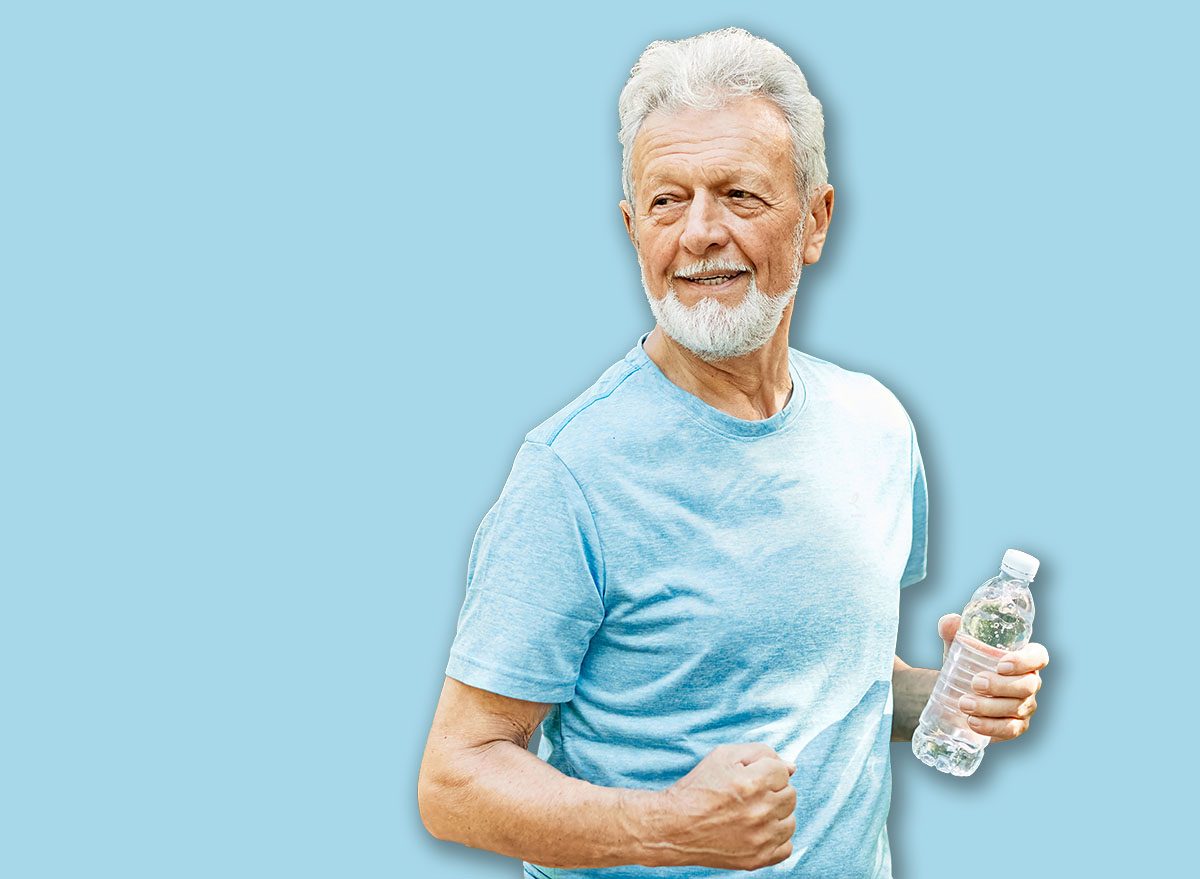
Regular, brisk walking delivers a profound array of benefits, primarily bolstering the cardiovascular system. When an individual engages in moderate-intensity walking, their heart rate elevates, and breathing deepens, signaling that the heart is working more efficiently to pump oxygen-rich blood throughout the body. This consistent exertion strengthens the cardiac muscle, improves blood circulation, and contributes significantly to maintaining healthy blood pressure levels, thereby mitigating the risk of heart disease and stroke, which are prevalent concerns in older age groups.
Beyond cardiac health, the metabolic advantages of consistent walking are substantial. It plays a critical role in regulating blood glucose levels, a key factor in preventing or managing type 2 diabetes. The increased energy expenditure aids in weight management, reducing the strain on joints and organs. Furthermore, physical activity stimulates the release of endorphins, natural mood elevators that can combat feelings of anxiety and depression, fostering improved mental well-being. Studies have also indicated a positive correlation between regular aerobic exercise and enhanced cognitive function, including memory and processing speed, potentially delaying the onset of age-related cognitive decline. Moreover, the simple act of moving regularly helps to maintain mobility and stamina, enabling individuals to perform daily tasks with greater ease and independence, which is crucial for overall quality of life.
The effectiveness of walking as a fitness tool is profoundly influenced by its intensity. A casual stroll, while better than complete inactivity, typically falls short of eliciting the physiological adaptations associated with moderate-intensity exercise. To truly derive aerobic benefits, the pace must be brisk enough to elevate the heart rate and respiration. The American Heart Association characterizes moderate-intensity walking as moving at approximately 2.5 miles per hour or faster. A practical guideline for assessing appropriate intensity is the "talk test": an individual should be able to converse but not sing comfortably, indicating a noticeable effort without being overly breathless. Factors such as varied terrain, inclines, environmental temperature, and individual fitness levels can all influence the perceived exertion, making it essential to adjust the pace to ensure the activity remains challenging yet sustainable, allowing for recovery and consistent repetition.
Addressing the Gaps: Why Walking Alone Isn’t Enough

While the benefits of regular walking are undeniable, limiting physical activity solely to aerobic exercise leaves critical components of comprehensive fitness unaddressed, particularly for individuals over 60. As we age, the body undergoes several physiological changes that necessitate a more diverse exercise strategy. These include sarcopenia, the progressive loss of muscle mass and strength; a decline in bone mineral density, increasing the risk of osteoporosis and fractures; and reduced balance and proprioception, elevating the risk of falls. Walking, predominantly a lower-body aerobic activity performed on stable surfaces, does not adequately challenge the body in ways that counteract these specific age-related declines.
A truly robust fitness profile for older adults must encompass not only cardiovascular endurance but also muscular strength, balance, and flexibility. The CDC explicitly recommends that older adults integrate muscle-strengthening activities and balance exercises into their weekly routines, alongside aerobic exercise. Neglecting these areas can lead to a gradual erosion of functional independence, increased vulnerability to injury, and a diminished capacity to engage in everyday activities without assistance.
Integrating the Missing Pillars: Strength, Balance, and Flexibility
To achieve a comprehensive state of fitness, individuals over 60 must actively incorporate exercises that target the areas where walking falls short.

-
Strength Training: This component is vital for combating sarcopenia and preserving muscle mass, which is crucial for metabolism, joint support, and maintaining the ability to perform daily tasks such as lifting groceries, climbing stairs, or getting up from a chair. Engaging major muscle groups through resistance exercises two or more days a week is recommended. This doesn’t necessarily mean lifting heavy weights at a gym; effective strength training can involve bodyweight exercises (e.g., squats, lunges, push-ups against a wall or incline), resistance bands, or light dumbbells. Progressive overload, gradually increasing the resistance or repetitions over time, is key to continued muscle adaptation and strength gains. Moreover, strength training places beneficial stress on bones, stimulating mineral deposition and helping to maintain bone density, thereby reducing the risk of osteoporosis.
-
Balance Training: Falls represent a significant health concern for older adults, often leading to serious injuries, loss of independence, and decreased quality of life. Balance training specifically targets the systems responsible for maintaining stability and coordination. While walking provides some proprioceptive input, it often occurs on predictable surfaces. Incorporating exercises that challenge dynamic and static balance can significantly reduce fall risk. Simple yet effective examples include standing on one leg (holding onto support initially), heel-to-toe walking, or practicing Tai Chi, an ancient Chinese martial art known for its gentle, flowing movements that enhance balance and flexibility. These exercises help improve coordination, strengthen core stability, and refine the body’s ability to react to shifts in equilibrium.
-
Flexibility and Mobility: While not always highlighted as explicitly as strength or aerobic capacity, maintaining flexibility and a good range of motion in joints is essential for preventing stiffness, improving posture, and facilitating ease of movement in daily life. Walking provides some range of motion, but specific stretching exercises can target key muscle groups and joints that may become tight or restricted with age. Static stretches, held for 20-30 seconds, and dynamic stretches, which involve moving a limb through its full range of motion, can be performed several times a week. Activities like yoga or Pilates also offer excellent avenues for improving both flexibility and core strength.
Crafting a Holistic Weekly Plan
A truly effective fitness strategy for individuals over 60 integrates all these components into a sustainable weekly routine. This approach ensures that all aspects of physical health are addressed, leading to enhanced functional capacity, reduced risk of chronic diseases and injuries, and a greater overall sense of vitality.
A sample weekly framework might look like this:
- Monday, Wednesday, Friday: 30 minutes of brisk walking. These days focus on cardiovascular health and endurance. The pace should be challenging but sustainable, adhering to the "talk test" principle.
- Tuesday, Saturday: 20-30 minutes of muscle-strengthening exercises. These sessions should target major muscle groups using bodyweight, resistance bands, or light weights. Examples include squats, lunges, bicep curls, overhead presses, and planks.
- Thursday, Sunday: Active recovery or longer, easier walks. These days can involve lighter activity, such as a gentle walk, stretching, or engaging in hobbies like gardening.
- Daily Integration: Incorporate 5-10 minutes of balance exercises into several days of the week, perhaps after a walk or a strength session. Simple balance drills can be practiced while waiting for water to boil or during commercial breaks. Flexibility exercises can also be woven into daily routines or dedicated sessions a few times a week.
This structured approach transforms walking from a standalone activity into a central pillar within a comprehensive fitness architecture. The brisk walks provide the aerobic foundation, the strength sessions work to preserve and build muscle mass and bone density, and the balance work hones stability, significantly reducing the risk of falls. This multifaceted strategy resonates with findings from significant research, such as the Lifestyle Interventions and Independence for Elders (LIFE) Study. This large-scale randomized clinical trial demonstrated that a physical activity program encompassing walking, resistance training, flexibility, and balance work significantly reduced major mobility disability in older adults at risk, compared to a health-education program.
Beyond Structured Exercise: Lifestyle and Support

It is also crucial to recognize that physical activity is part of a larger wellness ecosystem. Lifestyle factors such as adequate hydration, a balanced nutritional intake rich in protein for muscle maintenance, and sufficient restorative sleep all play critical supporting roles in optimizing the benefits of an exercise regimen. Moreover, minimizing sedentary behavior throughout the day by incorporating non-exercise activity thermogenesis (NEAT)—such as standing while talking on the phone, taking stairs instead of elevators, or engaging in light household chores—can further enhance overall health.
Before embarking on any new or significantly altered exercise program, especially for individuals over 60, it is always advisable to consult with a healthcare professional. This ensures that the chosen activities are appropriate for individual health conditions and fitness levels, allowing for personalized guidance and maximizing safety.
In conclusion, while a daily 30-minute brisk walk is an excellent habit and a vital component of healthy aging, it represents only one facet of a complete fitness picture for individuals over 60. By consciously integrating strength training, balance exercises, and flexibility work alongside consistent aerobic activity, older adults can cultivate a comprehensive, resilient physical foundation. This holistic approach not only addresses the specific physiological challenges of aging but also empowers individuals to maintain independence, vitality, and a high quality of life, truly thriving in their golden years.
About the Author