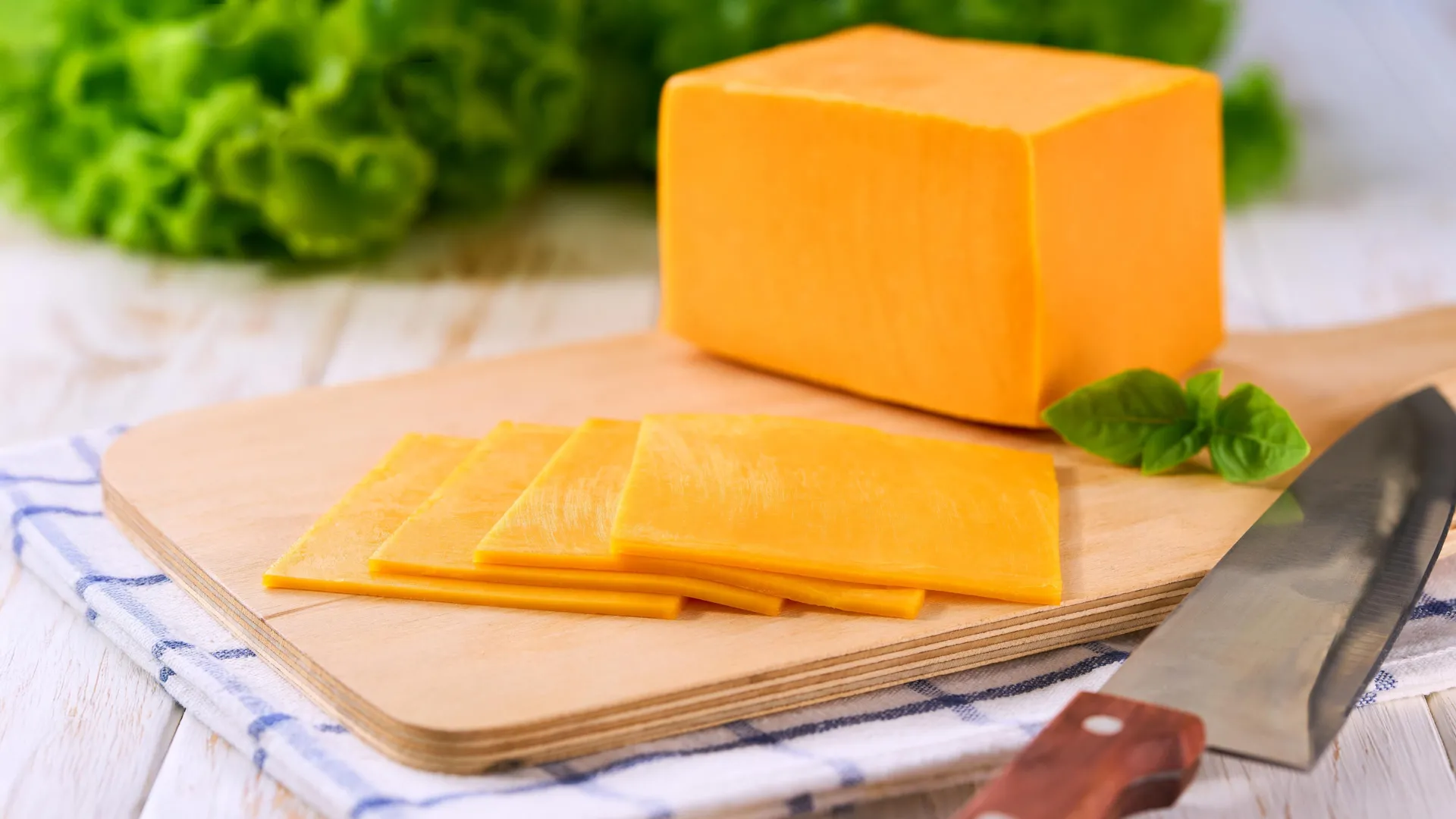
A comprehensive, quarter-century-long investigation conducted in Sweden has brought to light a noteworthy correlation: individuals in middle and older age who incorporated more full-fat cheese and cream into their diets exhibited a diminished propensity for developing dementia. While these findings might appear to offer a comforting prospect, the scientific team behind the research has strongly advised a cautious interpretation of the results, emphasizing that they do not establish a definitive causal link.
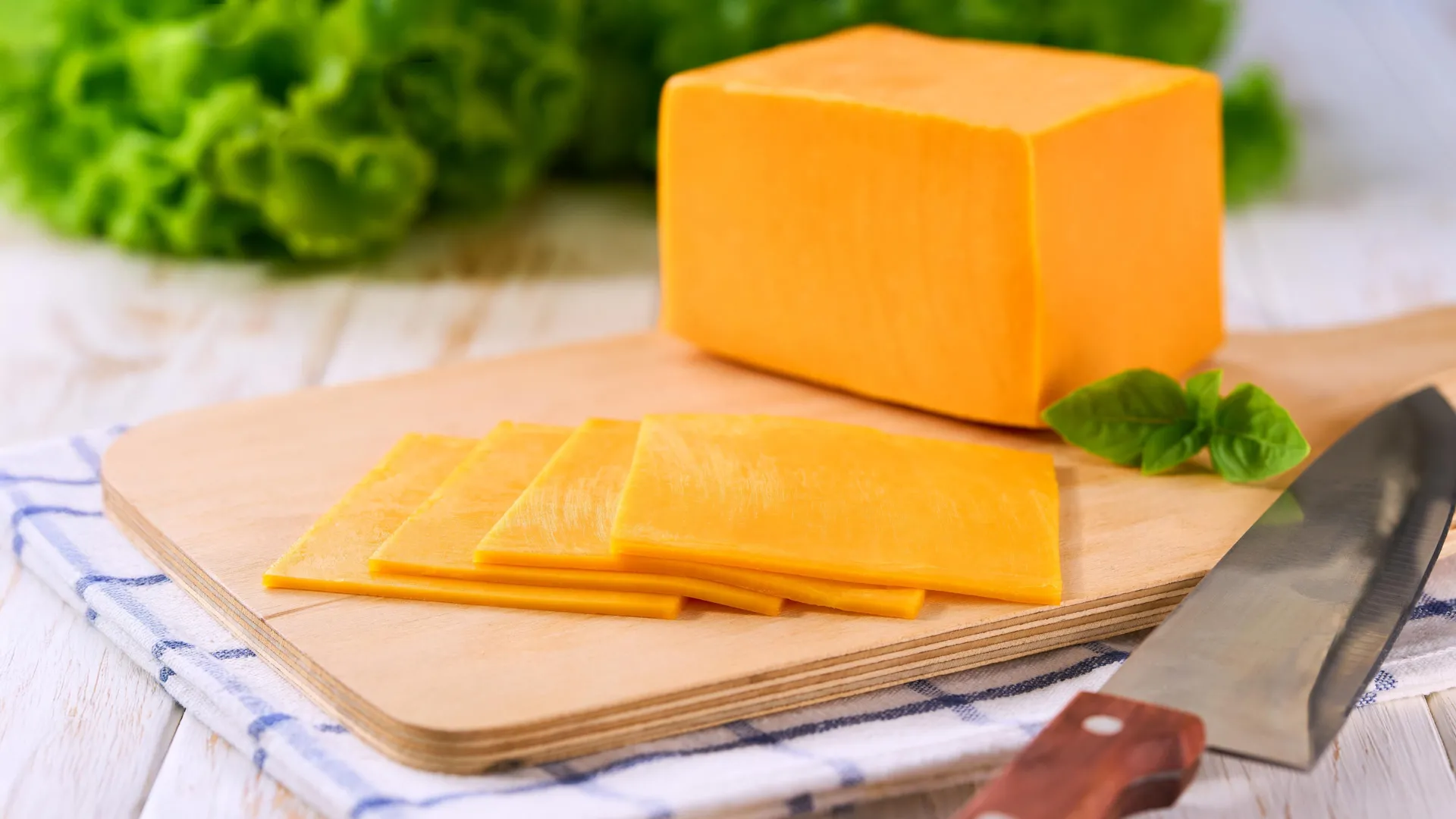
The meticulous data collection for this pivotal study involved tracking the dietary habits and health outcomes of 27,670 participants over a span of 25 years. During this extensive observation period, a total of 3,208 individuals were formally diagnosed with dementia. The analysis revealed a particularly interesting pattern among participants who did not possess known genetic predispositions for Alzheimer’s disease. Specifically, those individuals who regularly consumed in excess of 50 grams of full-fat cheese each day demonstrated a statistically significant reduction in their risk of developing Alzheimer’s, ranging between 13% and 17%. Intriguingly, this particular association was not observed in the subset of participants who carried genetic markers associated with an increased risk of the disease.
Beyond cheese, the study also identified a beneficial trend associated with cream consumption. Individuals who consumed more than 20 grams of full-fat cream daily displayed an overall lower risk of dementia, with the observed reduction spanning from 16% to 24%. However, the researchers did not find any discernible or meaningful connections between dementia risk and the consumption of low-fat or high-fat milk, nor for either fermented or non-fermented milk products, and critically, not for low-fat cream.
These findings present a compelling departure from established public health recommendations that have, for many years, championed the selection of low-fat dairy products as a strategy for safeguarding cardiovascular health. The rationale behind this long-standing advice is rooted in the substantial overlap of underlying risk factors shared by cardiovascular disease and dementia, including hypertension, diabetes, and obesity. The current investigation, therefore, challenges this established paradigm by suggesting that certain full-fat dairy items might not be detrimental and could, in fact, be associated with positive neurological outcomes.
When juxtaposed with existing scientific literature, the current findings align with a growing body of evidence suggesting that cheese consumption might also be linked to a reduced risk of heart disease, and crucially, that full-fat dairy products do not invariably elevate cardiovascular risk. While numerous studies have explored the potential relationship between dairy intake and brain health, the collective results have historically been varied and, at times, contradictory.
The global landscape of research into dairy consumption and cognitive health reveals a complex picture, with regional and demographic differences playing a significant role. Evidence accumulated from studies conducted in Asian populations more frequently reports beneficial effects of dairy consumption on cognitive function. Conversely, a substantial proportion of European studies have failed to replicate these positive associations. One plausible explanation for this disparity lies in the vastly different average dairy intake levels between these regions. In Asian countries, where per capita dairy consumption is typically much lower, even modest levels of intake might exert a different influence compared to the higher consumption patterns observed in many Western nations.
Illustrative of this point, one study originating from Japan reported a decrease in dementia risk among individuals who consumed cheese. However, a critical caveat to this research was the extremely low overall consumption levels of cheese within the study population, and the research itself was supported by funding from a cheese producer, raising potential questions about impartiality. In stark contrast, another Japanese study, which received funding from government grants rather than industry, found no protective effect of cheese consumption on dementia risk.
Despite these variations, some long-term European studies have indeed reported positive outcomes. For instance, a Finnish study that followed 2,497 middle-aged men for over two decades identified cheese as the sole food item significantly associated with a lower risk of dementia, a reduction calculated at 28%.
Beyond the consumption of specific dairy products, broader dietary patterns are increasingly recognized as significant determinants of brain health. Higher intakes of milk and processed red meat have been associated with poorer performance on cognitive assessments, whereas a greater consumption of fish has been consistently linked to enhanced cognitive abilities. A substantial study conducted in the United Kingdom, which enrolled nearly a quarter of a million participants, discovered a lower risk of dementia among individuals who consumed fish two to four times per week, incorporated fruit into their daily diet, and ate cheese approximately once a week.
However, it is imperative to acknowledge the inherent limitations present in many of these observational studies. A primary challenge is the reliance on self-reported dietary information, a method susceptible to recall bias. Changes in cognitive function, particularly in the early stages of dementia, can subtly influence eating habits, appetite, and the accuracy with which individuals can recall their past dietary intake. To mitigate these potential confounding factors, the Swedish researchers implemented two crucial methodological enhancements.
Firstly, the study meticulously excluded any participants who were already diagnosed with dementia at the outset of the research. Secondly, and perhaps more significantly, the researchers conducted a secondary analysis by re-evaluating their findings after removing individuals who developed dementia within the initial ten years of the study’s duration. This iterative approach did not necessitate initiating a new study or recruiting additional participants; it simply involved a re-examination of the existing data using a refined cohort—those who remained cognitively healthy for a substantially longer period. The underlying rationale for this rigorous step is the understanding that the nascent stages of dementia can manifest subtle behavioral alterations long before a formal diagnosis is made. These early changes can include shifts in food preferences, diminished appetite, or difficulties in accurately recalling established eating routines. By focusing on participants who maintained cognitive well-being for an extended duration, the researchers aimed to minimize the possibility that these early, pre-diagnostic cognitive changes were unduly influencing the observed dietary associations.
An additional pertinent consideration in dietary research is the potential role of food substitution. It is conceivable that some of the observed benefits attributed to cheese or cream might not stem from the intrinsic properties of these dairy products themselves, but rather from their displacement of other, less healthy food items, such as red or processed meats, within the diet. Supporting this hypothesis, the Swedish study did not find any association between the consumption of full-fat dairy and dementia risk among participants whose dietary patterns remained consistently stable over a five-year period. This suggests that the context of the overall diet is of paramount importance.
Ultimately, the scientific consensus increasingly emphasizes that individual foods should not be assessed in isolation. Rather, it is the totality of dietary patterns that holds the greatest significance for health outcomes. Dietary approaches such as the Mediterranean diet, which is consistently associated with reduced risks of both dementia and cardiovascular disease, exemplify this principle. This pattern integrates cheese consumption alongside a wealth of nutrient-rich components, including abundant vegetables, fish, whole grains, and fruits.
Furthermore, lifestyle factors may account for a portion of the observed association. Within the Swedish study cohort, individuals who reported higher consumption of full-fat cheese and cream also tended to be more highly educated, less likely to be overweight, and exhibited lower incidences of conditions known to be associated with an increased risk of dementia, such as heart disease, stroke, high blood pressure, and diabetes. Each of these factors, independently, is recognized to contribute to a reduction in dementia risk. This observation suggests that a higher intake of full-fat dairy may be a marker of a healthier overall lifestyle, rather than being directly causative of improved brain health, especially when contrasted with dietary patterns characterized by excessive calorie intake or poor metabolic health.
In summation, the cumulative evidence, including this latest Swedish investigation, does not provide support for the assertion that full-fat dairy products directly cause dementia, nor does it definitively establish that fermented milk products offer a consistent protective effect against the condition. Nevertheless, full-fat cheese is a source of several nutrients that are recognized as important for brain function, including fat-soluble vitamins such as A, D, and K2, alongside vitamin B12, folate, iodine, zinc, and selenium. These micronutrients play vital roles in neurological processes and may contribute to the maintenance of cognitive health.
Despite these nutritional contributions, the current data do not warrant the recommendation of consuming large quantities of cheese or cream with the expectation that they will serve as preventative foods against dementia or cardiovascular disease. The most enduring and robust message from nutritional science remains that balanced dietary patterns, moderation in all aspects of eating, and a holistic approach to lifestyle choices are far more impactful for overall health than the consumption or avoidance of any single food item, irrespective of its presence on the cheese board.
About the Author