The ubiquitous presence of chicken in global cuisines underscores its status as a foundational protein, a versatile ingredient gracing countless dinner tables and restaurant menus. Yet, beneath its commonality lies a significant spectrum of quality, a nuance often lost on the average consumer navigating grocery aisles. While many view chicken as a mere commodity, a growing number of discerning home cooks and, crucially, professional chefs recognize that the choice of poultry brand can profoundly impact a dish’s flavor, texture, and overall success. Beyond basic nutritional content, factors ranging from animal husbandry practices to processing techniques contribute to a chicken’s inherent characteristics. To demystify this complex selection, leading culinary experts have offered their insights, pinpointing specific brands found in retail environments that consistently meet their exacting standards. These recommendations are not merely arbitrary preferences but stem from a deep understanding of how superior sourcing and careful handling translate into an elevated culinary experience, whether for a simple weeknight meal or an elaborate festive roast.
The journey from farm to fork dictates much of a chicken’s quality. Premium brands often distinguish themselves through meticulous attention to animal welfare, diet, and environmental conditions. For instance, the distinction between "cage-free" and "pasture-raised" is more than just marketing jargon; it reflects vastly different realities for the birds and, consequently, for the meat they yield. Chickens allowed to roam freely outdoors, foraging naturally, develop stronger muscles and leaner meat, often resulting in a more robust flavor profile and a firmer texture that holds up better during cooking. Their diet, free from genetically modified organisms (non-GMO) and comprised solely of vegetarian feed, eliminates concerns about artificial additives and contributes to the meat’s purity and taste. Conversely, birds raised in confined, stressful environments may exhibit tougher meat due to elevated stress hormone levels, a subtle but significant factor noted by experienced culinarians.
Processing methods also play a critical role in preserving the inherent quality of the poultry. One of the most significant differentiators is the chilling process. Traditional water-chilling, common in mass production, involves immersing carcasses in chilled water baths, which can cause the meat to absorb excess moisture. This added water contributes to weight but dilutes natural flavors and can lead to a less desirable texture, often resulting in watery pan drippings and less crispy skin when cooked. In contrast, air-chilling, a more labor-intensive and expensive method, cools the chickens using cold air, preventing water absorption. This process retains the bird’s natural juices, concentrates its flavor, and ensures a firmer, more succulent texture. Chefs consistently praise air-chilled poultry for its superior cooking performance and authentic taste. Furthermore, the absence of injected brine solutions, sometimes used to artificially plump chicken breasts, guarantees that consumers are paying for pure meat, not added water or salts, further enhancing flavor integrity.
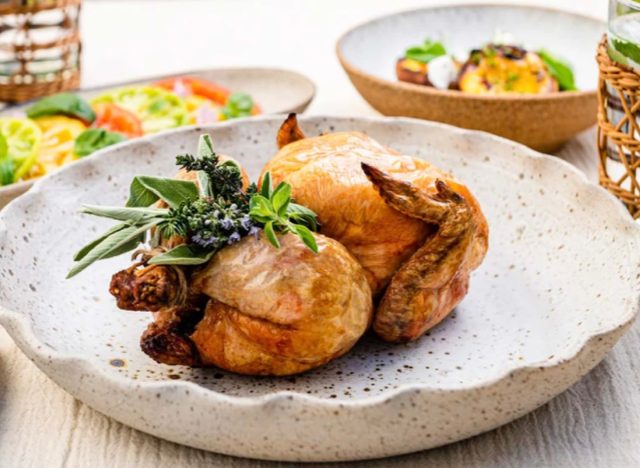
Among the brands frequently cited by culinary professionals for their commitment to these elevated standards is Pasture Bird. This company embodies a philosophy that extends beyond mere humane treatment to embrace regenerative agriculture principles. Their chickens are genuinely pasture-raised, spending their lives outdoors on rotating pastures, which not only benefits the birds through natural foraging and sunlight exposure but also contributes to soil health and environmental sustainability. Chef Andres Kaifer, a respected figure in the Charlotte, NC dining scene, particularly values Pasture Bird for its steadfast dedication to quality and transparency. Sourced frequently from retailers like Sprouts, Kaifer highlights the brand’s non-GMO feed, pasture-raised status, and the crucial detail that their poultry is sold fresh, never frozen. This commitment translates into a product renowned for its exceptional texture and deeply satisfying flavor, offering a tangible difference compared to conventionally raised alternatives. The robust musculature developed through active outdoor living yields meat that is firm yet tender, capable of standing as the centerpiece of a gourmet meal.
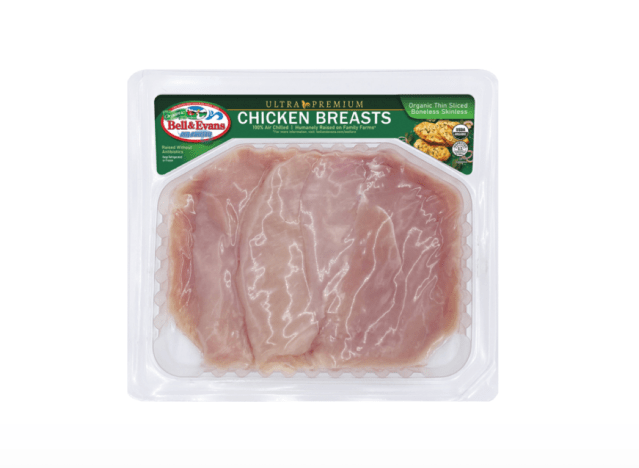
Another brand that consistently earns accolades from the professional cooking community is Bell & Evans. This Pennsylvania-based company has cultivated a reputation for its uncompromising standards in animal welfare and processing innovations. Their pioneering adoption of air-chilling technology is a cornerstone of their success, a method that chefs like Melanie Portman, a seasoned recipe developer at Droolrecipes.com, frequently commend. Portman notes that this air-chilling process is instrumental in preserving the chicken’s inherent juiciness, preventing the dilution of natural flavors that can occur with water-chilled poultry. She specifically praises the firm texture of Bell & Evans birds, which she finds perfectly suited for robust cooking methods, such as her grandmother’s traditional lemon and herb roasting technique. This structural integrity ensures the chicken maintains its form without becoming rubbery or producing excessive watery drippings, a common pitfall with lower-quality poultry. For dishes requiring extended simmering, such as a classic chicken cacciatore, the ability of Bell & Evans poultry to remain intact and flavorful for 45 minutes of cooking underscores its superior quality and consistency. Their dedication extends to sourcing practices, ensuring birds are raised humanely with ample space and a high-quality vegetarian diet, further contributing to the meat’s desirable characteristics.
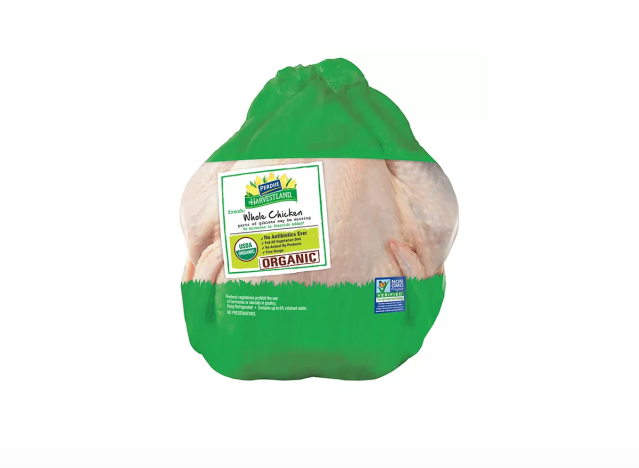
Moving into more widely accessible, yet still high-quality, territory, Perdue frequently surfaces in discussions among chefs seeking reliable options. Perdue has successfully positioned itself as a bridge between premium, specialized brands and mainstream grocery store offerings, achieving a commendable balance of quality, broad availability, and consumer trust. Lisa Lotts, a home cook and publisher of Garlic and Zest, underscores the brand’s efforts in humane animal treatment as a key factor in her endorsement. She points to their cage-free environments and vegetarian feed as practices that contribute to the chickens’ well-being. Lotts articulates a crucial culinary principle: animals subjected to stress before processing can release hormones that negatively impact meat tenderness. By prioritizing less stressful rearing conditions, Perdue aims to produce meat that is consistently more tender and palatable. While perhaps not reaching the niche premium levels of a truly pasture-raised product, Perdue’s commitment to improved welfare standards for a mass-market brand represents a significant step forward and offers a dependable choice for consumers seeking better quality without sacrificing accessibility.
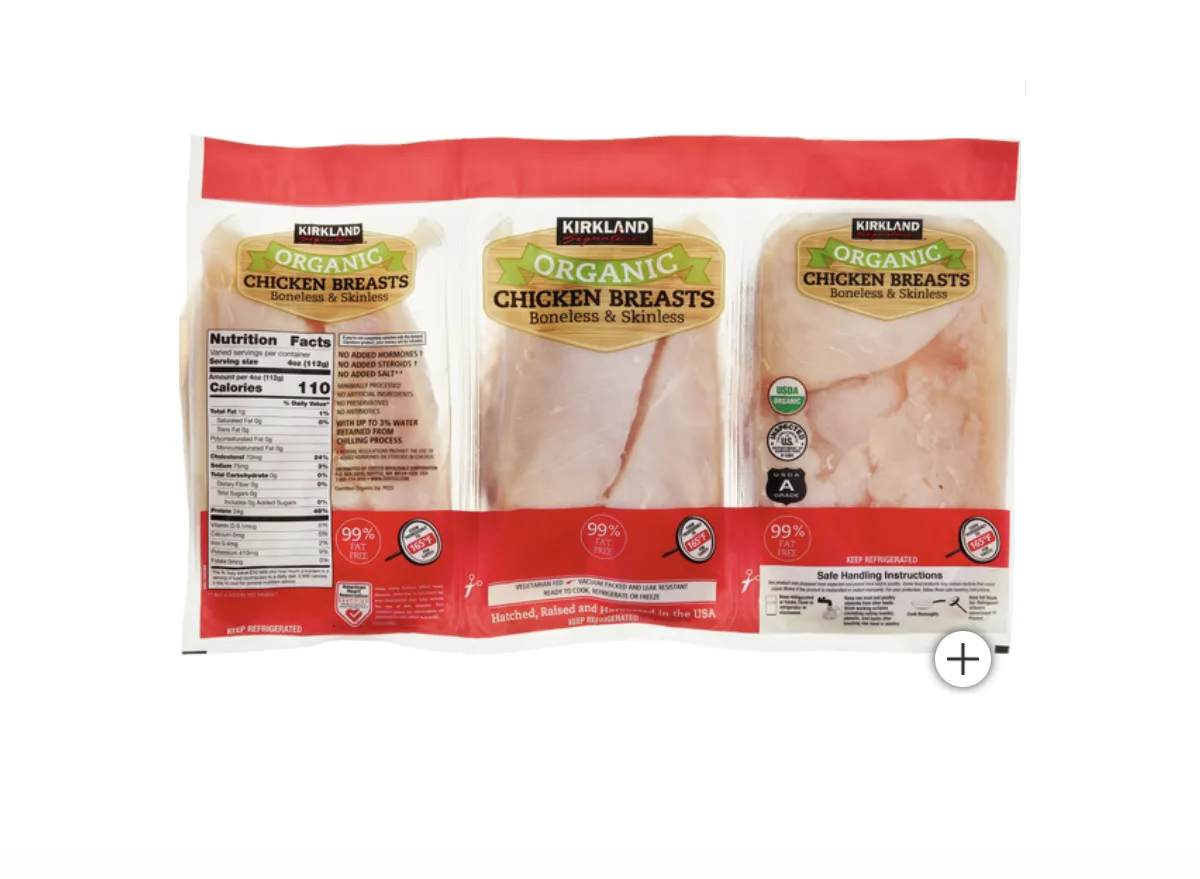
For consumers who appreciate the value and convenience of warehouse club memberships, Kirkland Signature Organic Chicken Breasts from Costco represent an exceptional choice. Costco’s private label is celebrated for delivering high-quality products across various categories, and its organic chicken breasts are no exception. Lisa Lotts also commends this specific Kirkland Signature offering, highlighting several key attributes that elevate it above many competitors. The chickens are raised without the use of added antibiotics, aligning with growing consumer preferences for cleaner protein sources. Crucially, they are not injected with brine solutions, a practice often employed to increase the weight and apparent plumpness of chicken, but which can diminish natural flavor and texture. Lotts notes that despite the absence of artificial plumping, these chicken breasts remain remarkably tender and juicy. She attributes this to the brand’s overarching care and ethical considerations in their farming practices, which consistently yield delicious chicken suitable for a wide array of cooking methods, from grilling and roasting to stewing. While potentially involving a higher initial cost due to bulk packaging and organic certification, the superior quality and flavor are widely considered to justify the investment.
Finally, regional grocery chains with strong brand identities often offer excellent private label poultry, demonstrating that quality is not exclusively the domain of national brands. In the Southeast, Publix holds a near-iconic status, cherished for its overall shopping experience, including its meat department. Emma Sullivan, a home chef and recipe developer at DailyCookingRecipe.com, frequently recommends Publix brand chicken, placing it alongside other reputable store brands like Wegmans and even Costco’s Kirkland Signature. Her endorsement hinges on the fundamental criteria of purity: she advises consumers to seek out poultry that is free from chemicals, pesticides, and antibiotics, and is certified non-GMO. Publix, like other well-regarded regional grocers, often meets these criteria, leveraging its strong supply chain and commitment to local communities to offer consistently high-quality fresh chicken. Beyond raw poultry, Sullivan also points to the convenience and quality of Publix’s (and Costco’s) already-cooked rotisserie chickens, which provide a reliable and delicious option for effortless meals. These store brands often embody a local trust factor, where consumers rely on the grocer’s reputation to vet their suppliers and maintain standards, proving that proximity and community connection can be as important as national brand recognition in the pursuit of superior ingredients.
In conclusion, the journey to selecting superior chicken at the grocery store involves a nuanced appreciation for factors beyond mere price per pound. Professional chefs, with their trained palates and extensive culinary experience, consistently guide consumers toward brands that prioritize animal welfare, natural diets, and advanced processing techniques like air-chilling. Whether opting for truly pasture-raised poultry like Pasture Bird, the air-chilled excellence of Bell & Evans, the balanced quality of Perdue, the organic value of Kirkland Signature, or the reliable standards of a trusted regional store brand like Publix, informed choices can significantly elevate the quality of home-cooked meals. Understanding the distinctions between these offerings empowers consumers to make selections that not only taste better but also align with ethical and health-conscious values, transforming a common weeknight staple into an ingredient worthy of culinary distinction.
About the Author