
The landscape of American casual dining, often characterized by its diverse offerings and widespread accessibility, has long embraced a pantheon of Italian-American classics. Among these, Chicken Marsala stands as a testament to the enduring appeal of a dish that marries simple ingredients with sophisticated flavor. This beloved entrée, featuring tender chicken enveloped in a rich, earthy mushroom and Marsala wine sauce, presents a unique culinary challenge: achieving consistent quality and authentic depth across multiple locations. While its concept appears straightforward, the nuances of preparation—from the precise cooking of the chicken to the meticulous crafting of the sauce—can distinguish a mediocre plate from an exceptional one. To navigate the vast array of options available to diners, discerning palates often turn to the expertise of seasoned professionals. In a recent evaluation, culinary expert and chef Dennis Littley, founder of Ask Chef Dennis, meticulously assessed various establishments, pinpointing specific national chains that consistently deliver exemplary interpretations of this cherished dish. His insights offer a valuable guide for those seeking a reliably delicious Chicken Marsala experience in a casual dining setting.
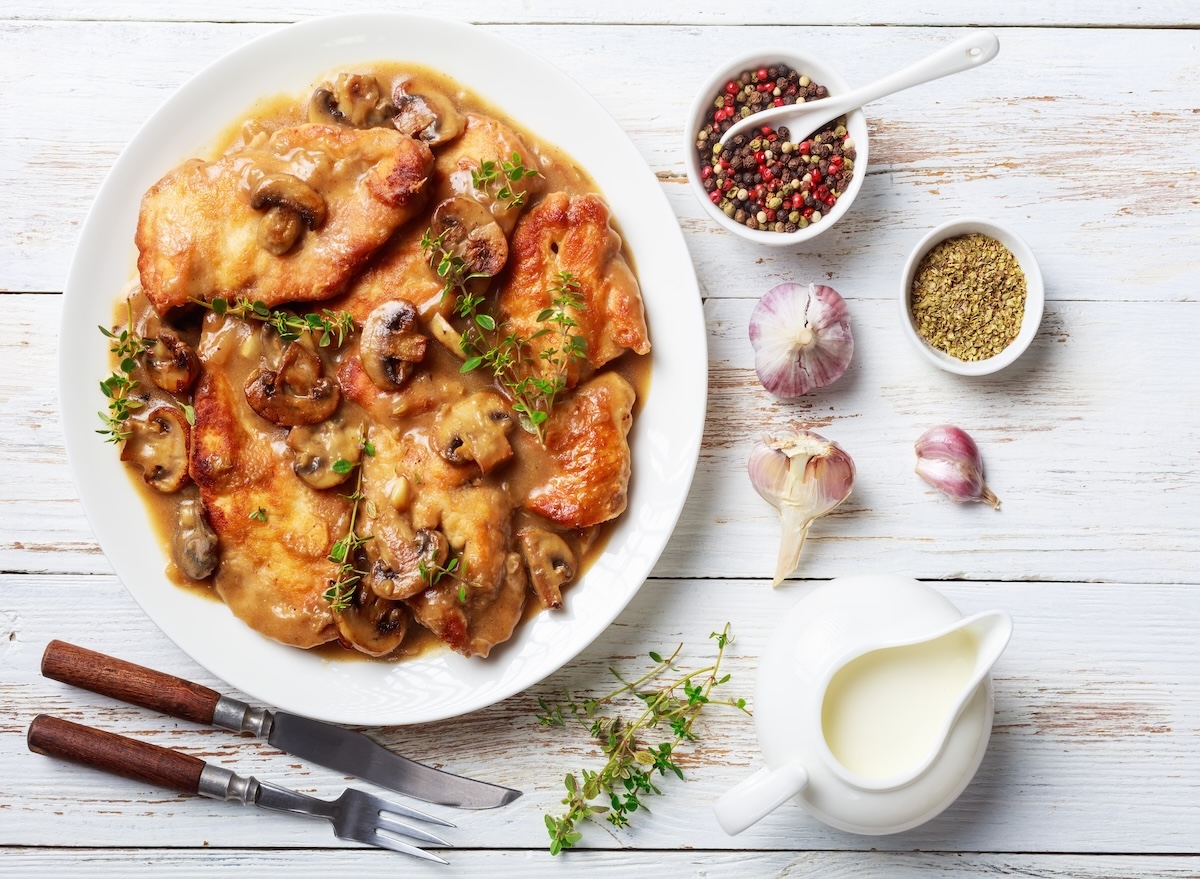
Chicken Marsala’s journey from its origins in Sicily to its prominent place on American menus is a fascinating narrative of culinary adaptation and cultural exchange. Historically, Marsala wine, a fortified wine produced in the city of Marsala on the western coast of Sicily, was primarily used as a table wine or an aperitif. Its application in cooking evolved, with drier varieties typically employed for savory dishes like veal or chicken, and sweeter versions reserved for desserts. The traditional Italian preparation of "Scaloppine al Marsala" often involves thinly pounded veal cutlets, quickly pan-fried and then finished with a simple sauce crafted from Marsala wine, butter, and sometimes broth, alongside sautéed mushrooms. This rendition is typically lighter and more focused on the wine’s distinct character.
When Italian immigrants brought their culinary traditions to the United States, dishes like Chicken Marsala underwent a transformation to suit local ingredients and palates. Americanized versions frequently feature thicker chicken breasts or cutlets, often lightly dredged in flour, and a more robust, sometimes cream-enriched, sauce. This adaptation allowed the dish to become a hearty, comforting meal, aligning with American preferences for substantial portions and richer flavors. Its widespread acceptance cemented its status as a staple in Italian-American restaurants, evolving from a regional Italian specialty into a broadly recognized comfort food. The challenge for chain restaurants lies in replicating this delicate balance of tradition and adaptation, ensuring that the essence of the dish is preserved while catering to a mass audience. This requires rigorous standardization of ingredients, cooking techniques, and recipe adherence across hundreds, if not thousands, of locations, a feat that demands significant operational precision.
According to Chef Littley, the hallmark of an outstanding Chicken Marsala lies in several critical elements, each contributing to the dish’s overall harmony and depth. The foundation begins with the chicken itself. He emphasizes the importance of utilizing chicken cutlets that are pounded to a uniform thinness, ensuring even cooking and tenderness. These cutlets should then be lightly coated, typically with seasoned flour, before being sautéed until they achieve a beautiful golden-brown exterior and are cooked through but remain succulent. The browning process is not merely for aesthetics; it builds foundational flavors through the Maillard reaction, caramelizing the proteins and sugars on the chicken’s surface.
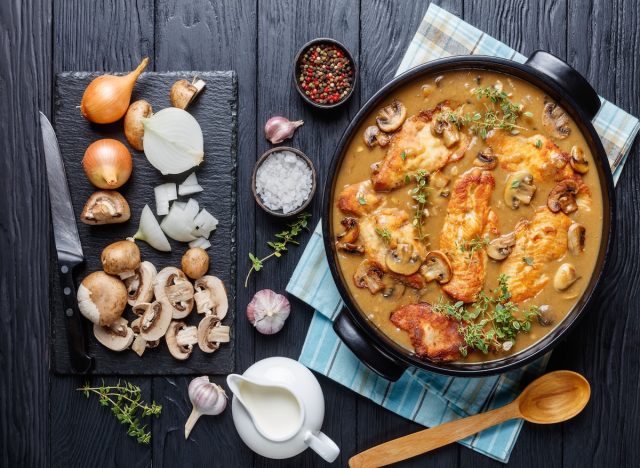
However, the true "magic," as Chef Littley describes it, unfolds in the creation of the sauce. This liquid component is where the dish truly differentiates itself. It must be crafted from a precise blend of ingredients: sautéed mushrooms, which lend an earthy umami dimension; the fortifying Marsala wine, which contributes its characteristic sweet and nutty notes; and crucially, the flavorful pan drippings left from searing the chicken. These drippings are essential for deglazing the pan, incorporating all the caramelized bits into the sauce, thereby intensifying its depth and complexity. The final sauce should possess a rich, velvety consistency, neither watery nor overly thick, capable of elegantly coating the chicken. Its flavor profile must strike a perfect equilibrium, showcasing the subtle sweetness of the Marsala, the savory depth of the mushrooms and pan drippings, and a hint of acidity to prevent it from becoming cloying. Achieving this intricate balance consistently is the ultimate test for any kitchen, particularly within a multi-location restaurant enterprise.
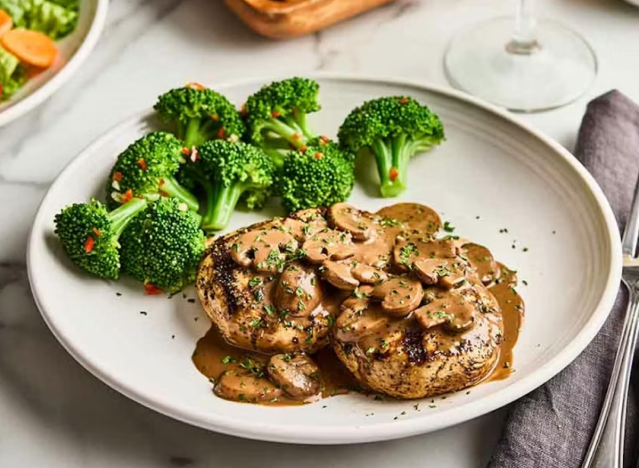
Against this backdrop of culinary criteria, Chef Littley identified four national chain restaurants that consistently meet and exceed these expectations, offering Chicken Marsala preparations that stand out in the casual dining arena. Each establishment brings its own unique approach while maintaining the core integrity of the dish.
Carrabba’s Italian Grill
Carrabba’s Italian Grill has carved out a niche in the American dining scene by presenting what it describes as authentic Italian-American cuisine in an approachable environment. Known for its wood-fired grilling and family-style portions, the restaurant aims to evoke the warmth and flavor of a traditional Italian kitchen. Their dedication to classic recipes extends to their Chicken Marsala, which Chef Littley highly commends. He notes that Carrabba’s delivers a quintessential rendition, characterized by impeccably sautéed chicken that is consistently tender. The accompanying Marsala wine sauce is generously laden with mushrooms, contributing to its robust and savory character. This particular preparation is praised for its profound depth of flavor, making it a truly comforting and satisfying interpretation of the Italian-American staple. The chain’s ability to maintain this level of quality across its numerous locations speaks to a strong commitment to culinary standards and consistent execution.
Maggiano’s Little Italy
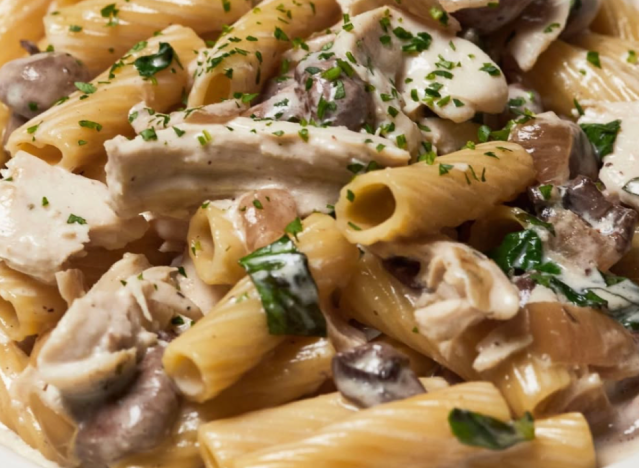
Maggiano’s Little Italy distinguishes itself with a concept centered around classic Italian-American dishes served in an opulent, yet welcoming, setting reminiscent of a grand family gathering. The restaurant is renowned for its generous portion sizes and a menu that emphasizes hearty, time-honored recipes. It is a favored destination for those seeking traditional flavors, and its Chicken Marsala receives high marks from Chef Littley. He points out that Maggiano’s skillfully crafts a well-proportioned version of the dish that adeptly highlights both the earthy essence of the mushrooms and the inherent sweetness imparted by the Marsala wine. The sauce, a critical component, is noted for its ability to adhere beautifully to the chicken, creating a rich and profoundly satisfying culinary experience. This consistent quality underscores Maggiano’s reputation for delivering robust, comforting Italian-American fare that resonates with its loyal clientele.
Olive Garden
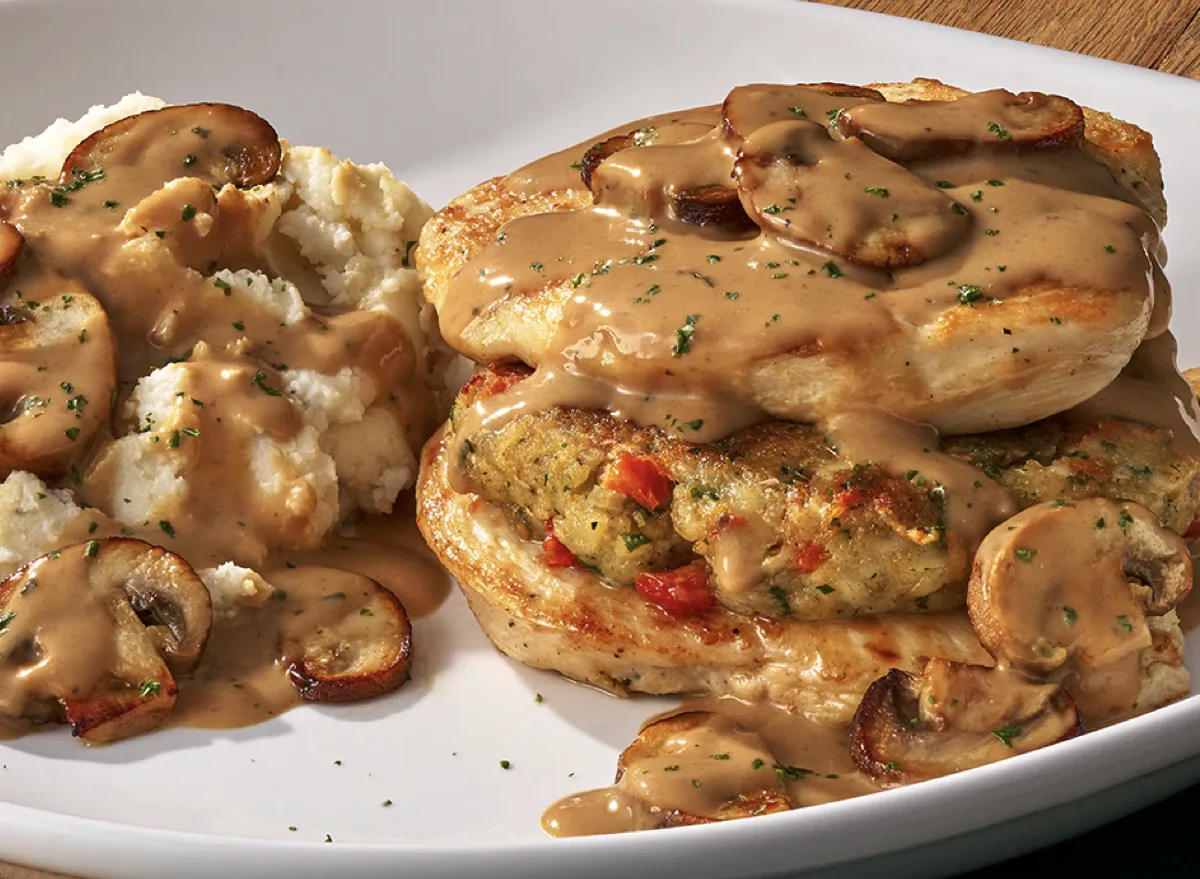
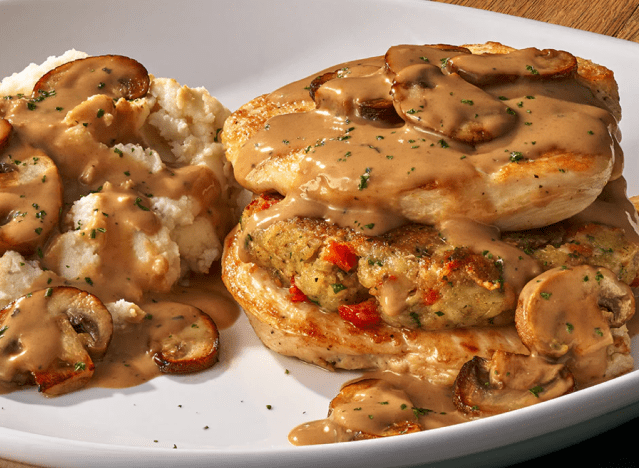
Olive Garden, perhaps one of the most widely recognized Italian-American casual dining chains, has built its brand on offering familiar Italian-inspired dishes in a family-friendly setting. While it caters to a broad audience, it also strives to offer creative variations on classics. Their approach to Chicken Marsala exemplifies this strategy, featuring a distinctive interpretation that Chef Littley finds particularly noteworthy. Instead of a standard chicken cutlet, Olive Garden presents a grilled chicken breast that is artfully stuffed with a blend of Italian cheeses and sun-dried tomatoes. This innovation adds an extra layer of complexity and texture to the dish. Chef Littley praises this "Stuffed Chicken Marsala" for its approachable and comforting nature, highlighting the tender sautéed chicken breasts combined with a savory wine sauce and mushrooms. He describes it as a familiar yet enhanced take on the classic, effectively delivering the flavors patrons anticipate from this traditional offering, while introducing an appealing twist that elevates the experience.
Romano’s Macaroni Grill
Romano’s Macaroni Grill aims to transport diners to a rustic Italian trattoria, emphasizing fresh ingredients and a lively, interactive dining experience. The chain is known for its blackboard specials and a menu that leans into a more "old-world" Italian sensibility. Their Chicken Marsala preparation reflects this commitment to traditional, yet hearty, Italian flavors. While many establishments opt to pair Chicken Marsala with mashed potatoes or a medley of vegetables, Romano’s Macaroni Grill presents a unique and flavorful pairing: capellini pasta. This choice allows the delicate pasta strands to absorb and carry the rich Marsala sauce, integrating it more fully into the overall dish. Chef Littley notes that Macaroni Grill’s rendition embraces a rustic Italian character, with a Marsala sauce that prominently features the earthy notes of mushrooms and a pronounced wine-forward flavor. He concludes that the dish feels substantial and well-composed, with a sauce that exquisitely complements the tender chicken, making the capellini an inspired accompaniment.
The selection of these four national chain restaurants by a distinguished culinary expert underscores the significant strides made in casual dining to deliver high-quality, authentic flavors. For a dish as nuanced as Chicken Marsala, achieving consistency and excellence across numerous locations is a formidable task, requiring precise ingredient sourcing, skilled preparation, and unwavering adherence to established culinary standards. These establishments demonstrate that a satisfying and expertly crafted Chicken Marsala is indeed within reach for diners across the country, proving that culinary integrity can thrive even within the expansive framework of a restaurant chain. Their success not only delights patrons but also sets a benchmark for what can be achieved in the realm of widespread, accessible Italian-American cuisine.
About the Author










