Maintaining optimal posture becomes an increasingly critical aspect of health and well-being as individuals advance past the age of fifty. The cumulative effects of modern lifestyles often manifest as a characteristic forward-leaning stance, rounded shoulders, and a general loss of spinal alignment. While various interventions exist, a growing body of evidence, supported by decades of fitness industry experience, suggests that targeted bodyweight exercises offer a profoundly effective and sustainable pathway to correcting these widespread postural imbalances. This approach emphasizes the dynamic role of muscular strength and flexibility in sculpting and maintaining the body’s structural integrity, often yielding more enduring results than passive corrective measures alone.
The pervasive nature of contemporary living plays a significant role in the development of suboptimal posture. For many, a substantial portion of each day is spent in sedentary positions, predominantly sitting at desks, driving, or relaxing on sofas. This prolonged immobility, maintained for upwards of six to eight hours daily over several decades, fundamentally reshapes the musculoskeletal system. The consistent flexion at the hips causes the anterior hip flexor muscles to shorten and tighten, restricting the full extension of the hip joint. Simultaneously, the pectoral muscles across the chest undergo similar shortening due to the constant forward positioning of the arms and shoulders in activities like typing or reading. This muscular constriction in the front of the body pulls the shoulders inwards and contributes to the characteristic rounded upper back, medically known as kyphosis.
Further exacerbating this issue is the ubiquitous presence of handheld electronic devices. The hours spent gazing down at smartphones and tablets impose a sustained strain on the cervical spine, promoting a forward head carriage. This posture, often termed "tech neck," places immense stress on the neck and upper back musculature. In response to these habitual positions, the muscles in the back, particularly those between the shoulder blades and along the posterior chain, become chronically stretched and weakened, losing their capacity to effectively retract the shoulders and stabilize the upper spine. The body’s muscular architecture, designed for movement and adaptability, remodels itself in response to these repeated, static positions, reinforcing patterns that deviate from ideal alignment.
Beyond the environmental factors, physiological changes associated with aging also contribute significantly to postural decline. Sarcopenia, the age-related loss of muscle mass and strength, affects all muscle groups, including the deep intrinsic muscles responsible for spinal stability and upright posture. Without consistent stimulus through physical activity, these crucial postural muscles weaken, diminishing their ability to counteract gravity’s pull. Consequently, the body tends to yield to the path of least resistance, adopting a stooped or slumped posture. This weakening often combines with an anterior pelvic tilt, where the pelvis rotates forward, causing the lower back to arch excessively (lordosis) and the abdomen to protrude, further disrupting the body’s natural alignment and potentially leading to discomfort and pain.
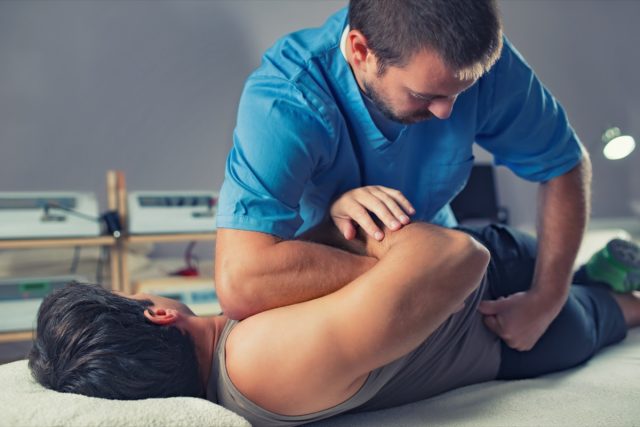
Understanding these underlying mechanisms underscores the rationale for a muscle-centric approach to postural correction. While chiropractic adjustments can provide immediate relief by realigning vertebral segments and mobilizing joints, their impact on the long-term maintenance of posture is often temporary when not coupled with active muscular engagement. The skeletal system is largely supported and positioned by the muscular system; therefore, without adequate strength and balance in the surrounding musculature, joints tend to revert to their accustomed positions. A therapeutic adjustment, while beneficial for joint mobility, does not inherently build the muscle strength required to sustain the improved alignment.
In contrast, bodyweight exercises specifically target and re-educate the muscles directly responsible for posture. This involves a dual strategy: lengthening muscles that have become pathologically shortened and strengthening those that have weakened from disuse. By consistently engaging these muscle groups, individuals empower their bodies to actively hold themselves in an upright, aligned position. Furthermore, the practical aspect of bodyweight training—its accessibility and the ability to perform it frequently at home—offers a significant advantage over intermittent clinical visits. A routine performed several times a week integrates active retraining into daily life, building cumulative effects that far outweigh the benefits of less frequent, passive interventions. It is important to note that this perspective does not diminish the value of chiropractic care, which can be invaluable for acute pain management or specific joint dysfunctions. Rather, it highlights the distinct role of muscular conditioning in achieving lasting postural transformation for chronic, generalized misalignment.
A targeted regimen of five fundamental bodyweight exercises can serve as a potent blueprint for reclaiming optimal posture. These movements are designed to address the most common muscular imbalances associated with age-related postural decline:

-
Wall Angels: This exercise specifically addresses tightness in the chest and anterior shoulder muscles while simultaneously activating and strengthening the often-underutilized muscles of the upper back and rotator cuff. By pressing the entire back and arms against a wall, individuals promote scapular retraction and thoracic extension, directly combating rounded shoulders and upper back kyphosis. The movement encourages the shoulders to sit back and down, fostering a more open and aligned chest. The recommended approach involves 8 to 10 slow, controlled repetitions, focusing on the quality of movement.
-
Doorway Chest Opener: Primarily a stretching exercise, the doorway chest opener targets the pectoralis major and minor muscles, which often become tight and shortened from prolonged forward arm positions. By gently stretching these muscles, it facilitates the natural retraction of the shoulders, allowing them to rest in a more neutral position. This, in turn, contributes to a less rounded upper back and an overall improved upper body line. This stretch should be held for 30 seconds and repeated once, with daily practice being highly beneficial.
-
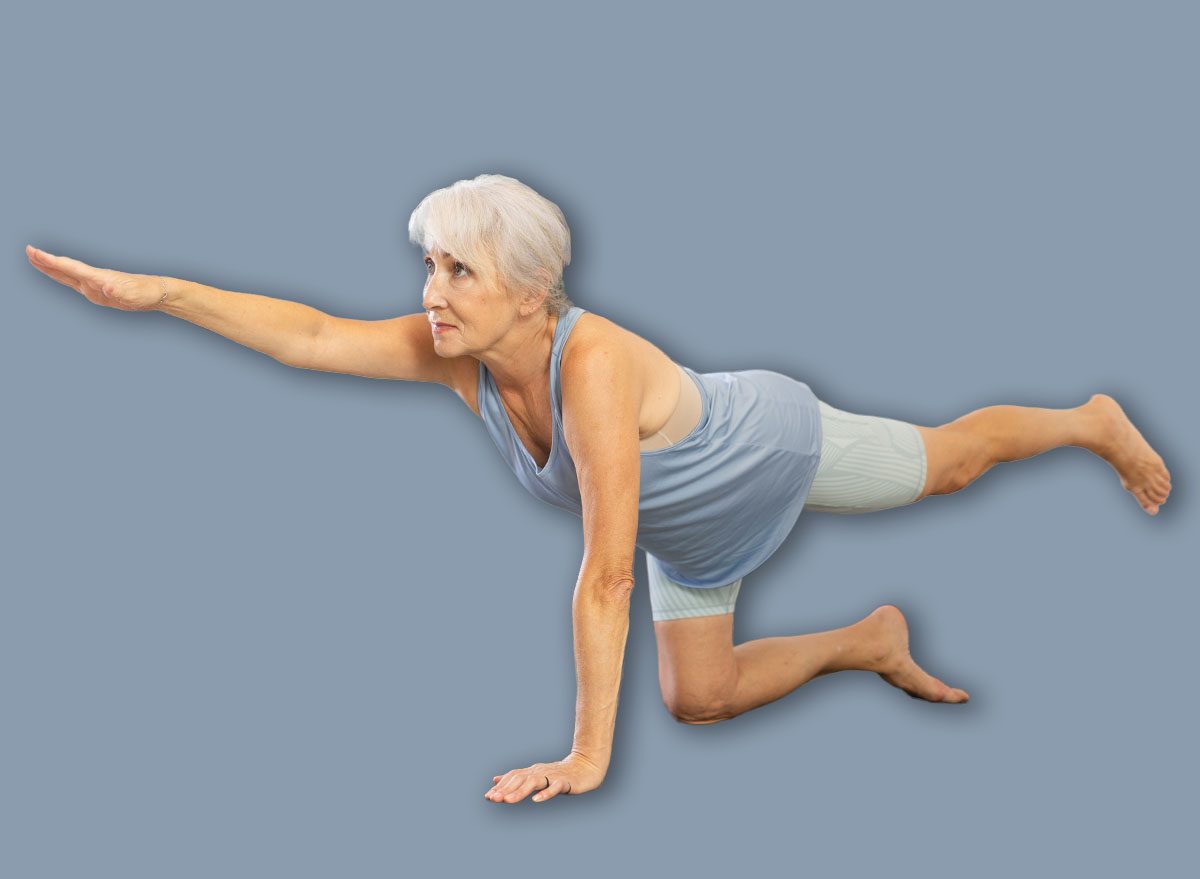
Bird Dog: The Bird Dog is a foundational exercise for core stability and the activation of deep spinal erector muscles. It trains the body’s ability to maintain a neutral spine while the limbs move independently, mirroring the stabilizing demands of everyday activities like walking or reaching. This exercise specifically strengthens the multifidus and erector spinae muscles, which are critical for segmental spinal control and have often become dormant due to extensive sitting. Executing 8 repetitions per side with a 3-second hold at the peak of the extension helps to build endurance and coordination in these essential postural stabilizers.
-
Glute Bridge: Weak gluteal muscles are a common contributor to anterior pelvic tilt and an exaggerated lumbar curve. The Glute Bridge effectively activates and strengthens the glutes, which are crucial for pulling the pelvis into a neutral position and supporting the lower back. By engaging the posterior chain, this exercise helps to counterbalance the tightness of the hip flexors and reduce the appearance of a protruding abdomen, fostering a more stable and aligned lower body. Performing 12 to 15 repetitions focuses on building strength and endurance in the gluteal muscles.
-
Prone Y-T-W: This series of movements comprehensively targets the entire upper back and posterior shoulder musculature, including the rhomboids, middle and lower trapezius, and posterior deltoids. These muscles are instrumental in pulling the shoulder blades back and down, counteracting the effects of internally rotated shoulders and a forward head. Regular practice of the Prone Y-T-W helps to restore strength and activation in these often-neglected muscles, leading to a noticeable improvement in overall upper body posture. The suggested routine is 8 repetitions for each of the Y, T, and W positions, with a 2-second hold at the top of each movement.
For optimal results, this dedicated bodyweight routine should be incorporated into your schedule three to four days per week. A complete session, performing two rounds of each exercise with brief rests between sets, typically takes approximately 15 to 18 minutes, making it easily manageable within morning or evening routines. On the alternate days, integrating a 20 to 30-minute brisk walk is not merely supplementary but essential. Walking provides the functional context for the newly strengthened muscles, teaching them to engage and maintain the improved posture during dynamic movement, thereby solidifying the neurological pathways for upright alignment. After the initial month, consider progressing the routine by adding a third round of each exercise or by increasing the time under tension—for instance, a slower 3-second descent during the Glute Bridge or a longer 5-second hold at the apex of the Bird Dog. The Doorway Chest Opener is unique in that it can be performed daily, as consistent stretching of the pectoral muscles will yield the fastest and most visible improvements in shoulder positioning without risk of overtraining.
The journey towards improved posture is a gradual but highly rewarding one. Within the first two weeks of consistent practice, many individuals report an increased awareness of their body’s positioning and a subconscious inclination to stand taller. This initial cognitive shift is a positive indicator that the brain is beginning to recognize and adapt to the new muscular demands. By the four-week mark, observable changes often become apparent in reflections and photographs. The head begins to align more naturally over the shoulders, which themselves appear less rounded and more retracted. The anterior pelvic tilt may also start to diminish, resulting in a less pronounced abdomen. These visible improvements frequently elicit positive comments from family and friends, reinforcing the commitment to the routine.
As consistency extends to six to eight weeks, the most significant transformation often occurs: the new, improved posture begins to hold effortlessly, without requiring conscious thought. At this stage, the newly strengthened and re-educated muscles have effectively taken over the role previously performed by mental reminders, making upright posture the body’s default setting. The subsequent months will bring continued, compounding improvements. While decades of ingrained postural habits will not entirely reverse in a short period, the consistent application of these principles establishes an unmistakable trajectory of positive change, with each month building upon the progress of the last.

Beyond the aesthetic benefits, cultivating proper posture through a dedicated bodyweight regimen offers a myriad of health advantages. It can significantly reduce chronic back and neck pain, improve respiratory function by allowing for fuller lung expansion, enhance balance and stability, and even boost self-confidence. By actively investing in their postural health, individuals over 50 can not only look and feel better but also improve their overall functional independence and quality of life for years to come.
About the Author