
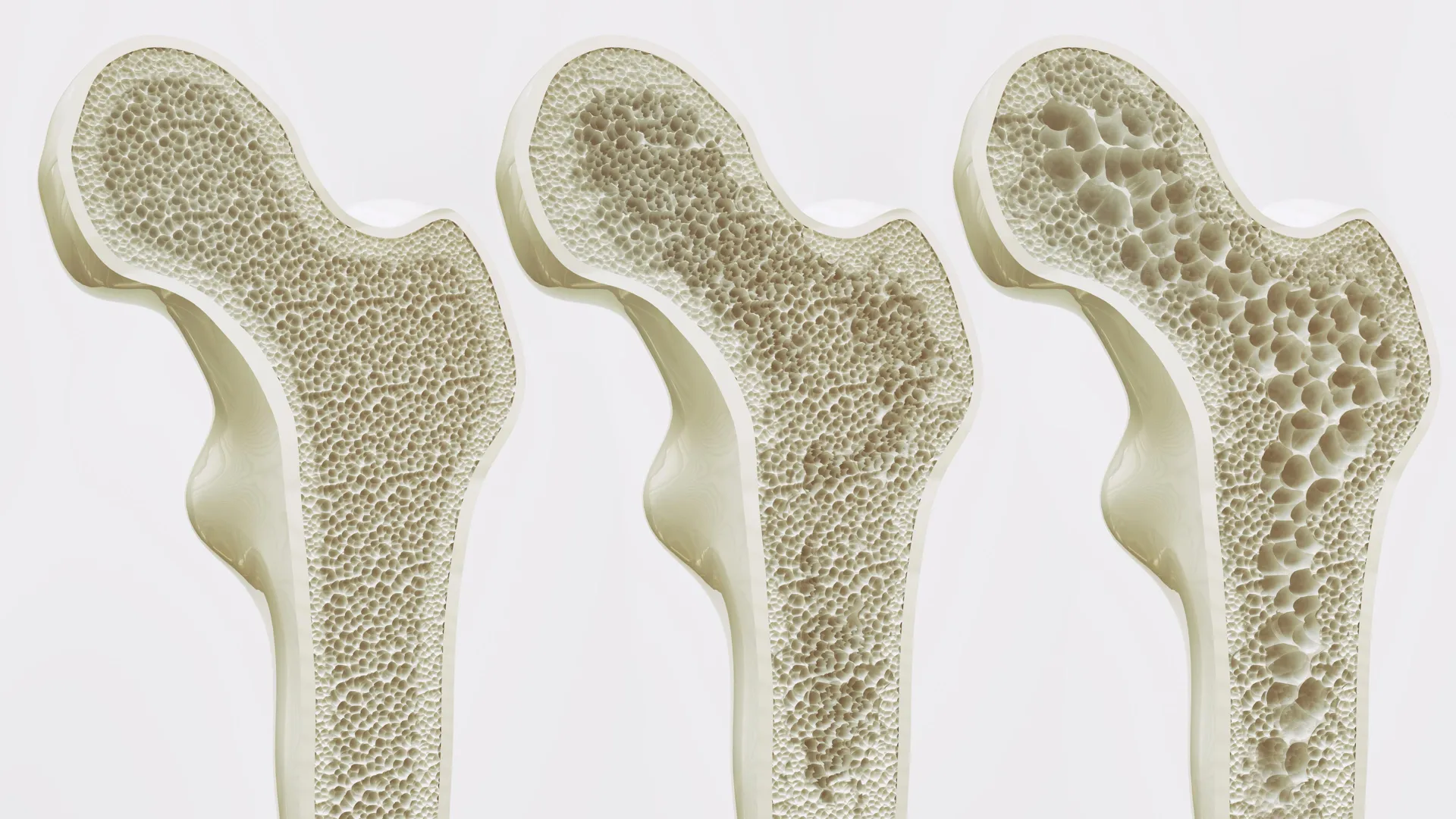
For decades, the daily regimen of many older adults across the globe has often included calcium and vitamin D supplements, conscientiously ingested with the belief they fortify bones and ward off debilitating fractures. This widespread practice is deeply embedded in both medical advice and public perception, stemming from a long-standing understanding of these nutrients’ critical involvement in skeletal health. However, a groundbreaking and comprehensive review recently published in the esteemed medical journal The BMJ now casts significant doubt on the efficacy of this common preventative strategy for the vast majority of the senior population. The meticulously conducted meta-analysis suggests that, for most older individuals, these widely adopted supplements offer only marginal, if any, clinically meaningful protection against the dual perils of falls and broken bones. This revelation prompts a critical re-evaluation of established guidelines and a fresh look at more effective interventions for maintaining mobility and independence in later life.
The pervasive issue of falls represents a significant public health challenge, particularly among the elderly. As individuals age, their risk of experiencing a fall escalates dramatically, with nearly one in three adults aged 65 and older reporting at least one fall annually. The consequences of these incidents can be devastating, extending far beyond immediate physical injury. Fractures, especially hip fractures, are a common and severe outcome, frequently leading to chronic pain, prolonged rehabilitation, and a profound loss of independence. Beyond the physical toll, falls often precipitate a decline in quality of life, fostering a fear of falling that can lead to reduced physical activity, social isolation, and a downward spiral in overall well-being. In many unfortunate cases, a severe fall can necessitate a move into residential care, marking a significant life transition that impacts not only the individual but also their families and the broader healthcare system, which bears a substantial economic burden from fall-related injuries. Given these profound implications, identifying truly effective strategies to prevent falls and fractures remains an urgent imperative for global public health initiatives.
The scientific community has long recognized the fundamental importance of calcium and vitamin D in the maintenance of a robust skeletal system. Calcium, an essential mineral, serves as the primary structural component of bone tissue, lending it strength and rigidity. Vitamin D, often referred to as the "sunshine vitamin," plays an equally crucial role by facilitating the absorption of dietary calcium in the gut and regulating its metabolism within the body. Without adequate vitamin D, even sufficient calcium intake may not translate into optimal bone mineralization. This foundational understanding naturally led to the widespread recommendation of these supplements, particularly for older adults whose natural ability to absorb calcium might diminish and whose skin may produce less vitamin D. Many clinical guidelines, public health campaigns, and individual clinicians have routinely advised supplementation, leading to a substantial increase in prescriptions and over-the-counter purchases over recent years, solidifying their status as a cornerstone of age-related bone health management.
Despite the intuitive appeal and long-standing recommendations, scientific inquiry into the precise benefits of calcium and vitamin D supplementation has yielded somewhat inconsistent results over time. Previous evidence reviews, while acknowledging the critical roles of these nutrients, often struggled to demonstrate a clear and independent reduction in fracture risk when either calcium or vitamin D was taken in isolation. The picture became even less clear when the two were administered concurrently, with some studies showing a modest benefit while others found none. Furthermore, the specific question of whether vitamin D supplementation could meaningfully reduce the incidence of falls, a distinct but related outcome, remained largely unresolved. These lingering uncertainties highlighted a critical need for a more definitive and comprehensive synthesis of the available research, prompting the rigorous investigation that has now brought new clarity to the discussion.
To address these persisting ambiguities and provide a clearer, evidence-based perspective, a team of researchers in Canada undertook an exhaustive examination of the existing scientific literature. Their work culminated in a meta-analysis published in The BMJ, which stands as one of the most robust syntheses to date on this topic. The investigative team meticulously analyzed the aggregated data from sixty-nine distinct randomized controlled trials (RCTs), involving an immense cohort of 153,902 adult participants. Randomized controlled trials are universally considered the gold standard in clinical research due to their ability to minimize bias; participants are randomly assigned to either a treatment group or a control group (receiving a placebo or no treatment), thereby allowing researchers to isolate the effects of the intervention being studied. This rigorous methodology ensures that the findings are as reliable and unbiased as possible. The trials under review specifically compared the effects of calcium supplements, vitamin D supplements, or a combination of both against either a placebo or no intervention, with a primary focus on assessing their impact on the rates of fractures and falls. While acknowledging that the quality of individual studies within such a large dataset can vary, the research team employed established methods to assess the risk of bias and the certainty of evidence for each trial, lending significant weight to their overall conclusions.
Upon completing their extensive analysis, the researchers established clear thresholds for what would constitute a "clinically meaningful benefit"—that is, an effect substantial enough to genuinely impact patient health and warrant widespread recommendation. The striking conclusion was that, for the vast majority of older adults, the supplements demonstrated little to no effect on the likelihood of experiencing any type of fracture. This finding was supported by moderate certainty evidence from eleven trials specifically examining calcium supplements, encompassing 9,067 participants. The evidence for vitamin D supplements was even more robust, with high certainty evidence drawn from thirty-six trials involving 92,045 participants, also indicating a negligible impact on fracture prevention. Crucially, when calcium and vitamin D were administered together, high certainty evidence from fifteen trials with 51,126 participants similarly revealed little to no meaningful effect on fracture risk. This consistent pattern of negligible benefit extended across various specific outcomes, including highly debilitating hip fractures and the incidence of falls, with most of these findings supported by moderate to high certainty evidence. In essence, the meta-analysis found that the observed effects of supplementation fell below the predefined threshold for clinical significance, challenging the long-held belief in their broad preventative power.
It is imperative to acknowledge that the researchers carefully articulated certain nuances and exceptions to their overarching findings. They cautioned that some specific components of their extensive analysis were based on a comparatively smaller number of trials or participants, suggesting that these particular sub-analyses should be interpreted with a degree of prudence. More importantly, the conclusions drawn from this comprehensive review may not be universally applicable to every individual. Specifically, the study’s findings are generally not intended for people diagnosed with certain pre-existing bone disorders, such as severe osteoporosis, or those undergoing specific pharmacological treatments for bone density loss. These patient populations often have distinct physiological needs and may still derive benefits from targeted calcium and vitamin D supplementation under medical supervision. Nevertheless, the robustness of the overall conclusions was significantly bolstered by the fact that the results remained broadly consistent even when researchers meticulously accounted for a range of influential factors, including participants’ age, sex, a history of previous fractures or falls, and their average dietary intake of calcium. This remarkable consistency across diverse demographic and clinical profiles strengthens confidence in the general applicability of the study’s main assertions.
Based on the compelling and high-certainty evidence derived from their extensive meta-analysis, the research team delivered a unequivocal message: the current scientific data "does not support routine supplementation with calcium or vitamin D, or combined supplementation to prevent fractures and falls" in the general older adult population. This statement represents a direct challenge to prevailing clinical wisdom and established public health guidelines. Consequently, the researchers have issued a strong call to action, urging clinicians, developers of national and international clinical guidelines, and regulatory agencies worldwide to undertake a thorough re-evaluation of their existing general recommendations regarding calcium and vitamin D supplementation. This re-assessment, they argue, must be informed by the most current and robust scientific evidence available. Echoing this sentiment, researchers who authored a linked editorial accompanying the main publication further emphasized that while the broad utility of these supplements is questionable for most, more rigorous and adequately powered trials may still be warranted to definitively determine if supplementation could offer a tangible benefit to individuals identified as being at an exceptionally high risk of falls and fractures due to very specific and severe deficiencies or conditions.
In light of these transformative findings, the editorial authors propose a strategic reorientation of resources and attention towards preventative approaches that have already demonstrated clear and meaningful benefits in mitigating the risk of falls and related injuries among older adults. Rather than relying on potentially ineffective supplements, emphasis should shift towards evidence-based interventions focusing on physical function and environmental safety. Key among these proven strategies are targeted exercise programs, which play a multifaceted role in promoting skeletal health and preventing falls. Balance training, for instance, significantly enhances proprioception and stability, reducing the likelihood of losing equilibrium. Resistance exercise, another cornerstone, not only builds and maintains muscle strength but also provides mechanical loading to bones, a critical stimulus for maintaining bone density and integrity. Beyond individual exercise modalities, comprehensive, multi-component programs have shown particular promise. These integrated approaches often combine tailored exercise regimens with proactive assessments of home and community environments to identify and mitigate fall hazards, alongside personalized education designed to empower individuals with knowledge about their specific risks and preventative measures. These holistic strategies address the complex interplay of factors contributing to falls and fractures, offering a far more robust and scientifically supported pathway to promoting the health and well-being of an aging population.
Ultimately, the findings from this landmark review serve as a powerful reminder that simple solutions often fall short in addressing complex health challenges. The pervasive issue of falls and fractures in older adults demands a sophisticated, multi-faceted approach that extends beyond the perceived panacea of daily supplements. By re-evaluating long-held assumptions and channeling resources into interventions with proven efficacy, healthcare systems and individuals can work collaboratively to genuinely enhance physical function, preserve independence, and significantly improve the quality of life for seniors worldwide.
About the Author









