Major Depressive Disorder (MDD), a pervasive and often debilitating mental illness, affects millions globally, presenting a complex tapestry of symptoms ranging from persistent sadness and anhedonia to cognitive impairments and suicidal ideation. For decades, the prevailing scientific understanding of depression largely centered on imbalances in neurotransmitters, particularly serotonin. While this "chemical imbalance" theory has guided pharmacological interventions, its limitations have become increasingly apparent, prompting a deeper exploration into the fundamental biological underpinnings of mood disorders. A groundbreaking investigation led by researchers at Columbia University Vagelos College of Physicians and Surgeons now offers compelling evidence that the brain’s capacity to generate new neurons, a process known as neurogenesis, may be significantly compromised in adults living with MDD, potentially offering a novel pathway for understanding and treating this challenging condition.
This seminal study marks the first time that a direct link has been established between stalled adult neurogenesis and the brains of individuals diagnosed with major depressive disorder. The findings challenge and expand upon previous hypotheses, suggesting that the intricate mechanisms governing neuronal adaptation and resilience within the brain are profoundly disrupted. Dr. Maura Dupont, a professor of psychiatry who spearheaded this pivotal research, articulated a shift in perspective: "Historically, depression was often conceptualized as a deficiency in specific neurotransmitters, like serotonin. However, our evolving understanding suggests that depression arises from a confluence of factors impacting our neurons’ inherent ability to adjust to stressors and fluctuating environmental conditions." She further elaborated on the crucial implication of this discovery, stating, "Without the intrinsic capacity to form new neurons, individuals grappling with depression might lack the necessary neural plasticity to effectively navigate and respond to their environment."
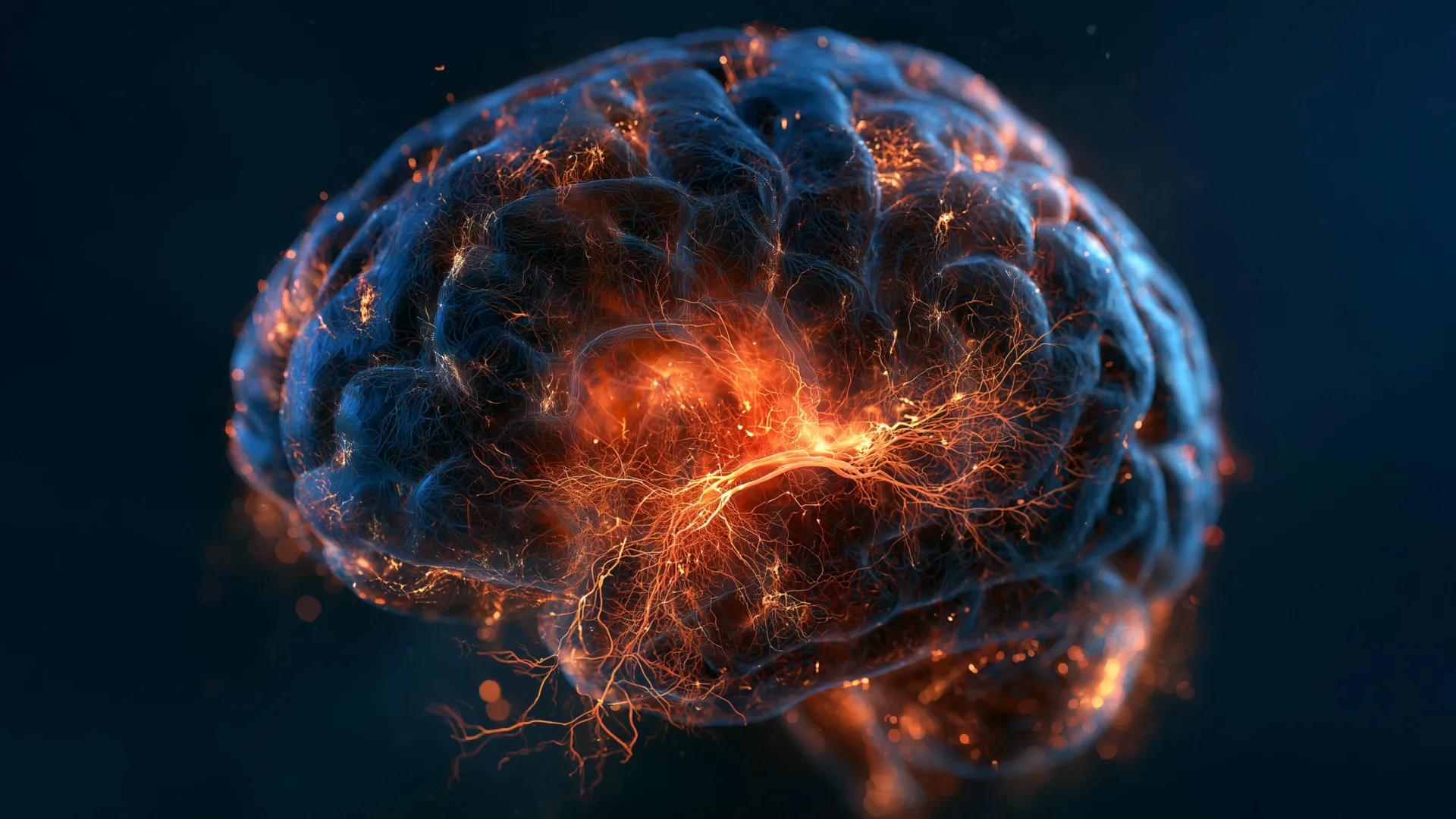
The scientific spotlight of this inquiry shone brightly on the hippocampus, a critical brain region nestled deep within the temporal lobe. Renowned for its indispensable role in the formation of episodic memories—our recollections of specific events, times, and places—and in mediating emotional responses to the external world, the hippocampus is also one of the rare areas in the adult mammalian brain that continues to produce new neurons throughout life. While the vast majority of the human brain’s approximately one hundred billion neural cells are established during prenatal development, this persistent, albeit small-scale, neurogenesis in the adult hippocampus is believed to contribute significantly to brain health and cognitive flexibility. Although depression is a multifaceted disorder involving a broader network of brain regions, the hippocampus’s unique influence over both memory encoding and emotional processing has consistently positioned it as a focal point for researchers striving to unravel the neurobiological roots of mood disturbances. Scientists hypothesize that alterations within this specific brain structure may contribute to the characteristic tendency observed in individuals with depression to interpret experiences through a predominantly negative lens.
A particularly intriguing aspect of hippocampal function explored by the research team is its involvement in "pattern separation." This sophisticated cognitive ability allows the brain to distinguish between similar yet distinct memories, preventing them from blending into a single, undifferentiated recollection. Moreover, pattern separation plays a vital role in decoupling the emotional connotations of past experiences from current events. Dr. Dupont illustrated this concept with a relatable scenario: "Imagine having lunch with a friend who seems unusually quiet because she’s simply tired. With robust pattern separation, you would accurately perceive this as a unique, isolated incident. However, if pattern separation is impaired, this singular event might merge with previous memories of feeling rejected, leading to the erroneous conclusion, ‘They must be upset with me.’" She added a clinical observation, noting, "I frequently witness this phenomenon in my patients, where their memory retrieval disproportionately favors negative information."
Prior investigations utilizing animal models, particularly mice, have unequivocally demonstrated that intact adult neurogenesis is a prerequisite for effective pattern separation. Complementary evidence from a recent study involving human patients who underwent radiation therapy targeting the hippocampus for brain tumors—a procedure known to eliminate neurogenesis in the treated area—suggests that this critical relationship between new neuron formation and pattern separation is conserved in humans. Dr. Dupont clarified the current understanding: "It is crucial to emphasize that the precise mechanisms remain to be fully elucidated, particularly in humans. Nevertheless, the nascent neurons appear to augment pattern separation by virtue of their heightened responsiveness to novel experiences, facilitating their integration into new memory circuits. This allows for the distinct storage of new memories, separate from older ones." This insight carries profound therapeutic implications, as Dr. Dupont mused, "Reactivating neurogenesis could potentially serve as a strategy to alleviate depression in certain individuals by functionally ‘rewiring’ their hippocampal circuitry."
The scope of the molecular disruptions uncovered by the Columbia team extended far beyond merely a halt in neurogenesis. The formation of new neurons operates within a larger, highly integrated hippocampal circuit responsible for consolidating episodic memories along with their associated emotional valence. The study revealed pervasive molecular disturbances throughout this entire sophisticated system. Affected genetic pathways included those fundamental to establishing new synaptic connections between neurons, supporting efficient communication among brain cells, ensuring an adequate supply of cellular energy, and facilitating the vital transport of materials within cells. Furthermore, the trisynaptic circuit—the hippocampus’s primary conduit for the establishment of new emotional memories—exhibited compelling evidence of inflammation and cellular stress in the brains of individuals diagnosed with depression. These broad-ranging impairments suggest a systemic breakdown in the cellular machinery essential for optimal neuronal function and resilience.
To achieve such granular insight into these intricate cellular changes, the researchers employed an array of cutting-edge methodologies. Their analysis involved meticulously examining nearly half a million individual brain cells meticulously harvested from post-mortem donors—both individuals with a history of depression and control subjects—shortly after their passing. Leveraging recently developed single-cell sequencing techniques, the team was able to precisely quantify the activity of every single gene within each individual cell. Simultaneously, they scrutinize whether cellular proteins had undergone any alterations. This monumental dataset provided an unprecedented level of detail, allowing the researchers to discern the specific activities of individual cells and accurately pinpoint the exact locations of affected cells within the complex architecture of the hippocampal circuit.
The deep molecular analysis also illuminated altered activity in several genes whose genetic variants have previously been statistically associated with an increased risk of developing major depression. Beyond these direct genetic links, the study identified other disrupted genes that displayed epigenetic modifications. Epigenetic mechanisms represent a fascinating layer of genetic regulation, acting as "dimmer switches" that can modulate how strongly genes are turned on or off without altering the underlying DNA sequence itself. These dynamic modifications are profoundly influenced by environmental factors and life experiences. As Dr. Dupont explained, "These epigenetic changes are akin to dimmer switches that regulate gene activity, and they are responsive to a multitude of life experiences, including psychological stress, learning processes, the natural aging process, and exposure to various chemical agents." This interplay between genetic predisposition and environmental influences, mediated by epigenetics, underscores the complex and multifactorial etiology of depression.
The sheer diversity of molecular changes identified in the study may also offer a compelling explanation for the heterogeneous presentation of depression, which can manifest in profoundly different ways from one individual to another. "Collectively, the extensive spectrum of effects we unearthed could signify distinct pathogenetic mechanisms, potentially indicating that depression is not a singular disease entity," Dr. Dupont posited. This perspective represents a significant departure from traditional, monolithic views of the disorder. According to Dr. Dupont, the scientific community still possesses a rudimentary understanding of depression’s intricate underlying biology. By meticulously defining the disorder with greater precision at both the cellular and molecular levels, studies of this caliber hold the promise of identifying novel targets for therapeutic intervention, paving the way for more effective and personalized treatments.
Looking ahead, Dr. Dupont and her collaborators envision a future where depression, much like certain forms of cancer today, could be classified not merely by its symptoms but by its specific molecular characteristics. "Our aspiration is to reclassify depression based on its unique molecular signatures, mirroring the transformative approach adopted in oncology," Dr. Dupont articulated. She drew a direct parallel to the revolution in cancer treatment: "The classification of cancers based on their cellular and molecular characteristics, rather than solely on their anatomical location, has catalyzed the development of innovative and significantly improved treatments. We harbor the hope that a similar paradigm shift will materialize for depression and other intricate psychiatric or neurological disorders."
This pivotal research, titled "Dysregulated adult hippocampal neurogenesis in major depressive disorders," was formally published on August 21, 2026, in the esteemed scientific journal Nature Medicine. The extensive list of contributing authors includes Madeleine S. Peng, Jialin Jiang, Lucia Polizzi, Tiancheng Shi, Rakshitha Ramkumar, Victor O. Anosike, Giulia Guasoni, Alexandra M. Wamalwa, Madeline B. Mariani, Cheick A. Sissoko, Alexandria N. Tartt, Camille Fulmore, Gorazd B. Rosoklija, Yung-yu Huang, Victoria Arango, Shujuan T. McDonald, Natasha Bitoljanu (from Ss. Cyril and Methodius University, Macedonia), Joseph J. Mann, Phi T. Nguyen, Andrew J. Dwork, Lewis M. Brown, René Hen, Hanga Galfalvy, and Maura B. Dupont. The core research activities were conducted within the Maura Dupont lab situated at Columbia University Irving Medical Center and the New York State Psychiatric Institute. Specialized sequencing operations were performed at the JP Sulzberger Columbia Genome Center, while data clustering analysis was carried out at Columbia’s Center for Computational Biology and Bioinformatics, and proteomics investigations were conducted at the Columbia University Department of Biology’s Quantitative Proteomics and Metabolomics Center. This collaborative effort underscores the interdisciplinary nature of modern neuroscience and the collective commitment to deciphering the profound mysteries of the human brain.
About the Author