The contemporary food landscape is witnessing a pronounced shift, with consumers increasingly gravitating towards products that offer transparency and simplicity in their ingredient lists. This movement, often dubbed the "clean label" trend, reflects a growing desire among shoppers to understand precisely what they are consuming, favoring items made with fewer, recognizable components over those laden with complex additives and artificial compounds. Within the vast and competitive snack aisle, potato chips, a ubiquitous comfort food, are no exception to this evolving consumer preference. A notable segment of the market has emerged, highlighting brands that craft their crispy offerings using a remarkably concise formula: potatoes, oil, and salt. This seemingly straightforward approach, while appealing to a health-conscious audience, also invites a closer examination of the subtle yet significant distinctions that differentiate these minimalist options.
At its core, a potato chip is an exercise in culinary reduction, a humble combination designed to deliver satisfying crunch and savory flavor. The fundamental recipe, often mirrored in homemade versions, indeed calls for just these three elements. Tara Collingwood, an accomplished Board Certified Sports Dietitian and co-author of the Flat Belly Cookbook for Dummies, affirms this observation, noting that "Potato chips made with just three ingredients (potatoes, oil, and salt) are about as simple as a packaged snack gets." However, this apparent uniformity belies critical differences, particularly concerning the choice of frying medium. The type and quality of oil utilized emerge as the primary differentiator from a nutritional perspective, influencing not only the flavor profile and texture but also the fatty acid composition of the final product.
Collingwood further elucidates, "Some chips use oils that are higher in unsaturated fats, like avocado or sunflower oil, while others may use blends that include more refined vegetable oils." This distinction is paramount for consumers mindful of their dietary fat intake. Oils rich in monounsaturated or polyunsaturated fats, such as avocado, sunflower, or safflower oil, are generally perceived as healthier alternatives compared to those high in saturated or trans fats. Avocado oil, for instance, is celebrated for its high smoke point and a favorable fatty acid profile dominated by monounsaturated fats, similar to olive oil. Sunflower and safflower oils are often lauded for their polyunsaturated fat content. Conversely, generic "vegetable oil" blends can sometimes encompass a wider variety of oils, some of which may be more heavily processed or contain varying proportions of different fat types.
It is crucial, however, to contextualize the notion of "minimalist ingredients" within the broader framework of nutritional science. A concise ingredient list does not automatically equate to an unequivocally "healthy" food. As Collingwood wisely cautions, "Even when chips have only three ingredients, they’re still a fried snack. Portion size and frequency matter more than the ingredient count alone." The inherent nature of deep-frying means that even the simplest chips will contain a significant amount of fat and calories per serving. Furthermore, sodium content, another critical dietary consideration, can fluctuate considerably between brands, even when the foundational ingredients appear identical. Individuals monitoring their sodium intake are therefore advised to meticulously compare nutritional labels, regardless of the perceived simplicity of the product.
The market has responded to this consumer demand for straightforward formulations, yielding several brands that adhere to the three-ingredient philosophy. These selections, often lauded by dietitians and everyday shoppers alike, represent a curated choice for those seeking a more unadulterated potato chip experience.
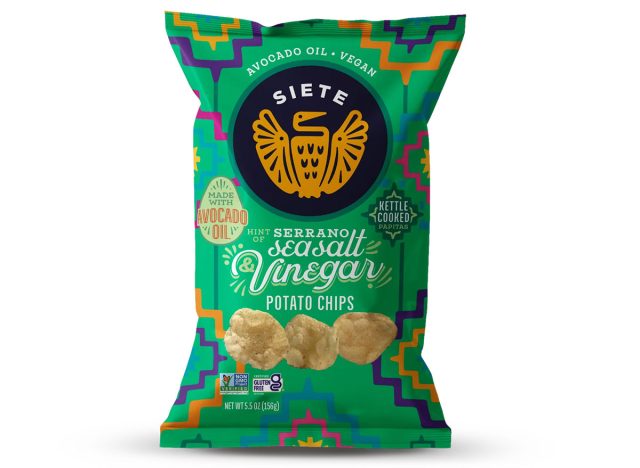
Siete Kettle Cooked Potato Chips stand out as a prime example of a brand leveraging a premium oil for a perceived health advantage. Recognized by Kaytee Hadley, an MS, RDN, IFMCP, and CPT specializing in gut health, as a commendable option, these chips are crafted from potatoes, avocado oil, and sea salt. The use of avocado oil positions them as a "gut-healthy" interpretation of the classic snack, appealing to a segment of the population increasingly focused on digestive wellness. The kettle-cooked method further contributes to their distinctive, robust crunch, a characteristic often sought after by chip enthusiasts. This brand’s commitment to a simple, high-quality fat source underscores the evolving criteria by which consumers evaluate their snack choices.
Similarly, Boulder Canyon Avocado Oil Sea Salt chips exemplify the growing popularity of avocado oil in the snack sector. These kettle-cooked chips feature just potatoes, avocado oil, and sea salt, aligning perfectly with the minimalist trend. The choice of avocado oil provides a neutral flavor that allows the natural potato taste to shine while offering a fat profile generally favored by health-conscious consumers. Customer feedback frequently highlights their crisp texture and delicious flavor, with many praising the brand for its clean ingredient statement. One Redditor articulated this sentiment by noting that the ingredients are "literally just potatoes, salt, and avocado oil. So not processed at all and taste just like regular potato chips," reflecting a common desire for unadulterated taste and minimal processing. The consistent positive reception suggests a strong market for chips that marry simple ingredients with a premium oil.
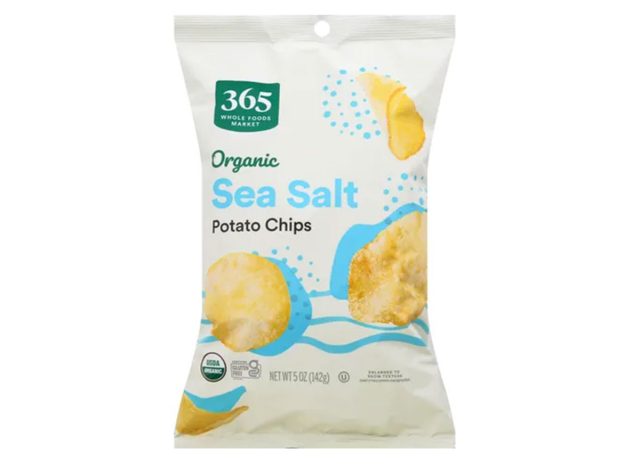
For those seeking an organic option within the three-ingredient framework, 365 Whole Foods Market Organic Sea Salt chips present a compelling choice. These chips are prepared with organic potatoes, a blend of organic vegetable oils (specifically organic sunflower, organic safflower, and/or organic canola), and sea salt. The inclusion of organic certification appeals to consumers prioritizing agricultural practices and ingredient purity. Shoppers consistently describe these chips as having a delightful balance of flavor and texture, often noting their mild salinity and satisfying crispness. With 150 calories and 170 mg of sodium per serving, they offer a standard nutritional profile for a potato chip, while their organic status adds an extra layer of appeal for a specific demographic.
Kettle Brand Sea Salt chips hold a nostalgic place for many, maintaining their commitment to a simple ingredient list over decades. These chips are renowned for their signature hearty crunch, achieved through the kettle-cooking process, which involves frying potatoes in small batches at lower temperatures. Their composition remains true to the fundamental trio: potatoes, oil, and sea salt. The specific oil used is typically sunflower or safflower oil, providing a clean taste that complements the robust potato flavor. A loyal consumer base appreciates the consistent quality and the distinctive texture that sets them apart from traditionally fried, thinner chips. As one shopper aptly put it, they offer a "perfect classic crunchy Kettle chip," highlighting the brand’s enduring appeal for its tactile and taste experience.
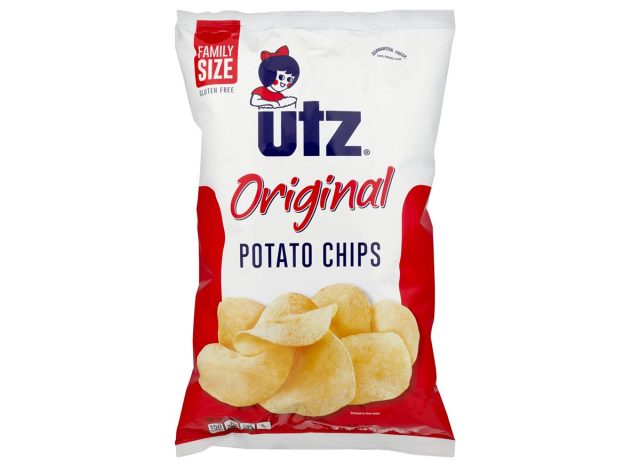
Representing a more traditional approach, Utz Original Potato Chips have long been a staple in many households. This brand prides itself on delivering a classic potato chip experience, emphasizing fresh, high-quality potatoes. Their ingredient list is commendably concise, featuring potatoes, vegetable oil (typically a blend of cottonseed, sunflower, and/or corn oil), and salt. The result is a chip that many consumers praise for its authentic potato flavor and consistent freshness. With 160 calories and 95 mg of sodium per serving, Utz Original offers a relatively lower sodium option compared to some competitors, which can be a significant factor for some. Shoppers frequently comment on their preference for Utz, citing a lack of excessive greasiness and an overall superior taste profile that "blows the other chips on the market away."
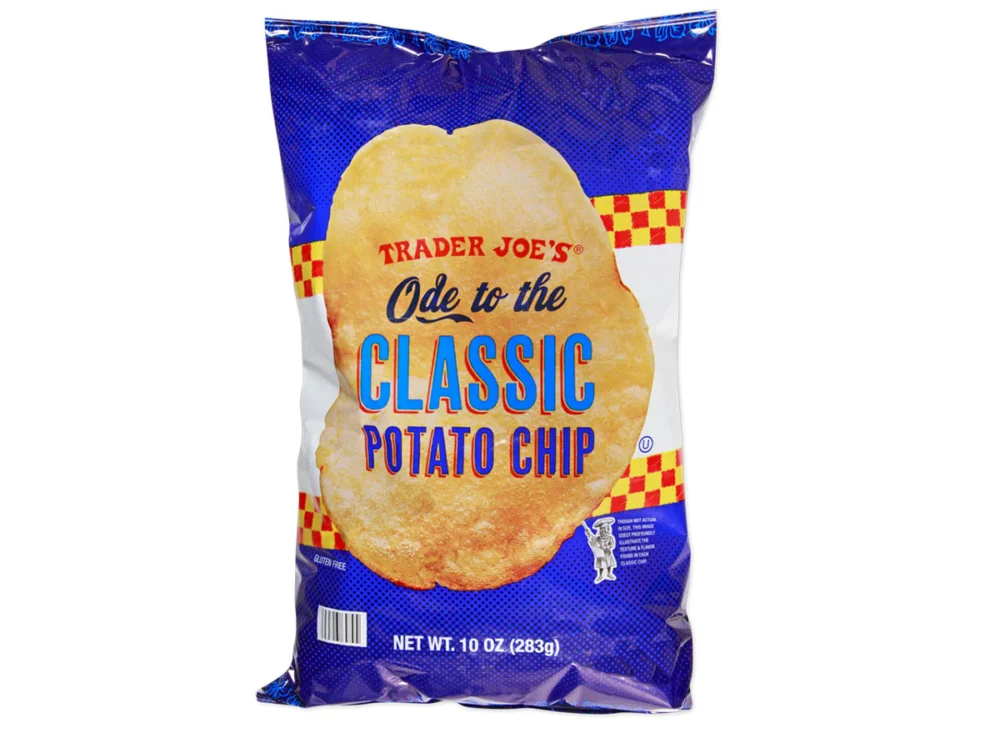
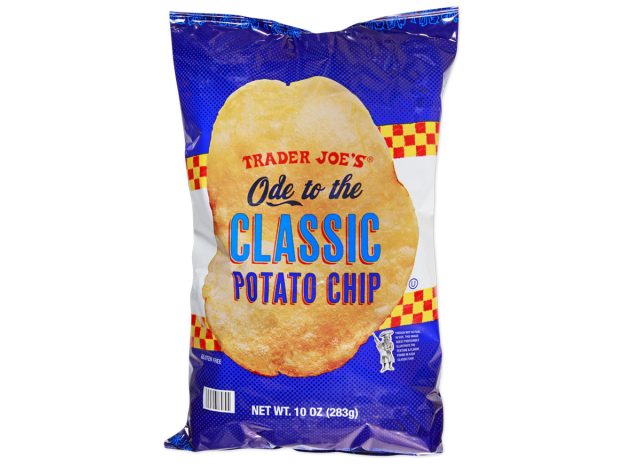
Trader Joe’s Classic Chips, aptly named "Ode to the Classic Potato Chip," tap into a sense of nostalgia, aiming to replicate the beloved taste of chips from earlier generations. The brand meticulously prepares these chips to evoke a familiar, comforting flavor profile. Their formula is straightforward: potatoes, oil, and salt. Trader Joe’s describes them as "lightly fried, seasoned with salt, and full of that great potato taste. Just like you remember them." This marketing resonates with consumers who appreciate an authentic, no-frills chip. Patrons frequently express their admiration for these chips, often noting their less greasy texture compared to other popular brands, affirming their success in delivering a classic, unadulterated snacking experience.
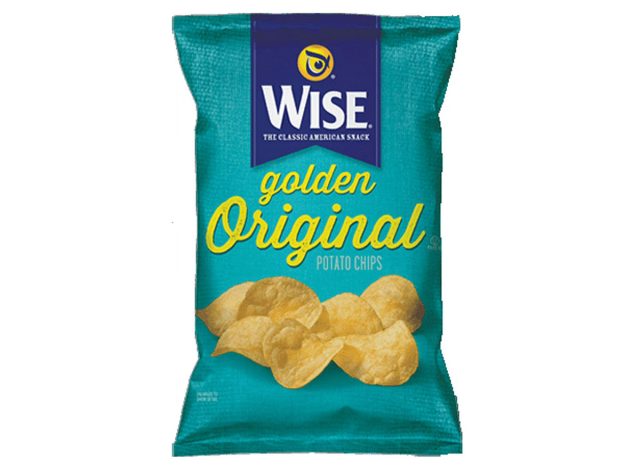
Rounding out the selection of minimalist chip offerings are Wise Golden Original Chips. This brand also adheres to the simple three-ingredient paradigm, garnering a strong following among those who appreciate a straightforward, traditional potato chip. Consumers consistently describe them as "tasty" and a "classic chip," often recalling "days gone by" with their balanced saltiness and familiar flavor. The enduring popularity of Wise Golden Original Chips speaks to a consistent quality that has cultivated a loyal customer base. Their appeal lies in their reliable taste and texture, demonstrating that sometimes, the simplest recipes are indeed the most satisfying and enduring.
In conclusion, the trend towards potato chips made with just three core ingredients – potatoes, oil, and salt – underscores a significant shift in consumer preferences towards greater transparency and simplicity in food products. While this minimalist approach is highly appealing, it is crucial for consumers to look beyond the mere ingredient count. The specific type of oil employed plays a pivotal role in the nutritional profile, with options like avocado, sunflower, and safflower oils offering different fatty acid compositions. Furthermore, factors such as sodium levels and appropriate portion control remain essential considerations for a balanced diet, regardless of how "clean" a product’s label may appear. The diverse range of brands successfully operating within this simple framework demonstrates that quality, flavor, and consumer trust can be built on the foundation of a few, well-chosen components, proving that in the world of snacks, sometimes less truly is more, provided the right choices are made.
About the Author