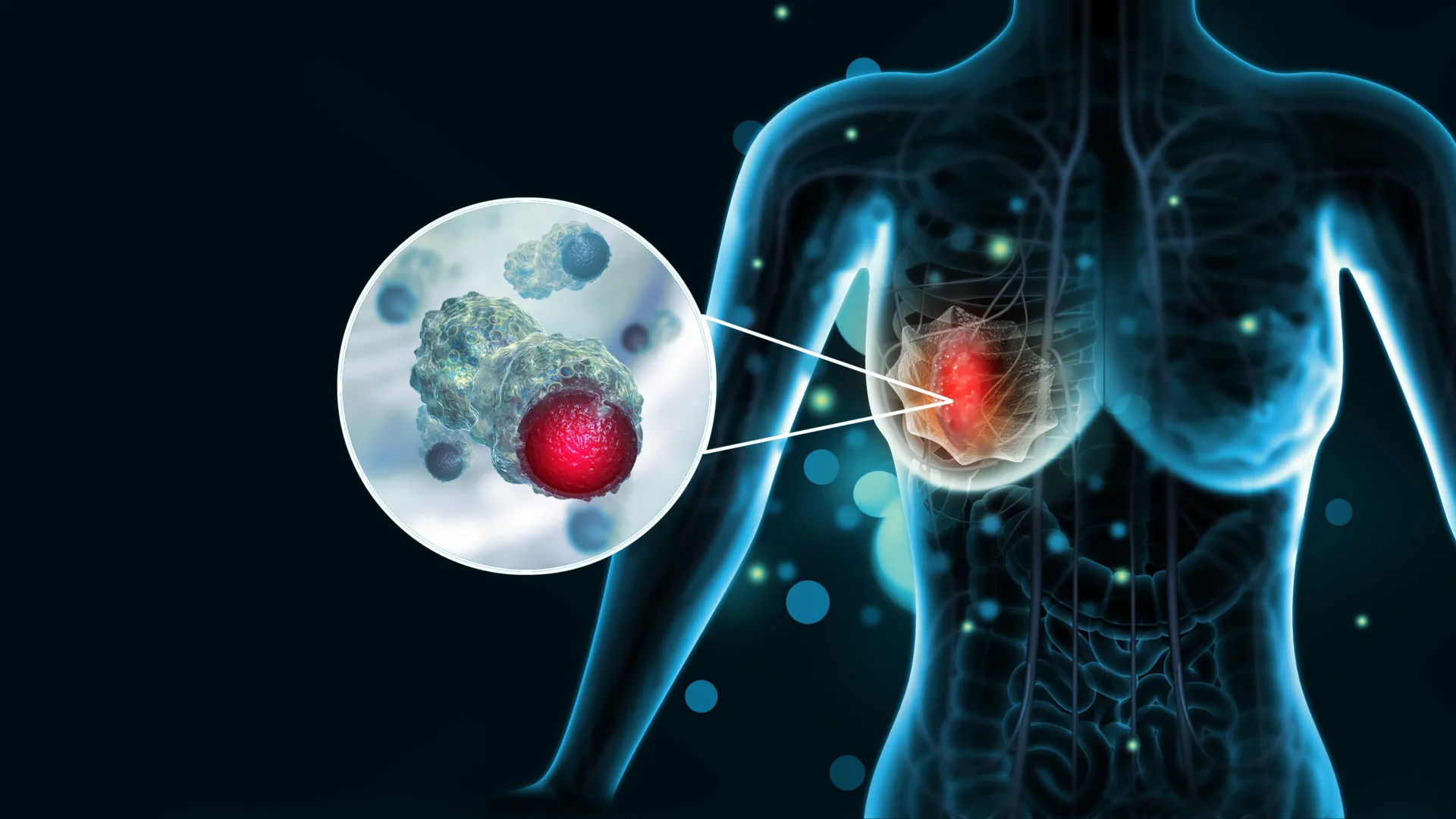
Breast cancer remains a formidable global health challenge, standing as the most frequently diagnosed malignancy among women worldwide. In 2022 alone, the World Health Organization reported approximately 2.3 million new diagnoses, with a tragic toll of around 670,000 lives lost to the disease. While significant strides in therapeutic approaches have undoubtedly enhanced patient prognoses over recent decades, a critical frontier persists in managing particularly aggressive forms of breast cancer. These rapidly evolving variants present a profound dilemma for clinicians, primarily due to the inherent difficulty in accurately forecasting their trajectory and devising optimally effective, individualized treatment strategies. The urgent need for more sophisticated diagnostic and prognostic tools is thus paramount, aimed at unraveling the complex biological underpinnings of these virulent cancers.
At the forefront of addressing this pressing clinical gap is an innovative collaborative research endeavor, aptly named BRIDGE – an acronym for "Biomarker Research Integrating Data of Glyco-Immune Signatures and Clinical Evidence in Breast Cancer." This initiative represents a concerted effort to fundamentally transform the detection and treatment landscape for aggressive breast cancer by meticulously identifying distinctive biological indicators, or biomarkers, that illuminate the disease’s unique behavior within each patient. These measurable biological signals, discernible in blood, tissue, or other bodily samples, offer invaluable insights into cancer progression over time and serve as crucial guides for clinical decision-making, potentially indicating a tumor’s propensity for rapid growth or its likely responsiveness to specific therapeutic interventions.
The biological mechanisms by which aggressive breast cancers evade destruction are intricate and multifaceted, often involving a sophisticated manipulation of the body’s own immune defenses. Normally, the immune system acts as a vigilant guardian, equipped to recognize and eliminate abnormal cells, including nascent cancer cells, through a process known as immune surveillance. However, tumors are remarkably adept at developing strategies to bypass this protective scrutiny. One of the most insidious tactics employed by aggressive cancers is the creation of an immunosuppressive microenvironment, a localized ecosystem surrounding the tumor that actively disarms or redirects immune cells, effectively allowing the cancer to proliferate unchecked.
Central to the BRIDGE project’s investigation is an in-depth exploration of this intricate interplay between cancer cells and their immediate surroundings, commonly referred to as the tumor microenvironment (TME). This complex ecosystem is not solely comprised of malignant cells but also encompasses a dynamic array of resident immune cells, intricate networks of blood vessels, and various supportive cellular and extracellular matrix components. The research team holds a particular interest in the minuscule, yet profoundly influential, molecules adorning the surface of cells within this microenvironment. These molecules, often complex carbohydrates known as glycans or attached to proteins as glycoproteins, play a pivotal role in cellular communication and recognition. Emerging evidence suggests that alterations in these surface glycans on cancer cells can act as a deceptive shield, enabling tumors to evade detection and attack by the immune system, thereby facilitating uncontrolled growth and metastasis.
Understanding how these aggressive tumors disarm the immune system necessitates a detailed appreciation of immune evasion mechanisms. Cancer cells can, for instance, upregulate immune checkpoint proteins, such as PD-L1, which bind to receptors like PD-1 on T cells, effectively signaling these immune soldiers to stand down. They can also downregulate the expression of Major Histocompatibility Complex (MHC) molecules, which are essential for presenting tumor-specific antigens to T cells, rendering the cancer cells "invisible." Furthermore, tumors often secrete immunosuppressive cytokines like TGF-β and IL-10, or recruit immune cells with suppressive functions, such as regulatory T cells (Tregs) and myeloid-derived suppressor cells (MDSCs), which actively dampen anti-tumor immune responses. The BRIDGE project zeroes in on an often-overlooked yet critical aspect of this evasion: the "glyco-immune signatures," the unique patterns of glycans that dictate how immune cells interact with tumor cells and their microenvironment. These signatures are hypothesized to be key in shaping the immune response, either promoting immune activation or, as is often the case in aggressive cancers, facilitating immune escape.
The BRIDGE initiative is a testament to the power of interdisciplinary collaboration, bringing together leading experts from two distinguished Portuguese institutions: the Instituto de Tecnologia Química e Biológica António Xavier of NOVA University of Lisbon (ITQB NOVA) and the Portuguese Institute of Oncology of Lisbon Francisco Gentil (IPOFG). The scientific prowess of ITQB NOVA, particularly the Advanced Cell Models laboratory led by Catarina Brito, focuses on fundamental research, utilizing sophisticated in vitro models to dissect the molecular dialogue between cancer cells and immune components. "Our previous investigations have successfully elucidated specific mechanisms through which tumors establish communication with particular immune cell types to fortify their defenses," explains Dr. Brito. She emphasizes the project’s ambitious next phase, stating, "Through BRIDGE, our objective is to rigorously validate these laboratory-derived insights using actual patient samples and subsequently translate this knowledge into tangible clinical applications, ultimately benefiting patients directly."
The strategic partnership with IPOFG is indispensable for this translational ambition. As a prominent oncology institution, IPOFG provides critical access to a vast repository of patient samples and associated clinical data. This crucial resource allows researchers to confirm whether their laboratory findings, derived from controlled experimental settings, hold true in the complex, heterogeneous context of real-world clinical scenarios. This validation step is not merely a formality; it is the linchpin that transforms promising scientific discoveries into practical diagnostic tools and therapeutic strategies that can be effectively deployed by medical professionals. Dr. Brito further articulates the ultimate aspiration: "By identifying novel and robust biomarkers, we are confident that we can pave the way for the development of more precise and targeted therapies, moving beyond current generalized treatment paradigms."
The overarching goal of the BRIDGE project aligns seamlessly with the paradigm shift towards personalized medicine in oncology. Current cancer treatments often adopt a "one-size-fits-all" approach, which, while effective for some, can prove suboptimal or even toxic for others due to the inherent genetic and biological diversity of tumors. By gaining a profoundly deeper understanding of the precise molecular mechanisms that enable tumors to evade immune attack, researchers anticipate unlocking entirely new avenues for both the diagnosis and treatment of breast cancer. This includes the development of highly specific biomarkers that can not only track the disease’s progression with unprecedented accuracy but also pinpoint novel therapeutic targets. Such targets could lead to the development of innovative drugs or immunotherapies designed to specifically counteract the tumor’s immune-evasive tactics, thereby enhancing treatment efficacy and minimizing adverse effects. The vision is to tailor therapeutic interventions to the unique biological signature of each patient’s cancer, ensuring that every individual receives the most effective and least toxic regimen possible.
This groundbreaking research is fortified by vital financial backing from the iNOVA4Health Lighthouse Projects (LHP) 2025 program. This prestigious funding initiative is specifically designed to champion research endeavors that demonstrate a strong potential for transitioning seamlessly from fundamental laboratory discovery to practical clinical implementation. The "Lighthouse" designation itself underscores the program’s commitment to illuminating pathways that address significant health challenges through collaborative, impactful science. By actively fostering synergy among scientists, clinical practitioners, and technological innovators, iNOVA4Health aims to significantly accelerate the pace of progress in critical areas of medical research.
Over the forthcoming two-year period, the BRIDGE project is slated to receive up to €75,000 in funding. This investment is not merely a financial allocation; it represents a strategic commitment to accelerating the development of innovative strategies. These strategies are poised to significantly enhance our comprehension, monitoring capabilities, and treatment modalities for some of the most aggressive and challenging forms of breast cancer. The potential long-term impact extends beyond the immediate scope of the project, promising to lay foundational knowledge that could inspire further research, lead to larger grants, and ultimately translate into improved outcomes for countless patients battling this devastating disease. The scientific community, and indeed patients globally, eagerly await the insights that this pioneering research from Lisbon is set to uncover, hopeful for a future where aggressive breast cancer can be more effectively subdued through precision-guided immune interventions.
About the Author