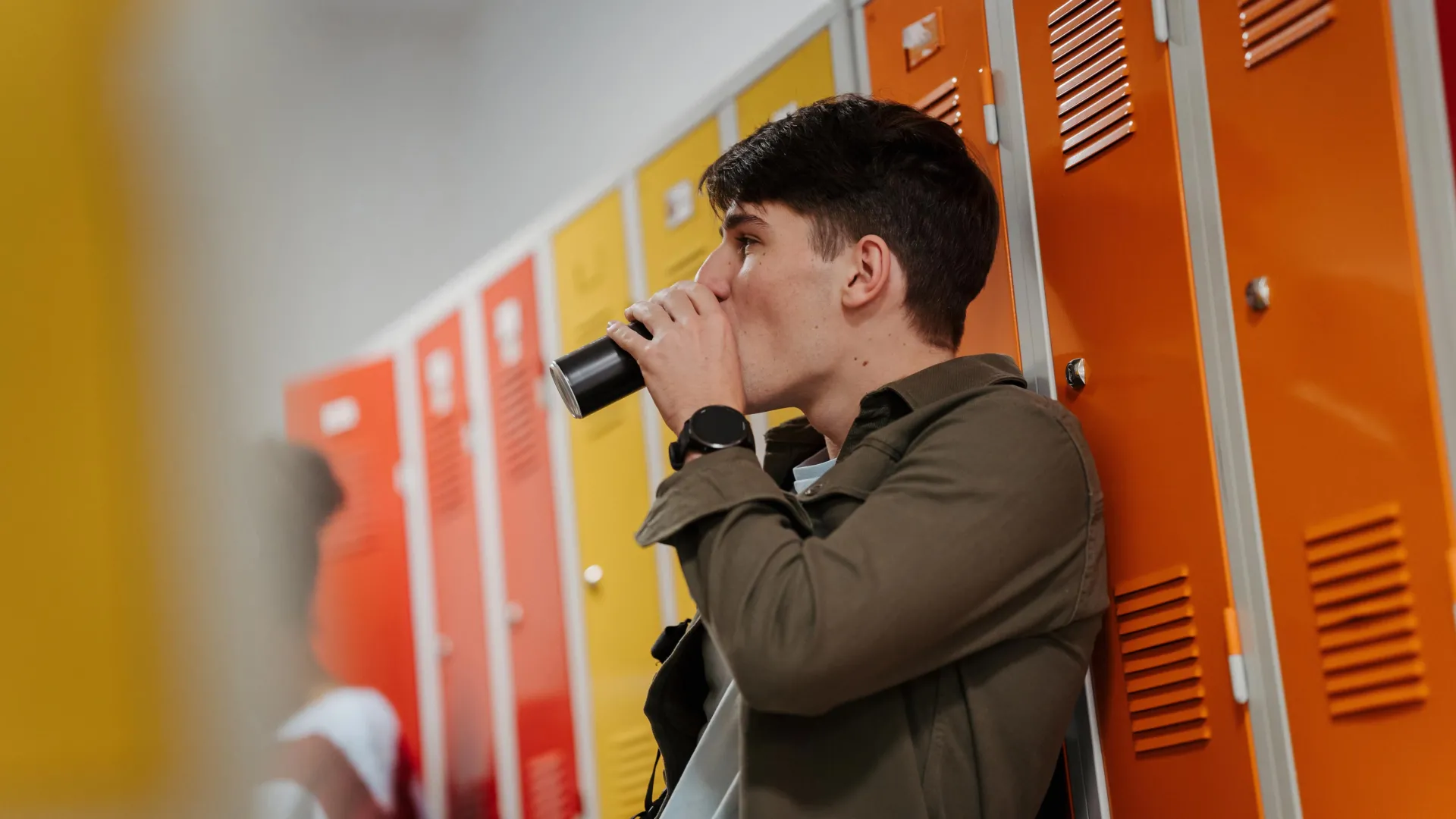
A comprehensive meta-analysis spearheaded by researchers at Bournemouth University, in collaboration with international colleagues, has illuminated a significant and consistent correlation between the habitual consumption of sugar-laden beverages and the prevalence of anxiety-related symptoms among adolescents. This extensive investigation, which meticulously synthesized findings from numerous prior research endeavors, sought to unearth discernible patterns in the intricate relationship between dietary habits and the mental well-being of young individuals. The consolidated insights from this scholarly undertaking were formally presented and published within the esteemed pages of the Journal of Human Nutrition and Dietetics.
In an era where adolescent nutrition is a focal point of public health discourse, much of the prevailing health and wellness initiatives have disproportionately zeroed in on the tangible, physical ramifications of suboptimal dietary practices. These often include well-documented issues such as the escalating rates of childhood obesity and the burgeoning incidence of type-2 diabetes, conditions with clear and measurable physiological impacts. However, as Dr. Chloe Casey, a Lecturer in Nutrition and a contributing author to the present study, articulated, the psychological and emotional dimensions of diet have remained comparatively less explored. This oversight is particularly notable when considering the dietary landscape frequented by young people, which frequently features beverages characterized by a high caloric density but a lamentable paucity of essential nutrients.
The pervasive and often debilitating nature of anxiety disorders among the youth population cannot be overstated; these conditions represent one of the most significant mental health challenges confronting this demographic. Indicative of this trend, a recent estimate from 2023 suggested that approximately one in every five children and adolescents globally were contending with some form of mental health disorder, with anxiety emerging as one of the most frequently reported afflictions within this broad category. This backdrop underscores the critical importance of identifying modifiable lifestyle factors that could potentially influence such concerning mental health trajectories.
The methodology underpinning the collective studies included in this pivotal review primarily relied on self-reported survey data. Participants were queried about both their intake of sugar-sweetened beverages and the presence and intensity of their mental health symptoms. The spectrum of beverages classified as "high in sugar" within this context is broad and encompasses a wide array of commonly consumed products. This includes, but is not limited to, effervescent carbonated soft drinks, potent energy drinks, fruit juices that have undergone significant sweetening processes, concentrated fruit squashes, sweetened varieties of tea and coffee, and flavored milk products.
A striking consistency permeated the findings across the diverse array of research projects that were incorporated into this comprehensive review. Regardless of the specific demographic or geographical location of the original studies, the aggregated data consistently indicated a discernible pattern: individuals who reported a higher frequency of consuming sugary beverages also tended to report a greater severity or incidence of anxiety symptoms. This persistent association, observed across multiple investigations, lends substantial weight to the notion that a connection exists.
Crucially, the researchers involved in this meta-analysis have been diligent in emphasizing a vital caveat: the presence of an association does not inherently equate to causation. Given that this review was fundamentally an aggregation of pre-existing research, it is inherently limited in its capacity to definitively establish a direct cause-and-effect relationship between the consumption of sugary drinks and the development or exacerbation of anxiety. The observed link could, in theory, be influenced by a multitude of other underlying factors.
For instance, it remains a distinct possibility that adolescents who are already predisposed to or actively experiencing anxiety may, for various reasons, gravitate towards consuming more sugary beverages. This could be a form of self-soothing, a coping mechanism, or even a consequence of altered appetite regulation. Alternatively, a shared set of environmental or biological influences might be at play, simultaneously contributing to both increased sugar intake and the manifestation of anxiety symptoms. Such common contributing factors could encompass complex family dynamics, socioeconomic stressors, disruptions in sleep patterns, or even genetic predispositions.
Despite the inability to definitively pinpoint direct causality at this juncture, Dr. Casey reiterated the study’s significant contribution in identifying a "unhealthy connection" between the ingestion of sugary drinks and the incidence of anxiety disorders among young people. This identified link serves as a critical signal for further investigation and potential intervention.
The escalating rates of adolescent anxiety disorders in recent years present a pressing public health concern, demanding proactive identification of actionable lifestyle modifications that could potentially mitigate this concerning trend. The findings of this study offer a compelling starting point, suggesting that dietary choices, specifically concerning the reduction of sugary beverage intake, may represent one such avenue for intervention. By understanding and potentially altering these habits, there is a hope of contributing to a healthier future for young people’s mental well-being.
The intellectual leadership for this significant research undertaking was primarily provided by Dr. Karim Khaled, a former PhD student at Bournemouth University, who has since transitioned to a position at the Lebanese American University in Beirut. His dedicated work in synthesizing and analyzing this complex body of evidence has been instrumental in bringing these important findings to the forefront of nutritional and mental health research.
About the Author