Unveiling a Molecular Regulator: New Study Links Kidney Protein Deficiency to Accelerated Vascular Aging and Reduced Lifespan
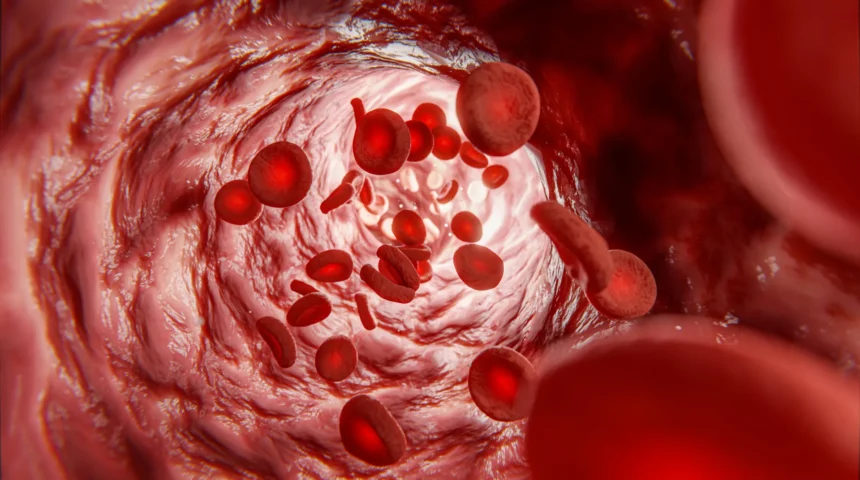
The natural process of aging is accompanied by a gradual loss of suppleness in the circulatory system, a phenomenon that can be exacerbated by various pathological conditions. This increasing rigidity of blood vessels elevates the risk of developing cardiovascular ailments and can ultimately contribute to a diminished lifespan. While several factors are implicated in this deterioration, groundbreaking research from the University of Colorado Anschutz School of Medicine has pinpointed a crucial kidney protein whose scarcity may accelerate this vascular decline, particularly impacting individuals grappling with chronic kidney disease (CKD).
Phosphorus, a fundamental mineral vital for skeletal integrity and numerous physiological functions, is readily available in a diverse array of natural foodstuffs, including lean meats, poultry, fish, whole grains, nuts, legumes, and dairy products, where it predominantly exists in organic phosphate forms. Moreover, the food industry frequently incorporates phosphate additives into processed foods and beverages, enhancing palatability and extending product longevity. While indispensable for overall well-being, an overabundance of phosphate circulating in the bloodstream, a condition termed hyperphosphatemia, can initiate a cascade of detrimental biological alterations. Notably, the phosphate compounds added during food processing are absorbed by the body with greater efficiency and rapidity compared to their naturally occurring counterparts in whole foods, raising particular concerns about their impact.
The consequences of persistently elevated phosphate levels are profound, prompting smooth muscle cells residing within the arterial walls to adopt characteristics akin to osteoblasts, the cells responsible for bone formation. This aberrant cellular behavior leads to the deposition of calcium phosphate crystals, structurally similar to those found in bone tissue, thereby inducing a hardening or calcification of the blood vessels. Healthy arteries are designed to be elastic, capable of expanding and contracting to accommodate fluctuating blood flow requirements. This calcification process fundamentally compromises this essential flexibility, effectively hastening the aging of the vascular system and potentially contributing to a spectrum of age-related health complications throughout the body.
Under typical physiological conditions, the kidneys serve as the primary mechanism for expelling surplus phosphate from the blood before it can reach hazardous concentrations. However, as chronic kidney disease progresses, the kidneys’ capacity to filter waste products, including excess phosphate, diminishes progressively. Maintaining a delicate equilibrium of phosphate necessitates constant regulatory adjustments. Following filtration by the kidneys, a portion of the phosphate is excreted in the urine, while the remainder is reabsorbed back into circulation. A specific protein, identified as NPT2A, is instrumental in this reabsorption process, recapturing approximately 75% of filtered phosphate to prevent excessive phosphorus depletion.
The latest scientific inquiry, published in October 2026, has illuminated the critical role of a previously lesser-understood kidney protein, designated TMEM174, in modulating this reabsorption mechanism. Researchers observed that a deficit in TMEM174 led to significantly accelerated blood vessel stiffening and a reduction in lifespan within experimental animal models, effects that were particularly pronounced when these animals were subjected to a high-phosphate diet. Conversely, a reduction in dietary phosphate intake helped to mitigate some of the observed damage.
This newly identified protein, TMEM174, functions as an endogenous inhibitory agent, effectively acting as a brake on the phosphate reabsorption process mediated by NPT2A. By interacting with NPT2A, TMEM174 limits the quantity of phosphate that is returned to the bloodstream. Consequently, a deficiency in TMEM174 disrupts this finely tuned homeostatic balance, leading to an accumulation of phosphate. "We don’t fully understand how yet, but somehow TMEM174 is destabilizing NPT2A," explained Makoto Miyazaki, PhD, a research professor in the Division of Renal Diseases and Hypertension and the senior author of the study. "And without enough TMEM174, homeostasis is disrupted."
The experimental findings underscore the profound importance of TMEM174 in maintaining healthy phosphate concentrations. Animals genetically engineered to lack this protein exhibited significant challenges in regulating their blood phosphate levels, experienced heightened vascular calcification, and displayed markedly shortened lifespans. While the precise mechanisms are still under investigation, the research suggests that a deficiency in TMEM174 may arise primarily from genetic predispositions rather than being a direct consequence of CKD itself. Nevertheless, individuals with CKD who also possess insufficient levels of TMEM174 appear to be disproportionately vulnerable to the deleterious effects of elevated phosphate.
This discovery holds substantial promise for the development of novel therapeutic interventions aimed at preserving vascular health. The identified role of TMEM174 presents a potential new molecular target for pharmaceutical development, focusing on strategies to reduce the amount of excess phosphate that the kidneys reintroduce into circulation. While dietary modifications, particularly by limiting the consumption of processed foods, fast food, deli meats, and sugary beverages laden with phosphate additives, can offer some benefit, managing phosphate levels solely through diet can be exceedingly challenging, especially for individuals with CKD. The ubiquitous presence of phosphate in a vast spectrum of foods makes complete avoidance practically impossible.
Dr. Miyazaki articulated his hope that these findings will pave the way for treatments that can effectively curb the renal reabsorption of excess phosphate. Future research endeavors are slated to delve deeper into the intricate functions of these kidney proteins and the hormonal pathways involved in regulating the body’s chemical equilibrium. A critical area of focus will also be to elucidate the underlying reasons for the widespread calcium deposition observed in the blood vessels of CKD patients.
For the present, the characterization of TMEM174’s role represents a significant advancement in our comprehension of phosphate regulation within the human body. This knowledge is poised to lay the foundational groundwork for innovative approaches to enhancing the well-being of individuals experiencing disrupted phosphate balance. "Scientists have been studying phosphate homeostasis for over 100 years, so to still find a new protein that regulates phosphate is kind of unique," commented Dr. Miyazaki, highlighting the significance of this novel finding in a long-standing field of study. This research not only deepens our understanding of vascular aging but also opens avenues for targeted therapies that could potentially improve longevity and quality of life for a significant patient population.

Related News