Pharmaceutical Persistence: Common Medications Induce Enduring Changes in the Gut Microbiota
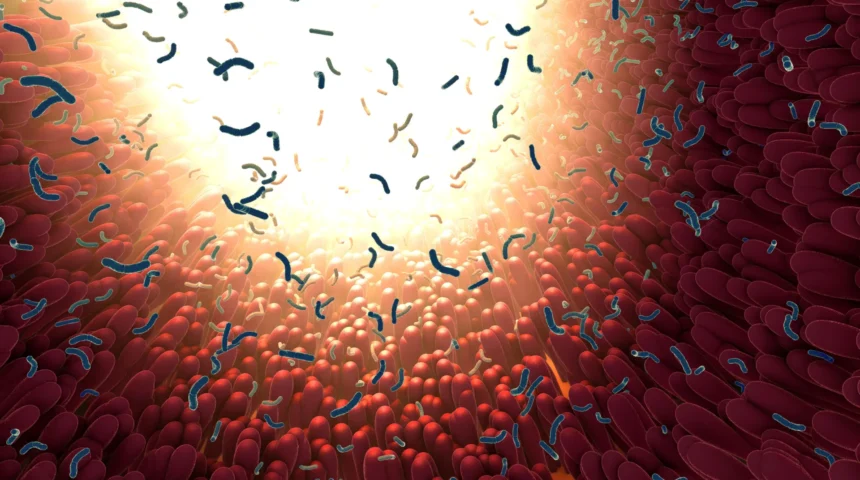
A groundbreaking investigation has shed new light on the intricate relationship between commonly prescribed medications and the vast microbial communities residing within the human gut, revealing that the influence of certain drugs can linger for years, long after their use has ceased. This extensive study, spearheaded by researchers at the University of Tartu Institute of Genomics, challenges conventional understanding by demonstrating that the legacy of pharmaceutical interventions extends far beyond antibiotics, leaving detectable "fingerprints" on our internal ecosystems. The findings underscore the critical importance of considering an individual’s complete medication history when assessing their gut health and interpreting microbiome data.
The human gut microbiome, a complex and dynamic ecosystem comprising trillions of bacteria, viruses, fungi, and other microorganisms, plays an indispensable role in maintaining overall health. These microscopic inhabitants are crucial for a myriad of bodily functions, including aiding in digestion and nutrient absorption, synthesizing essential vitamins, metabolizing drugs, and training and modulating the immune system. A balanced and diverse microbiome is often associated with robust health, while disruptions, or dysbiosis, have been linked to a wide array of conditions, ranging from inflammatory bowel disease and metabolic disorders to neurological and mental health issues. While the profound impact of antibiotics on gut bacteria is well-documented and widely acknowledged, this latest research uncovers a much broader spectrum of pharmaceutical agents capable of instigating lasting alterations.
To unravel these complex connections, the research team meticulously analyzed an unprecedented volume of data from over 2,500 participants enrolled in the Estonian Biobank’s Estonian Microbiome cohort. This large-scale population study provided an invaluable resource, linking detailed, long-term prescription histories with comprehensive microbiome profiles derived from stool samples. The methodology allowed investigators to correlate specific medication exposures, both current and historical, with observed variations in the composition and diversity of the gut microbiota. The sheer scale and depth of the Estonian Biobank data enabled the identification of subtle, yet significant, microbial shifts that might have been overlooked in smaller-scale investigations.
The study’s revelations were far-reaching, extending beyond the anticipated effects of antimicrobial agents. A substantial proportion of the non-antibiotic medications scrutinized were found to be associated with distinct changes in gut bacterial communities. Even more remarkably, the researchers discovered that a considerable number of these drugs left identifiable microbial signatures that persisted for years after patients had discontinued their use. This persistence highlights a previously underappreciated aspect of drug-microbiome interactions, suggesting that our pharmaceutical past continues to shape our internal microbial landscape.
Among the various drug classes investigated, several stood out for their significant and enduring effects. Proton pump inhibitors (PPIs), commonly prescribed to reduce stomach acid for conditions like gastroesophageal reflux disease (GERD) and peptic ulcers, were among those exhibiting a lasting impact. PPIs work by irreversibly blocking the proton pumps responsible for acid production in the stomach. While highly effective at reducing acidity, this alteration of the gastrointestinal environment can profoundly influence which microbes survive passage to the intestines and thrive within the gut, potentially leading to shifts in microbial composition. The study indicated that these alterations were not transient but could persist long-term.
Antidepressants, particularly selective serotonin reuptake inhibitors (SSRIs), which are widely used to manage depression, anxiety disorders, and other mental health conditions, also demonstrated a sustained influence on the gut microbiome. While their primary action targets neurotransmitter systems in the brain, accumulating evidence suggests that SSRIs can also interact directly with gut bacteria or indirectly affect the gut environment, potentially altering motility or nutrient availability for certain microbial species. Given the increasing understanding of the gut-brain axis – the bidirectional communication pathway between the digestive system and the central nervous system – the long-term microbial changes induced by antidepressants present a fascinating area for future exploration into the interplay between mood, medication, and microbiota.
Beta-blockers, a class of drugs frequently prescribed for hypertension, various heart conditions, and even anxiety, were another category found to leave a prolonged imprint on gut microbial communities. These medications primarily function by blocking adrenaline and noradrenaline receptors, thereby slowing heart rate and reducing blood pressure. The mechanisms by which beta-blockers might exert a lasting effect on the gut microbiome are less immediately apparent but could involve indirect influences on gut motility, inflammation, or even direct interactions with certain bacterial species.
Perhaps one of the most striking discoveries involved benzodiazepines, a class of psychoactive drugs used for their sedative, anxiolytic, muscle relaxant, and anticonvulsant properties. The research indicated that the alterations observed in the gut microbiome following benzodiazepine use were comparable in magnitude to those typically seen after treatment with broad-spectrum antibiotics. This finding is particularly noteworthy because broad-spectrum antibiotics are known for their profound and often disruptive effects on microbial diversity, indiscriminately targeting a wide range of bacteria. The revelation that anxiety medications could induce such significant and persistent changes underscores the powerful and often unexpected ways non-antibiotic drugs can shape our internal microbial landscape. Furthermore, the study highlighted nuances within drug classes, noting that specific benzodiazepines like diazepam and alprazolam, despite serving similar therapeutic purposes, appeared to differ in the extent of their microbial disruption. This suggests that the impact on the microbiome may be highly specific, depending not just on the drug class but on the individual chemical compound.
To strengthen the evidence for a causal link between medication use and microbial changes, rather than mere association, the researchers conducted a crucial follow-up analysis on a smaller subset of participants. By collecting additional stool samples and observing how the microbiome evolved when individuals either initiated or discontinued certain medications, the team was able to identify predictable shifts in gut bacterial populations. These longitudinal observations provided more direct evidence, indicating that the drugs themselves were indeed driving these microbial alterations. This crucial step moved the findings beyond correlational data, reinforcing the idea that medications actively contribute to, and not merely coincide with, differences in gut microbial composition. This follow-up analysis successfully confirmed lasting effects associated with several drug categories, including PPIs, SSRIs, and specific antibiotics such as penicillin and macrolide combinations.
The implications of these findings are substantial for both clinical practice and future scientific research. For clinicians, the study emphasizes the need for a holistic view of patient health, where a comprehensive medication history, extending years into the past, becomes an indispensable tool. As Dr. Oliver Aasmets, lead author of the study, noted, "Most microbiome studies only consider current medications, but our results show that past drug use can be just as important as it is a surprisingly strong factor in explaining individual microbiome differences." This perspective suggests that variations in an individual’s gut microbiome might reflect not only their current health status, diet, and lifestyle but also the cumulative impact of past pharmaceutical exposures. Integrating this historical data could lead to more personalized approaches to medicine, where treatment strategies are tailored to an individual’s unique microbial profile and drug history.
For researchers investigating the complex interplay between the gut microbiome and various diseases, these results present a significant consideration. If previous medications are not adequately accounted for, scientists could inadvertently misattribute certain microbial differences to a specific disease, dietary factor, or genetic predisposition, when in reality, historical drug exposure may have played a contributing role. This potential confounding factor highlights a methodological challenge that necessitates a re-evaluation of how microbiome studies are designed and interpreted. Professor Elin Org, the corresponding author, emphasized this point, stating, "This is a comprehensive systematic evaluation of long-term medication effects on the microbiome using real-world medical health records. We hope this encourages researchers and clinicians to factor in medication history when interpreting microbiome data."
It is important to underscore that while the study definitively identified persistent microbial changes, these findings do not, at this stage, establish that such alterations are inherently harmful or that they directly lead to specific health problems. The functional consequences of these long-term microbial "fingerprints" remain largely unknown. Further research is essential to elucidate whether these enduring changes are beneficial, neutral, or detrimental to host health. Future investigations will need to explore the precise mechanisms by which these non-antibiotic drugs exert their long-lasting effects on gut microbiota and, crucially, to determine the clinical relevance of these sustained alterations. This burgeoning field, often termed pharmacomicrobiomics, seeks to understand how drugs interact with the microbiome and how the microbiome, in turn, influences drug metabolism and efficacy.
In conclusion, this landmark study from the University of Tartu provides compelling evidence that the influence of common medications on the gut microbiome is far more pervasive and persistent than previously understood. By meticulously linking extensive historical prescription data with detailed microbiome profiles, researchers have unveiled a hidden layer of complexity in our relationship with pharmaceuticals. The revelation that drugs beyond antibiotics can leave enduring microbial imprints for years calls for a paradigm shift in how we approach gut health research and clinical practice. It challenges us to consider an individual’s complete pharmaceutical journey as a critical determinant of their internal microbial ecosystem, opening new avenues for understanding health, disease, and the profound, lasting legacy of medication.
Related posts:

Related News