
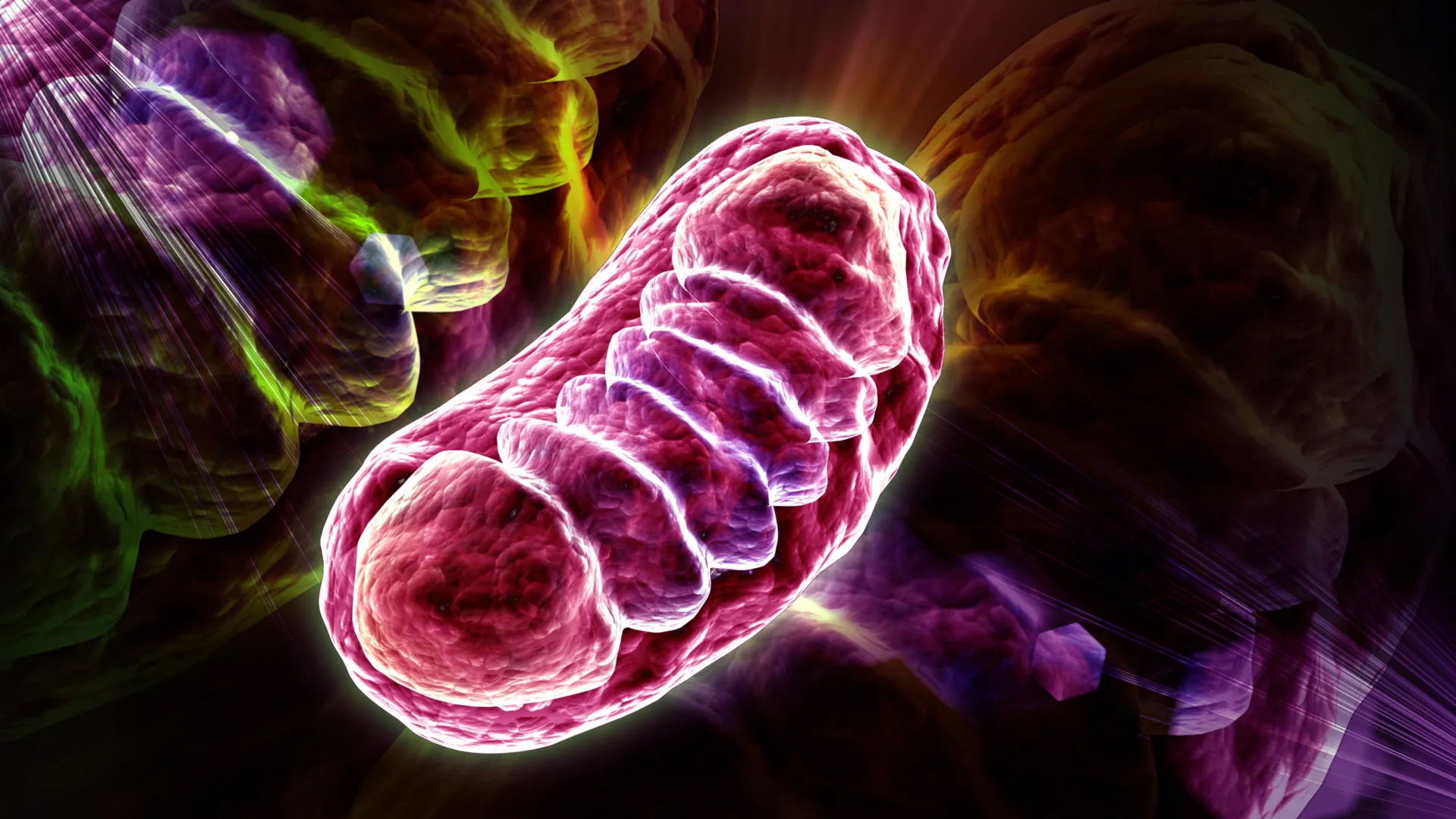
The intricate machinery within every living cell relies heavily on a constant supply of energy, a demand primarily met by specialized organelles known as mitochondria. Often described as the cell’s vital metabolic engines, these cellular components are responsible for generating adenosine triphosphate (ATP), the universal energy currency that fuels virtually all biological processes, from muscle contraction and nerve impulses to tissue repair and cellular growth. Crucially, mitochondria do not operate at a fixed output; their activity is dynamically regulated, constantly adjusting to the cell’s fluctuating energy requirements and the availability of specific macronutrients. While the general influence of diet on cellular metabolism has long been acknowledged, the precise molecular pathways through which individual nutrients communicate with and modulate mitochondrial function have remained a significant area of scientific inquiry.
A recent breakthrough from a research team at the University of Cologne’s Institute for Genetics and the CECAD Cluster of Excellence on Aging Research has shed new light on this fundamental biological question. Led by Professor Dr. Thorsten Hoppe, and with Dr. Qiaochu Li as the study’s first author, the researchers have uncovered a previously unknown mechanism involving the essential amino acid leucine. Their compelling findings indicate that leucine plays a far more nuanced role than merely serving as a protein building block; it actively participates in maintaining the structural integrity of critical mitochondrial proteins, thereby enhancing the organelles’ capacity for efficient energy generation. This groundbreaking work, which illuminates a novel aspect of nutrient-cell signaling, has been rigorously peer-reviewed and published in the prestigious journal Nature Cell Biology, under the title "Leucine inhibits degradation of outer mitochondrial membrane proteins to adapt mitochondrial respiration."
Leucine holds a prominent position among the essential amino acids, a group of nine compounds that the human body cannot synthesize in sufficient quantities on its own and must, therefore, be obtained through dietary sources. As fundamental constituents of proteins, amino acids are indispensable for myriad physiological functions. Leucine, in particular, is widely recognized for its pivotal role in protein synthesis, especially within muscle tissue, and is abundant in protein-rich foods such as dairy products, various meats, legumes like beans and lentils, and certain nuts. Its traditional association with muscle development and repair has long underscored its importance in nutrition and exercise physiology. However, the Cologne team’s investigation reveals a novel dimension to leucine’s biological activity, demonstrating its direct involvement in the maintenance of mitochondrial efficacy, extending its influence well beyond its conventional function in constructing proteins.
The core of the discovery lies in leucine’s ability to protect specific proteins situated on the exterior surface of mitochondria from degradation. These outer mitochondrial membrane proteins are not merely structural components; they are integral to cellular metabolism, serving as critical conduits and transporters. Their primary function involves facilitating the movement of various molecules, including substrates for energy production, into the mitochondrial interior, where they are integrated into the complex biochemical pathways that ultimately yield ATP. By preserving these crucial proteins, leucine ensures that the mitochondrial import machinery remains robust and fully functional. This protective action directly translates into enhanced mitochondrial performance, allowing the organelles to process metabolic precursors more effectively and, consequently, to elevate the overall cellular energy output. This mechanism provides a direct molecular link between nutrient availability and the adaptive capacity of cellular energy systems.
Delving deeper into the molecular cascade, the research team meticulously traced this protective effect to its interaction with a protein named SEL1L. SEL1L is a key player in the intricate process of cellular quality control, a vital system that constantly monitors and maintains the health of the proteome – the entire set of proteins expressed by a cell. Cells are under constant threat from damaged, misfolded, or otherwise aberrant proteins, which can severely compromise normal cellular operations if allowed to accumulate. SEL1L’s primary function involves identifying these compromised proteins and directing them towards the proteasome, the cell’s major degradation machinery, for removal. The Cologne study revealed that the presence of sufficient leucine appears to modulate, specifically reduce, the activity of SEL1L. This reduction in SEL1L-mediated protein degradation means that fewer of the essential outer mitochondrial membrane proteins are targeted for breakdown. As a result, a larger pool of these functional proteins remains available, bolstering mitochondrial structural integrity and sustaining optimal energy production capacity.
While the prospect of boosting cellular energy production through leucine modulation appears promising, the researchers, particularly Dr. Li, emphasize the critical need for caution. The cellular machinery, especially its quality control systems, operates within a finely tuned equilibrium. SEL1L, despite being implicated in the degradation of mitochondrial proteins in this context, plays an indispensable role in preventing the accumulation of truly damaged or misfolded proteins throughout the cell. Disrupting this delicate balance, even with the intention of enhancing energy output, could have profound and potentially detrimental long-term consequences for cellular health. Unchecked protein accumulation can lead to cellular stress, dysfunction, and contribute to various pathologies, including neurodegenerative diseases. Therefore, any potential therapeutic strategies targeting this pathway would require meticulous investigation to ensure that the benefits of increased energy production are not outweighed by unintended side effects related to compromised protein quality control.
To further explore the wider biological ramifications of leucine metabolism, the scientific investigation extended beyond isolated cellular systems. The team utilized Caenorhabditis elegans, a tiny roundworm extensively employed as a model organism in biological research due to its relatively simple genetics, transparent body, and conserved cellular processes that often parallel those found in more complex organisms, including humans. In these worms, disruptions in the normal breakdown pathways of leucine were observed to profoundly impair mitochondrial function, directly correlating with significant issues in reproductive capability. This finding highlights the fundamental and conserved nature of leucine’s role in supporting robust mitochondrial activity across diverse species. Furthermore, the study ventured into the realm of human pathology, examining human lung cancer cells. Here, the researchers discovered that specific genetic mutations affecting leucine metabolism could paradoxically confer a survival advantage to these malignant cells. This observation holds significant implications for future cancer research, suggesting that therapeutic interventions designed to alter leucine-related metabolic pathways could differentially impact healthy cells versus tumor cells, presenting both opportunities and challenges in the development of targeted cancer therapies.
This comprehensive research significantly contributes to a growing body of evidence that challenges the conventional view of nutrients solely as raw materials or sources of caloric energy. Instead, it firmly establishes that nutrients, in this instance leucine, function as sophisticated signaling molecules capable of directly influencing and fine-tuning fundamental cellular processes. The discovery that leucine helps cells dynamically adjust their energy production in response to nutrient availability by safeguarding key mitochondrial proteins from premature degradation represents a pivotal advancement in our understanding of cell biology and nutritional science. By unveiling this previously unrecognized molecular nexus connecting an essential amino acid, cellular protein quality control mechanisms, and mitochondrial metabolism, the University of Cologne team has identified novel potential targets for therapeutic intervention in a range of diseases characterized by disrupted cellular energy production, including various metabolic disorders, neurodegenerative conditions, and specific types of cancer. This foundational work opens new avenues for exploring how dietary components can be leveraged to modulate cellular health and disease progression.
The extensive research described herein received substantial financial backing from Germany’s Excellence Strategy, particularly through the CECAD Cluster of Excellence on Aging Research, alongside critical support from several Collaborative Research Centres funded by the German Research Foundation (DFG). Additional significant contributions were provided by the European Research Council, specifically through the ERC Advanced Grant "Cellular Strategies of Protein Quality Control-Degradation" (CellularPQCD), and the esteemed Alexander von Humboldt Foundation, underscoring the international collaborative nature and high scientific merit of this important investigation.
About the Author









