
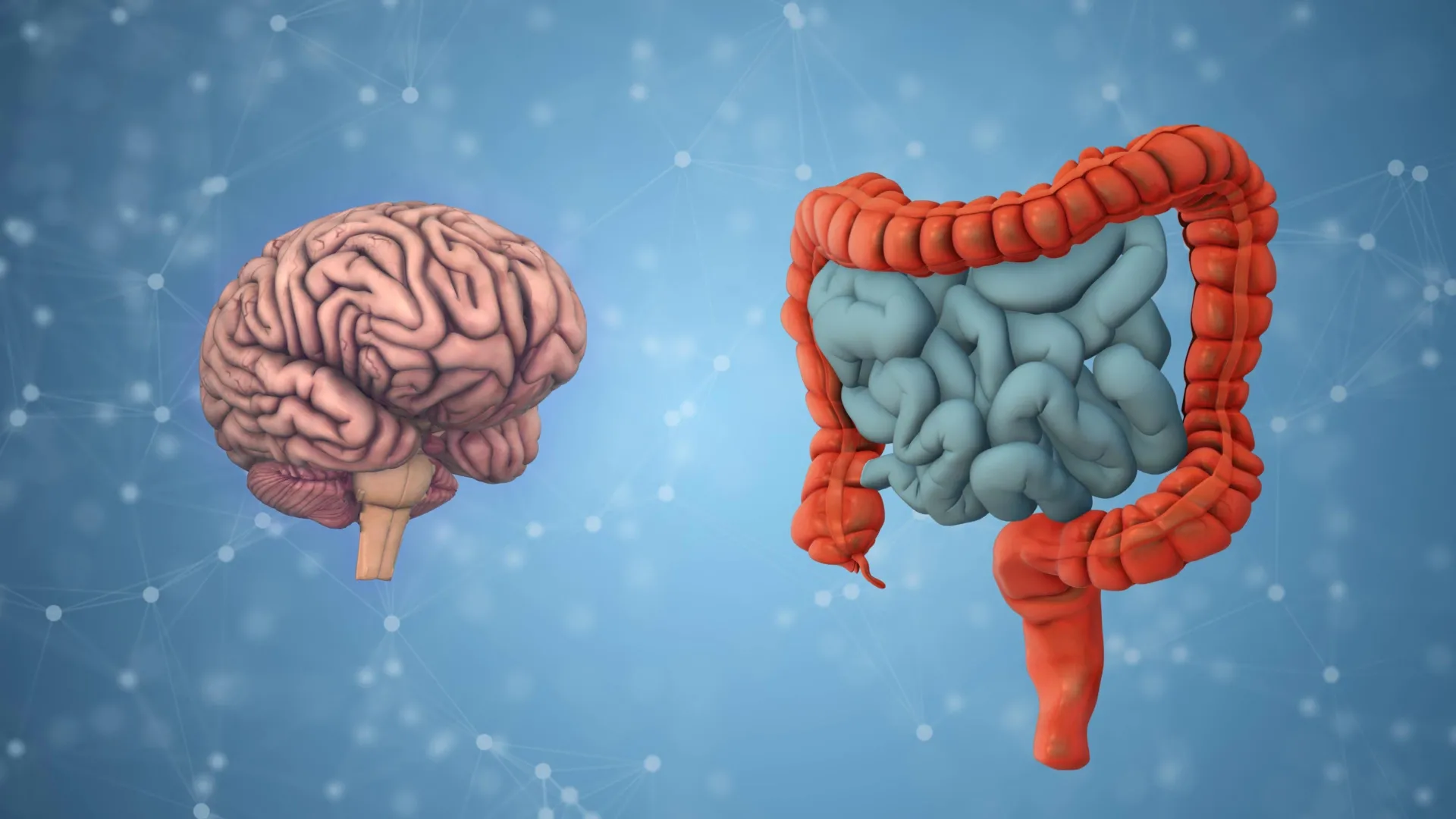
The quest to understand and mitigate the mechanisms of cognitive decline, a pervasive concern in an aging global population, has long centered on the brain itself. However, emerging scientific consensus increasingly points to a complex interplay of systemic factors influencing neural health. A groundbreaking investigation conducted by researchers at UCLA Health has cast a new light on this intricate relationship, proposing a significant connection between the composition of an individual’s gut microbiota and the observable biological age of their brain. This pivotal study suggests that the subtle biological shifts indicative of accelerated brain aging may commence decades before the onset of any overt memory impairment or executive function difficulties, offering a novel perspective on early detection and potential intervention strategies.
For years, neuroimaging techniques have provided scientists with a powerful tool to assess what is termed "brain age" – a sophisticated estimate of an individual’s brain health derived from its structural or functional characteristics, which can diverge markedly from their chronological age. Prior research endeavors have consistently demonstrated that a brain appearing biologically older than anticipated for a person’s actual years often correlates with diminished cognitive performance, including poorer memory recall, reduced executive function, and even altered mood states. These earlier investigations, however, predominantly concentrated on elderly populations or individuals already grappling with diagnosed neurological conditions. This methodological focus left a crucial knowledge gap: whether an advanced biological brain age held similar implications for younger, ostensibly healthy adults, and if so, what underlying biological factors might contribute to such discrepancies.
To address this unanswered question, the UCLA Health team embarked on an ambitious study, the findings of which were recently unveiled in the esteemed journal eBioMedicine. The research involved a substantial cohort of nearly 1,500 adult participants, meticulously divided into three distinct groups to ensure robust statistical validation. The core of their methodology involved employing a specialized neuroimaging technique known as resting-state functional magnetic resonance imaging (fMRI). This advanced scanning approach meticulously maps the intrinsic communication pathways and connectivity patterns between various regions of the brain while an individual is in a state of wakeful rest. By analyzing these intricate neural communication signatures, the researchers developed a sophisticated computational model capable of estimating each participant’s biological brain age.
The next critical step involved comparing this estimated brain age against the participant’s actual chronological age. The resulting difference between these two values yielded a novel metric, which the researchers aptly termed the "Brain Aging Index" (BAI). A higher BAI indicated that an individual’s brain exhibited characteristics typical of an older brain, relative to their chronological age, while a lower BAI suggested a biologically younger brain.
Across all three independent study cohorts, a consistent and compelling pattern emerged: participants who exhibited a higher Brain Aging Index invariably demonstrated inferior performance on a battery of cognitive assessments. These tests specifically targeted crucial cognitive domains such as working memory and executive function. Working memory, essential for temporarily holding and manipulating information, and executive function, encompassing abilities like focused attention, planning, task organization, and self-regulation, are fundamental to daily cognitive operations. Beyond cognitive performance, individuals with an elevated BAI also reported a greater prevalence of depressive symptoms, underscoring a potential link between accelerated biological brain aging and mental well-being. The brain regions most frequently implicated in these observed patterns were those critically involved in memory formation and retrieval, as well as areas associated with self-referential thought – the intricate mental processes individuals engage in when reflecting on their own experiences and identity.
A particularly innovative aspect of this UCLA study involved delving into the potential influence of the gut microbiome. For one of the study groups, researchers meticulously collected and analyzed stool samples, seeking to ascertain whether variations in brain aging could be correlated with specific alterations in the gut’s microbial ecosystem. The findings proved remarkable. A higher Brain Aging Index was indeed significantly associated with distinct profiles of gut bacteria and, critically, with specific metabolic byproducts produced by these microbial communities. These identified metabolites included particular classes of fat molecules, a compound structurally related to cholesterol, and notably, lower circulating levels of a hormone known as estetrol.
The investigation further elucidated the potential biological pathways through which these gut-derived signals might exert their influence on brain aging. The identified pathways were broad-ranging and included intricate connections with the immune system, suggesting that gut dysbiosis could contribute to chronic low-grade inflammation, a known factor in neurodegeneration. Furthermore, the pathways implicated blood vessel function, highlighting the importance of robust cerebral circulation for maintaining brain health. Communication between brain cells, or synaptic function, also emerged as a critical pathway, indicating that gut metabolites might directly or indirectly modulate neuronal signaling. Finally, the processes cells utilize to generate energy, often referred to as cellular bioenergetics, were implicated, pointing to a potential impact on mitochondrial health and the brain’s metabolic efficiency.
Dr. Arpana Church, a senior author of the study and co-director of the Goodman-Luskin Microbiome Center at UCLA Health, emphasized the profound implications of these discoveries. "Brain aging is not a phenomenon that abruptly commences in our later years; rather, its biological precursors can be discerned many decades earlier," Dr. Church articulated. "By meticulously linking these nascent brain changes with the intricacies of the gut microbiome and its diverse array of metabolites, we are beginning to unravel the precise biological pathways that could ultimately enable us to identify individuals at elevated risk and, crucially, pinpoint potential avenues for intervention to foster healthier brain aging trajectories. This research fundamentally paves the way for future explorations into whether targeted interventions aimed at optimizing gut health could, in time, offer a potent strategy for preserving cognitive vitality."
The findings carry significant weight for the future of preventative medicine and personalized healthcare. They suggest that it may be possible for researchers to identify individuals at a heightened predisposition for cognitive or mood-related decline much earlier in life than previously thought. This early identification creates a critical window of opportunity for proactive measures. Moreover, the study profoundly raises the intriguing possibility that the gut, a dynamic and accessible biological system, could become a primary target for innovative therapeutic strategies designed to support brain health and prevent neurocognitive deterioration across the lifespan. Such interventions might range from dietary modifications and specific probiotic or prebiotic regimens to more advanced microbiome-modulating therapies, all aimed at fostering a gut environment conducive to optimal brain function.
In conclusion, the UCLA Health study represents a substantial leap forward in our understanding of the multifaceted nature of brain aging. By meticulously mapping the connections between the gut microbiome, its metabolic outputs, and the biological age of the brain in a broad cohort of adults, including younger, healthy individuals, the research provides compelling evidence that the foundations of cognitive health are laid much earlier than commonly perceived. This paradigm shift from viewing brain aging as an inevitable, late-life process to a dynamic, potentially modifiable trajectory influenced by systemic factors like the gut microbiome offers immense hope for developing precision medicine approaches to safeguard cognitive vitality for generations to come.
About the Author









